




Massachusetts DOER Grants Fund Hybrid and Alt-Fuel Vehicle Purchases
BOSTON – Massachusetts has awarded $3.6M in grants to the State’s 18 newly selected “Green Communities.” Part of these funds will go to alt-fuel vehicle and "green" vehicle technology purchases.
BOSTON – The Patrick-Murray administration in Massachusetts has awarded $3.6M in grants to the State’s 18 newly selected “Green Communities,” which earned this designation last December. This grant money, which is awarded by the State’s Department of Energy Resources (DOER), will pay for a range of projects, including the purchase of hybrid and alternative-fuel municipal vehicles.
In Hatfield, grant money will fund the purchase of an electric light-duty truck for use by multiple departments. The City of Marlborough plans to purchase a hybrid vehicle. And in Medway, the City plans to use grant money to install anti-idling devices on all town vehicles. There are now 53 official Green Communities in Massachusetts, including 35 cities and towns named in the DOER’s inaugural round of Green Communities designations last May.
DOER calculates Green Communities grants using a formula that caps awards at $1 million and provides each community with a $125,000 base grant plus additional amounts based on per capita income and population, and for municipalities that meet Green Communities Criterion 1 for energy generation.
"I applaud these 18 communities - and the 35 that came before them - for the critical role they are playing in creating a clean energy future for the Commonwealth," said Governor Deval Patrick. "Across the Commonwealth, cities and towns recognize the benefits, for the economy as well as the environment, of making clean energy choices."
According to DOER, its Green Communities Grant Program uses funding from auctions of carbon emissions permits under the Regional Greenhouse Gas Initiative to reward communities that win Green Communities designation by meeting five clean energy benchmarks:
Adopting local zoning bylaw or ordinance that allows "as-of-right siting" for renewable and/or alternative energy R & D facilities, manufacturing facilities or generation units;
Adopting an expedited permitting process related to the as-of-right facilities;
Establishing a municipal energy use baseline and a program to reduce use by 20 percent within five years;
Purchasing only fuel-efficient vehicles for municipal use, whenever such vehicles are commercially available and practicable; and
Requiring all new residential construction over 3,000 square feet and all new commercial and industrial real estate construction to reduce lifecycle energy costs (i.e., adoption of an energy-saving building "stretch code").
More Green Fleet
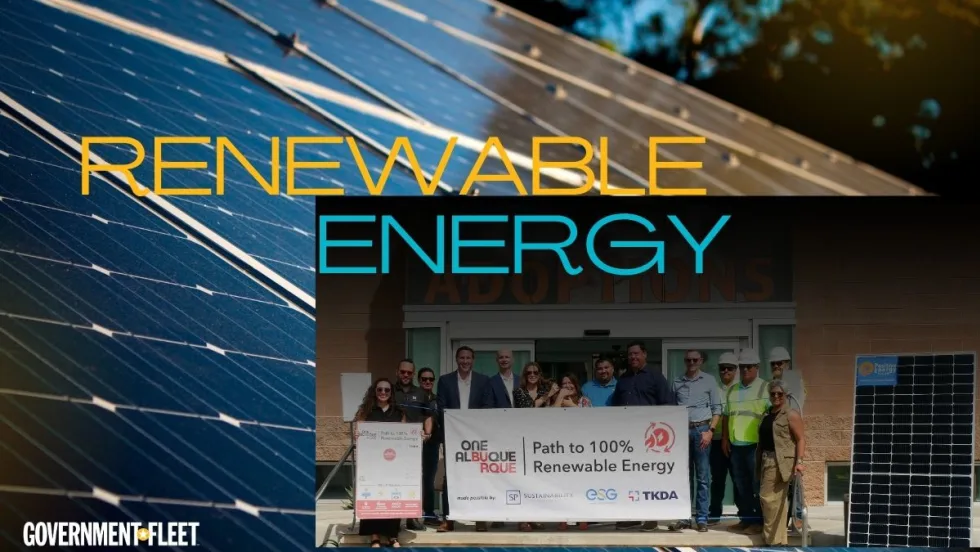
Sustainability Partners, Energy Systems Group Help Albuquerque Close the Gap on its 100% Renewable Energy Goal
The eight-site, 6 MW solar project has advanced the city toward 100% renewable energy for municipal operations.
Read More →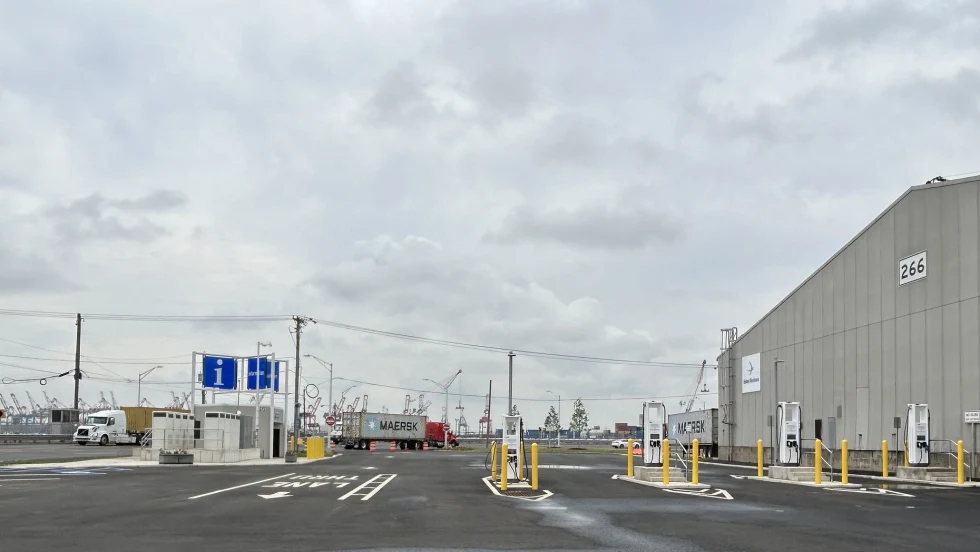
Port Authority and CALSTART Launch $45 Million Electric Truck and Charging Programs
The programs aim to boost sustainable operations across the East Coast's busiest seaport.
Read More →
Moving Government Fleets Beyond the Vehicle Purchase: EV as a Service
A discussion on how EVaaS is moving beyond pilot programs and what fleets should consider before beginning a larger deployment.
Read More →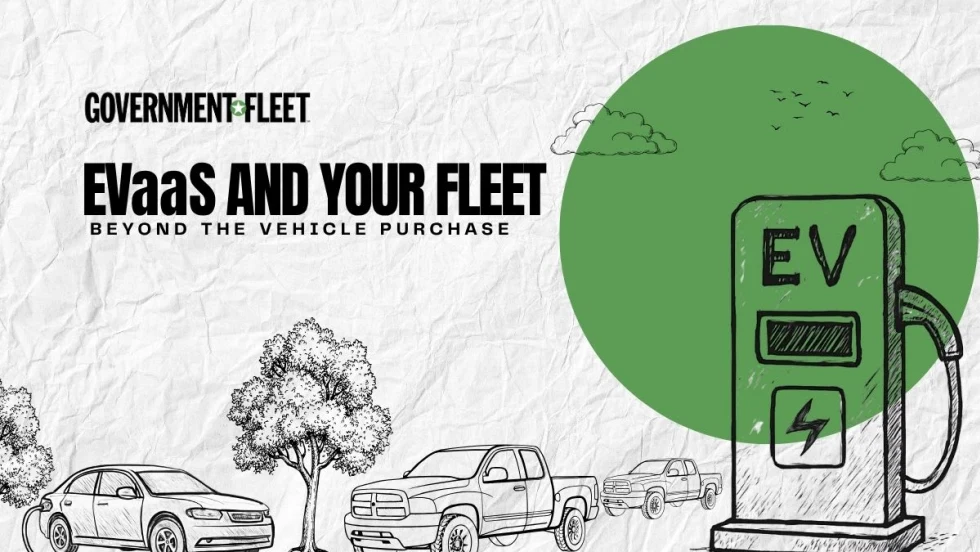
Moving Government Fleets Beyond the Vehicle Purchase: EV as a Service
As fleets move beyond small EV pilots, Sustainability Partners CEO Adam Cain explains how EVaaS can address the infrastructure and long-term planning required for larger deployments.
Read More →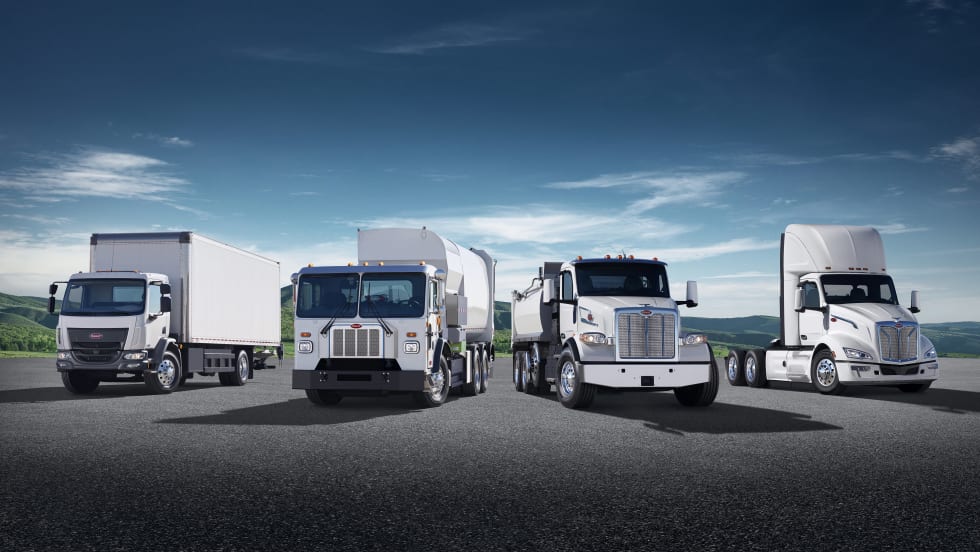
Peterbilt Expands Sourcewell Partnership with Electric Vehicle Lineup
The agreement aims to provide streamlined procurement of Peterbilt trucks for government, education, nonprofit and tribal organizations across the United States and Canada.
Read More →
EV Adoption & Charging Challenges
Where is your fleet in the journey of vehicle electrification? If you're still looking for answers to fleet electrification you've come to the right place.
Read More →
Hawaii Passes Clean Fuel Policy
Hawaii lawmakers passed clean fuel legislation that could support renewable natural gas production, biogas-powered transportation, and lower-carbon fueling options for public and commercial fleets.
Read More →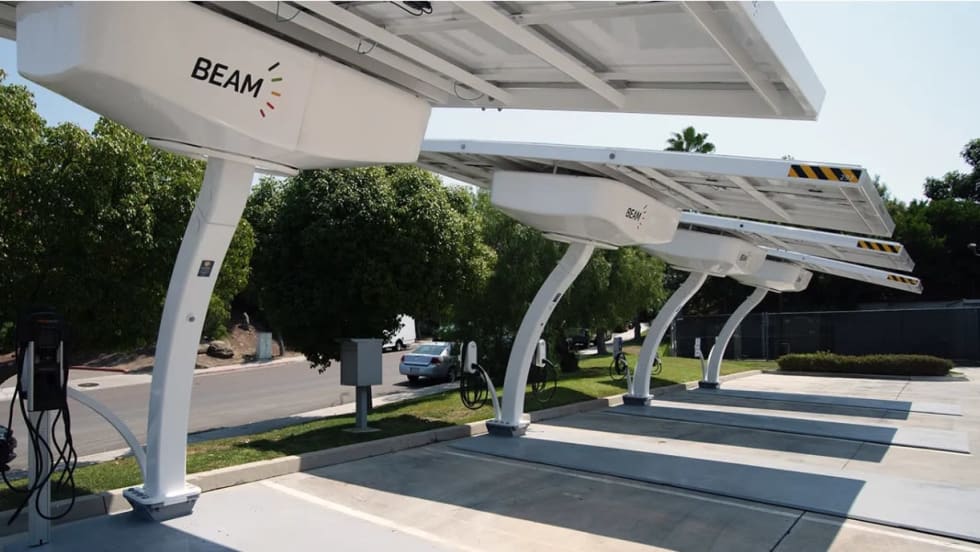
Stanislaus County Deploys Ten Beam Global EV ARC Systems to Support County Fleet Electrification
Stanislaus County deployed 10 off-grid solar-powered EV charging systems and a mobile charging trailer from Beam Global to support its electric fleet operations and emergency response flexibility.
Read More →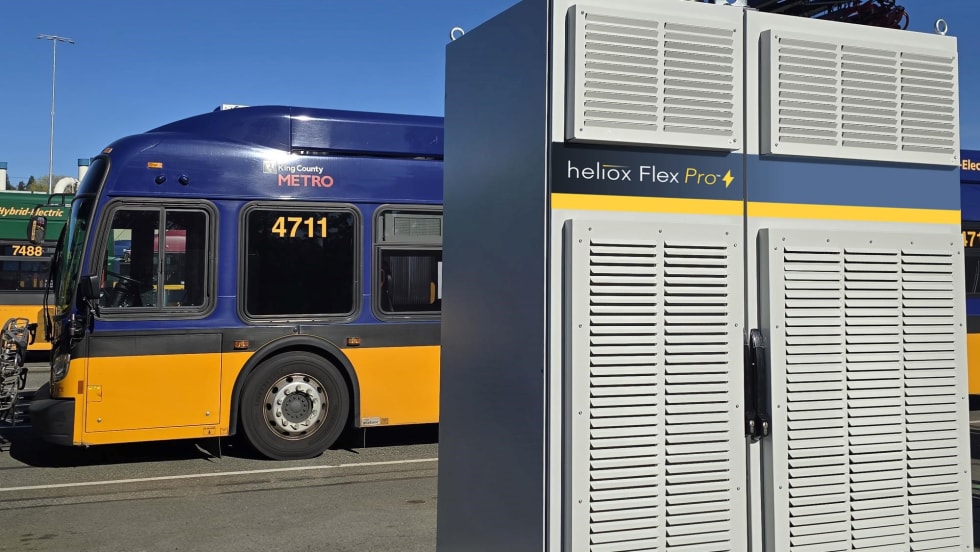
Heliox Pilots 480-kW Bus Charger with King County Metro
King County Metro is piloting Heliox’s new 480-kW Flex Pro charger to support expansion of its battery-electric bus fleet and depot charging infrastructure. The compact charging system supports pantograph and plug-in charging configurations for high-density transit operations.
Read More →