




Obama Predicts Electric Car Battery Prices Will Drop 70 Percent
HOLLAND, MI - The cost of the high-powered batteries needed for a coming wave of electric cars is projected to drop by as much as 70 percent over the next five years, according to a U.S. government forecast.
HOLLAND, MI - The cost of the high-powered batteries needed for a coming wave of electric cars is projected to drop by as much as 70 percent over the next five years, according to a U.S. government forecast.
The forecast was released as President Barack Obama attended a groundbreaking ceremony for a battery plant being built in Holland, Mich., by a U.S. unit of South Korea's LG Chem and funded by the U.S. Department of Energy, according toReuters.
The Obama administration has provided more than $5 billion in grants and low-cost loans to battery manufacturers and auto companies to support projects intended to spur the development and sale of rechargeable electric cars and plug-in hybrids.
But the high cost of the lithium-ion batteries to power those vehicles has been seen as one of the biggest barriers to their widespread adoption.
The U.S. government had never set a target for the kinds of cost reductions it expected to see in the fast-developing industry it is attempting to jump-start with taxpayer funding.
"Because of advances in the manufacture of these batteries, their costs are expected to come down by nearly 70 percent in the next few years. That's going to make electric and hybrid cars and trucks more affordable for more Americans," Obama told an audience of politicians, business leaders, and representatives of the 300 workers building the new plant.
The battery price declines projected by the Obama administration, which has set a target of putting 1 million plug-in hybrids on the road by 2015, run deeper and faster than most forecasts by outside analysts.
LG Chem Chief Executive Bahnsuk Kim said his company sees a 50 percent drop in battery prices by 2015, and he expected that would be enough to drive increased demand.
In the terms tracked by the emerging electric vehicle industry, the Department of Energy said it expected battery costs per kilowatt hour to drop from about $1,000 in 2009 to $300 in 2015 and $100 in 2030.
Major U.S. automakers have set a long-term target of reducing costs on that basis to near $250, a price that would be in line with the cost to produce batteries for laptops and cell phones.
The lithium-ion battery that powers Tesla Motors Inc's $109,000 Roadster cost more than $33,000, according to the Department of Energy report.
The smaller battery LG Chem is supplying for the upcoming Chevrolet Volt from General Motors [GM.UL] cost $13,000 last year but will drop to $4,000 by 2015, the report said.
Both GM and Tesla have received Energy Department funding.
LG Chem's Compact Power unit has won deals to supply batteries for the Chevy Volt and the upcoming all-electric version of the Ford Motor Co Focus.
It said that it had also been selected to supply batteries for hybrid systems which Eaton Corp is developing for commercial trucks and buses.
Compact Power's Holland plant will have the capacity to supply batteries for up to 250,000 electric vehicles once completed and will employ 400 workers, the company said.
LG Chem and the U.S. Department of Energy split the costs of building the $303 million plant. The Korean chemical and battery maker invested $151.5 million and $151.4 million came from a U.S. government grant.
White House economists estimate that the United States accounted for 2 percent of global production of batteries for electric cars and hybrids in 2009. That share is expected to rise to 40 percent of global production by 2015, according to Reuters.
More Green Fleet
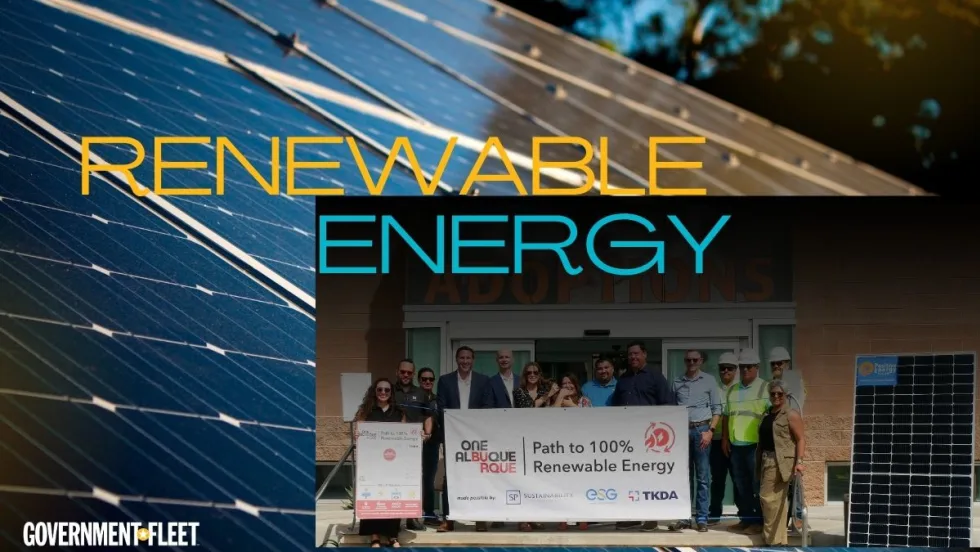
Sustainability Partners, Energy Systems Group Help Albuquerque Close the Gap on its 100% Renewable Energy Goal
The eight-site, 6 MW solar project has advanced the city toward 100% renewable energy for municipal operations.
Read More →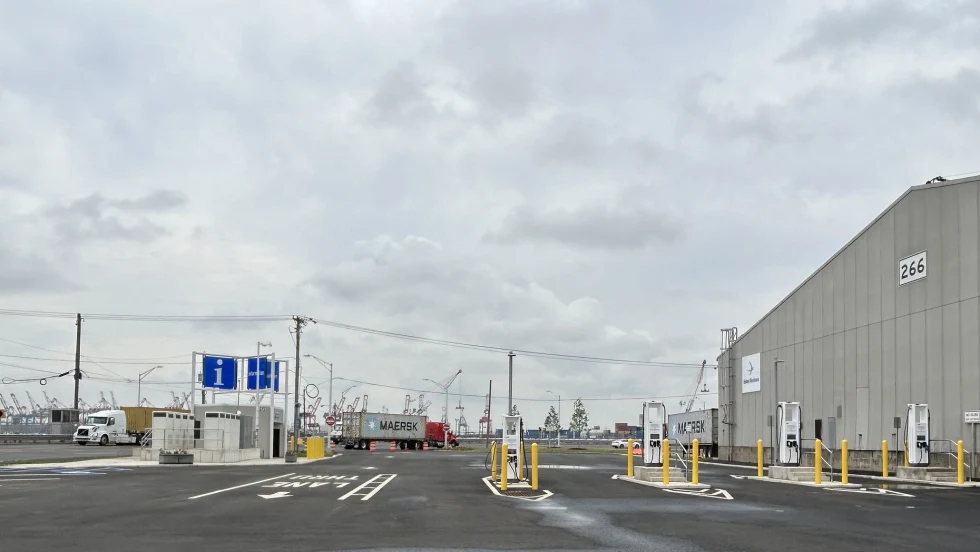
Port Authority and CALSTART Launch $45 Million Electric Truck and Charging Programs
The programs aim to boost sustainable operations across the East Coast's busiest seaport.
Read More →
Moving Government Fleets Beyond the Vehicle Purchase: EV as a Service
A discussion on how EVaaS is moving beyond pilot programs and what fleets should consider before beginning a larger deployment.
Read More →
Moving Government Fleets Beyond the Vehicle Purchase: EV as a Service
As fleets move beyond small EV pilots, Sustainability Partners CEO Adam Cain explains how EVaaS can address the infrastructure and long-term planning required for larger deployments.
Read More →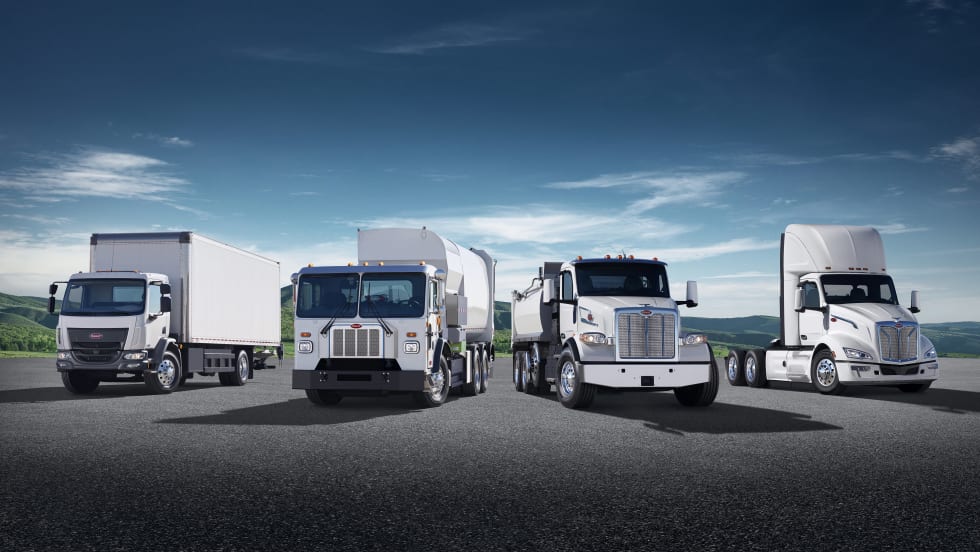
Peterbilt Expands Sourcewell Partnership with Electric Vehicle Lineup
The agreement aims to provide streamlined procurement of Peterbilt trucks for government, education, nonprofit and tribal organizations across the United States and Canada.
Read More →

EV Adoption & Charging Challenges
Where is your fleet in the journey of vehicle electrification? If you're still looking for answers to fleet electrification you've come to the right place.
Read More →
Hawaii Passes Clean Fuel Policy
Hawaii lawmakers passed clean fuel legislation that could support renewable natural gas production, biogas-powered transportation, and lower-carbon fueling options for public and commercial fleets.
Read More →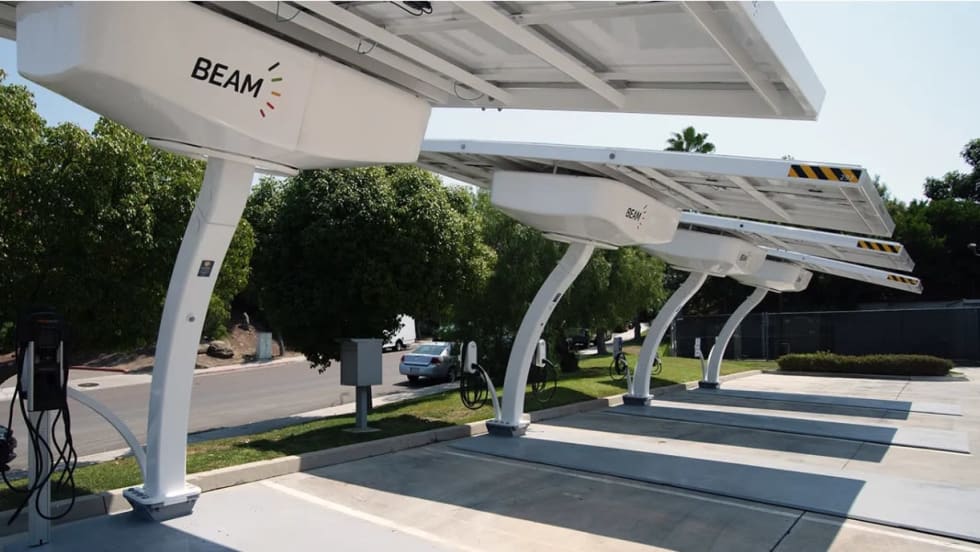
Stanislaus County Deploys Ten Beam Global EV ARC Systems to Support County Fleet Electrification
Stanislaus County deployed 10 off-grid solar-powered EV charging systems and a mobile charging trailer from Beam Global to support its electric fleet operations and emergency response flexibility.
Read More →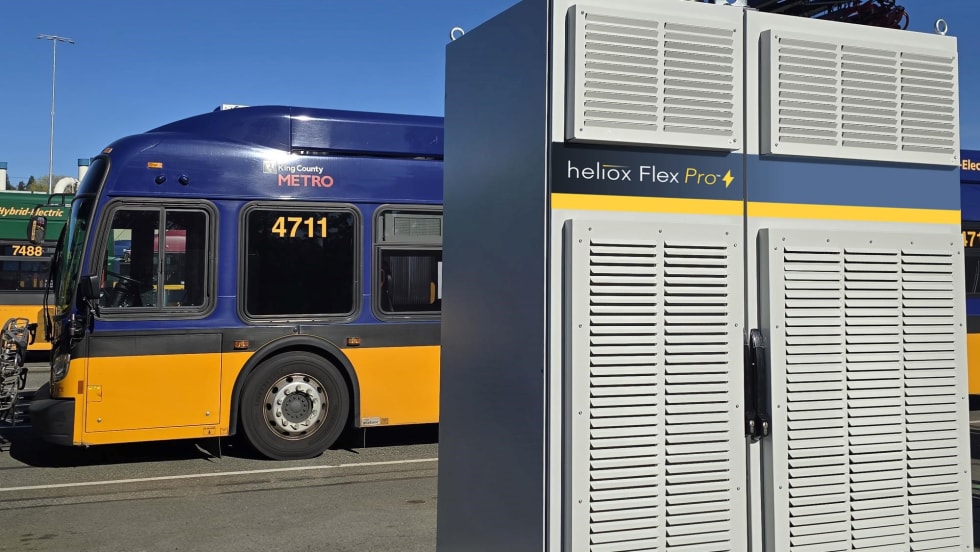
Heliox Pilots 480-kW Bus Charger with King County Metro
King County Metro is piloting Heliox’s new 480-kW Flex Pro charger to support expansion of its battery-electric bus fleet and depot charging infrastructure. The compact charging system supports pantograph and plug-in charging configurations for high-density transit operations.
Read More →