




Obama Expands Greenhouse Gas Reduction Target for Federal Operations
WASHINGTON - President Obama announced July 20 that the federal government will reduce greenhouse gas pollution from indirect sources, such as employee travel and commuting, by 13 percent by 2020.
WASHINGTON - President Obama announced July 20 that the federal government will reduce greenhouse gas pollution from indirect sources, such as employee travel and commuting, by 13 percent by 2020, according to a release issued by the White House.
This commitment expands beyond the Administration's greenhouse gas reduction target from direct sources set in January 2010, such as federal fleets and buildings, by 2020. Cumulatively, greenhouse gas pollution reductions from federal government operations will total 101 million metric tons of carbon dioxide, equivalent to the emissions from 235 million barrels of oil.
The reductions in greenhouse gas emissions is called for in President Obama's Executive Order 13514 on Leadership in Environmental, Energy, and Economic Performance, which requires the Federal government to lead by example towards a clean energy economy and reduce, measure, and report direct and indirect greenhouse gas pollution.
"Every year, the federal government consumes more energy than any other single organization or company in the United States," said President Obama. "That energy goes towards lighting and heating government buildings, fueling vehicles, and powering federal projects across the country and around the world. The government has a responsibility to use that energy wisely, to reduce consumption, improve efficiency, use renewable energy, like wind and solar, and cut costs."
The federal government is the single largest energy consumer in the U.S. economy. It owns 600,000 vehicles, owns and manages nearly 500,000 buildings, and paid a $24.5 billion utility and fuel bill in 2008. Meeting these targets will engage the nearly two million men and women across the country employed by federal agencies.
On October 19, 2009, the White House launched the GreenGov Challenge to ask all federal and military personnel to share ideas about how the federal community can lead by example, green the government, and meet the goals of President Obama's Executive Order on Federal Sustainability. The GreenGov Challenge generated more than 5,000 ideas and 165,000 votes from 14,000 federal employees.
Some GreenGov ideas have already been put into practice, from doubling the federal hybrid fleet to eliminating Styrofoam cups from agency cafeterias. Other ideas, such as utilizing renewable energy to power federal buildings and expanding bicycle commuting, are being incorporated into each federal agency's annual Sustainability Plan.
The Executive Order further requires that the actions federal agencies take to meet these goals have a positive return on investment for the American taxpayer. To promote accountability, annual progress will be measured by the Office of Management and Budget and reported online to the public.
More Green Fleet
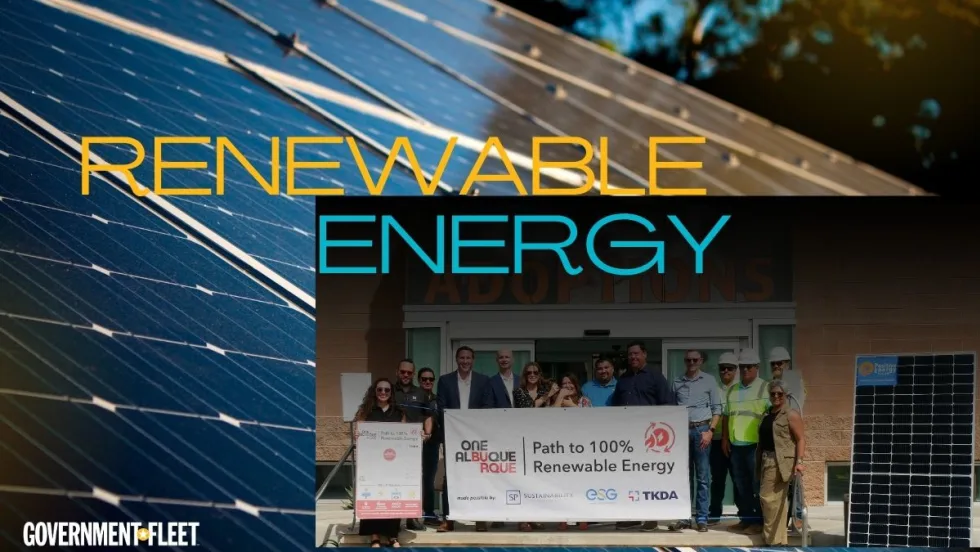
Sustainability Partners, Energy Systems Group Help Albuquerque Close the Gap on its 100% Renewable Energy Goal
The eight-site, 6 MW solar project has advanced the city toward 100% renewable energy for municipal operations.
Read More →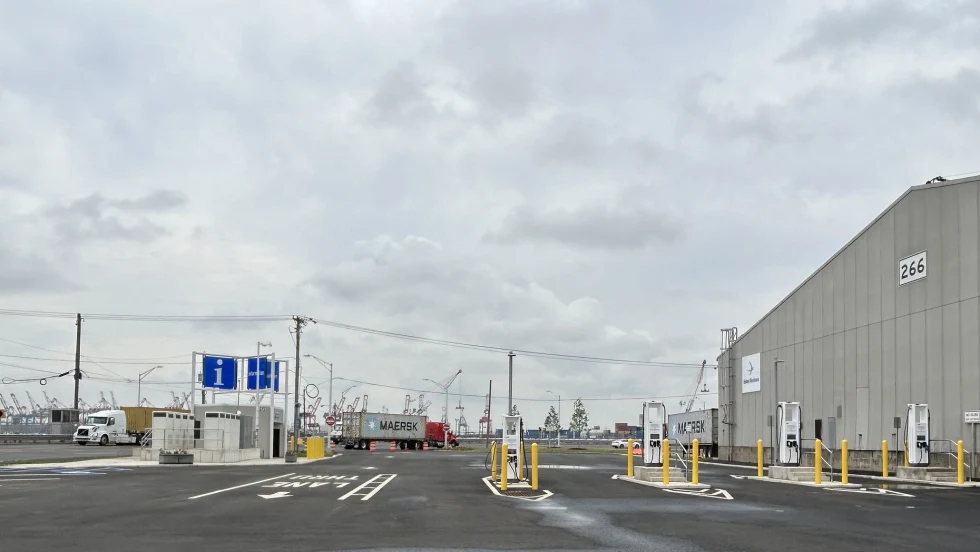
Port Authority and CALSTART Launch $45 Million Electric Truck and Charging Programs
The programs aim to boost sustainable operations across the East Coast's busiest seaport.
Read More →
Moving Government Fleets Beyond the Vehicle Purchase: EV as a Service
A discussion on how EVaaS is moving beyond pilot programs and what fleets should consider before beginning a larger deployment.
Read More →
Moving Government Fleets Beyond the Vehicle Purchase: EV as a Service
As fleets move beyond small EV pilots, Sustainability Partners CEO Adam Cain explains how EVaaS can address the infrastructure and long-term planning required for larger deployments.
Read More →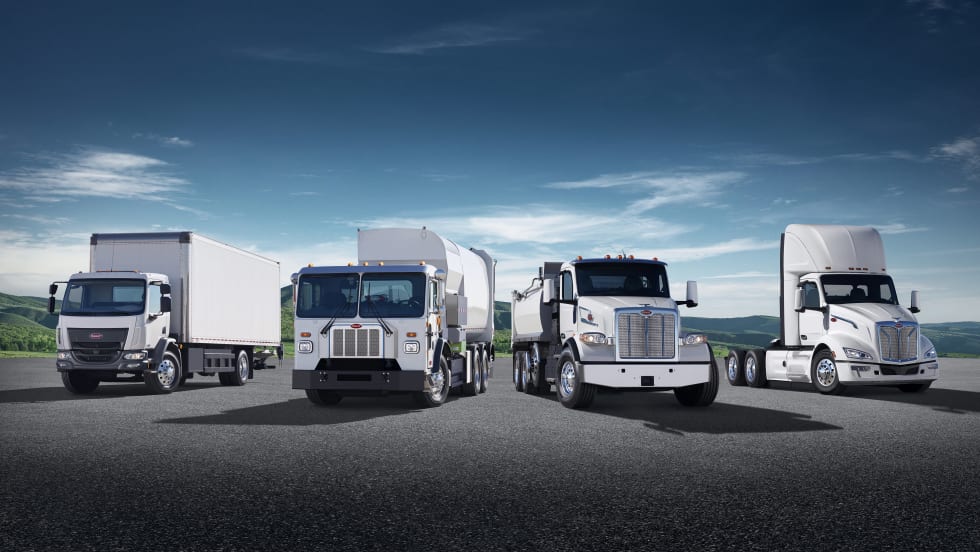
Peterbilt Expands Sourcewell Partnership with Electric Vehicle Lineup
The agreement aims to provide streamlined procurement of Peterbilt trucks for government, education, nonprofit and tribal organizations across the United States and Canada.
Read More →
EV Adoption & Charging Challenges
Where is your fleet in the journey of vehicle electrification? If you're still looking for answers to fleet electrification you've come to the right place.
Read More →
Hawaii Passes Clean Fuel Policy
Hawaii lawmakers passed clean fuel legislation that could support renewable natural gas production, biogas-powered transportation, and lower-carbon fueling options for public and commercial fleets.
Read More →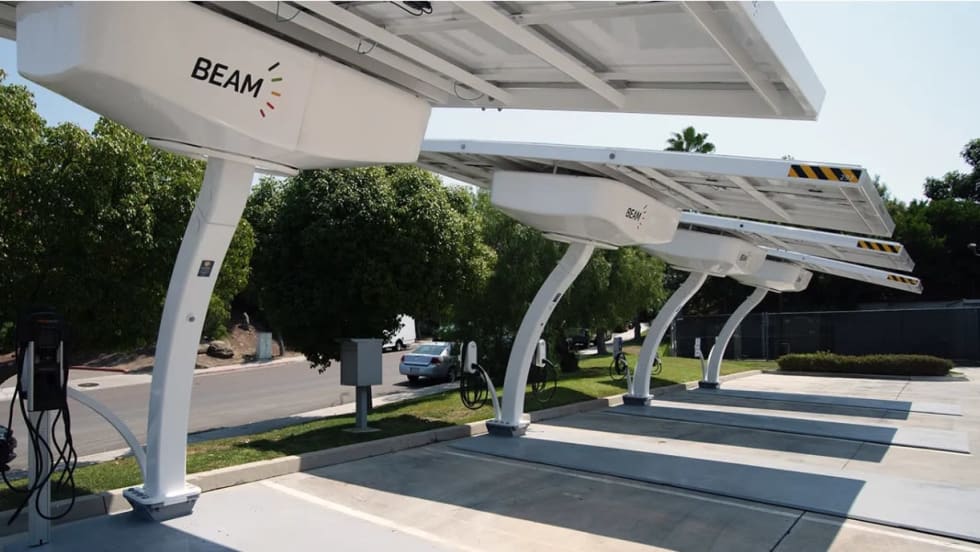
Stanislaus County Deploys Ten Beam Global EV ARC Systems to Support County Fleet Electrification
Stanislaus County deployed 10 off-grid solar-powered EV charging systems and a mobile charging trailer from Beam Global to support its electric fleet operations and emergency response flexibility.
Read More →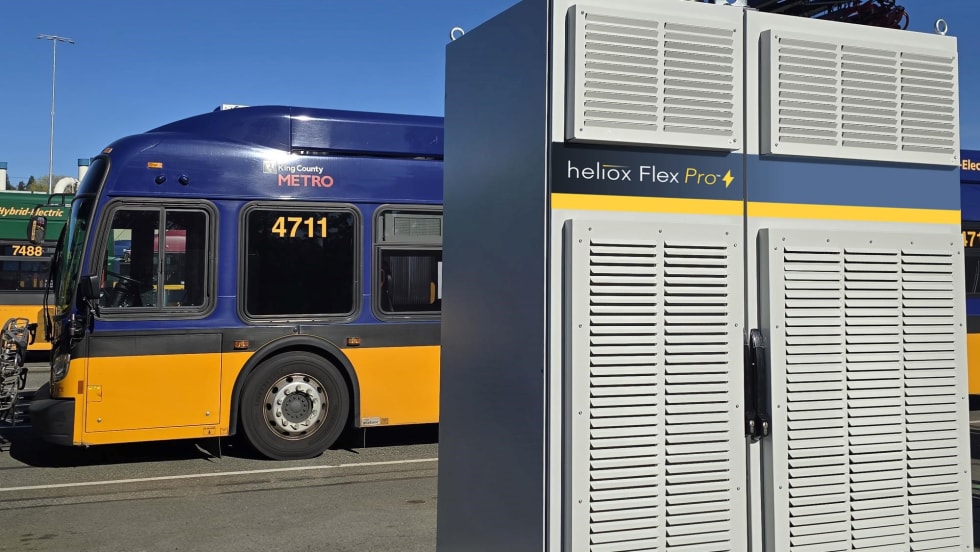
Heliox Pilots 480-kW Bus Charger with King County Metro
King County Metro is piloting Heliox’s new 480-kW Flex Pro charger to support expansion of its battery-electric bus fleet and depot charging infrastructure. The compact charging system supports pantograph and plug-in charging configurations for high-density transit operations.
Read More →