




NYC Sanitation Fleet May Not Meet Electrification Deadline
The electric rear loader trucks in the New York City Sanitation Department's fleet don't have the range necessary to complete the needed work in a single charge, the sanitation commissioner said.

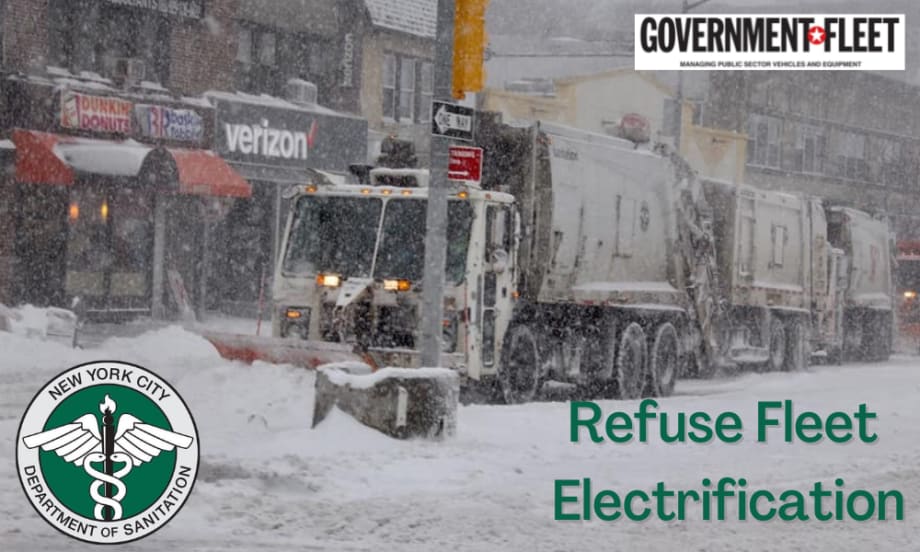
DSNY sanitation commissioner Jessica Tisch is not confident that the entire department's fleet will be electrified by 2040.
Photo: Canva/DSNY/Government Fleet
New York City's fleet of refuse trucks used for waste collection and plowing snow may not meet the city's ambitious 2040 electrification goal. That's the message from the city's sanitation commissioner, Jessica Tisch, at a recent city council hearing for the committee on sanitation and waste management.
In February 2020, then-mayor of New York Bill de Blasio signed an executive order aimed at transitioning the New York City fleet to an all-electric, carbon-neutral fleet by the year 2040. Prior to the order, the New York City Sanitation Department (DSNY) had already made progress toward the goal, operating many light-duty battery electric vehicles (BEVs). In the fall of 2020, DSNY brought on its first BEV refuse truck: a Model LR Electric Mack BEV refuse-collection truck. It was used for a pilot program. Then in June 2021, the city announced the purchase of seven more Mack electric refuse trucks.
DSNY operates the cleanest heavy-duty diesel fleet in the country, Tisch said. DSNY is working to increase its number of electric refuse trucks. It recently ordered another seven electric mechanical brooms, as well as seven rear loader EV collection trucks -- one for each DSNY zone. While these vehicles work well for waste collection, they don't currently have the range necessary to meet demands of snow plowing in a single charge, Tisch told the committee. The electric plows only work for about four hours, but are needed for around 12 hours, according to Spectrum News NY 1. That's not the only issue DSNY faces with electrification efforts.
"A large-scale adoption of an electric fleet will require a substantial change to our facilities: new or upgraded utility service, and additional space for charging trucks and equipment," Tisch said.
Currently, the department has 289 hybrid or fully electric vehicles out of a fleet of nearly 6,000 units, Spectrum News NY 1 reported.
Tisch said that as of right now, she doesn't see a way to fully electrify the city's rear loader fleet by 2040.
Citywide Fleet Electrification Efforts
New York City's fleet recently exceeded 4,000 electric vehicles, a goal it did not expect to meet for several years. Currently, just over half of those vehicles are all-electric battery electric vehicles (BEV) and 48% are plug-in hybrid electric vehicles (PHEV), which are electric vehicles with backup gas or diesel engines.
The NYC Department of Citywide Administrative Services (DCAS) and the U.S. Department of Transportation Volpe National Transportation Systems Center (USDOT Volpe) are spearheading the electrification efforts. Earlier this month, the two departments released the city's first Clean Fleet Transition Plan (CFTP). It reviews electrification opportunities for each of NYC Fleet’s 191 types of on- and off-road equipment as well as operational and infrastructure requirements for electrification.
As part of the review, Volpe interviewed 15 city agencies and found that 84% of on-road vehicles can be electrified based on vehicle options either available now in the marketplace or expected within the next five years. Currently, 41% of the fleet can be electrified, and another 43% within the next five years. DSNY's refuse trucks that are used for plowing, were designated as "Tier 3" trucks in Volpe's analysis, meaning they do not currently meet the functional performance requirements. As mentioned above, the electric refuse trucks don't have the capability to perform the needed plowing operations on a single charge. According to the review, DCAS anticipates testing seven electric refuse trucks for plowing functionality to gather data on the feasibility of electrifying the trucks with the current market offerings.
Volpe's key findings for DSNY showed that there is a charging station shortage, as well as a need for faster charging times.
More Green Fleet
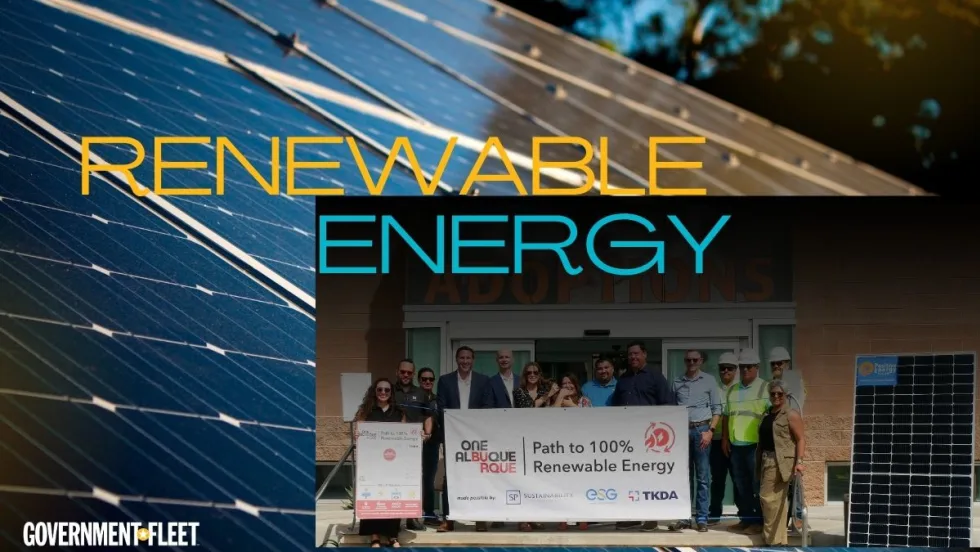
Sustainability Partners, Energy Systems Group Help Albuquerque Close the Gap on its 100% Renewable Energy Goal
The eight-site, 6 MW solar project has advanced the city toward 100% renewable energy for municipal operations.
Read More →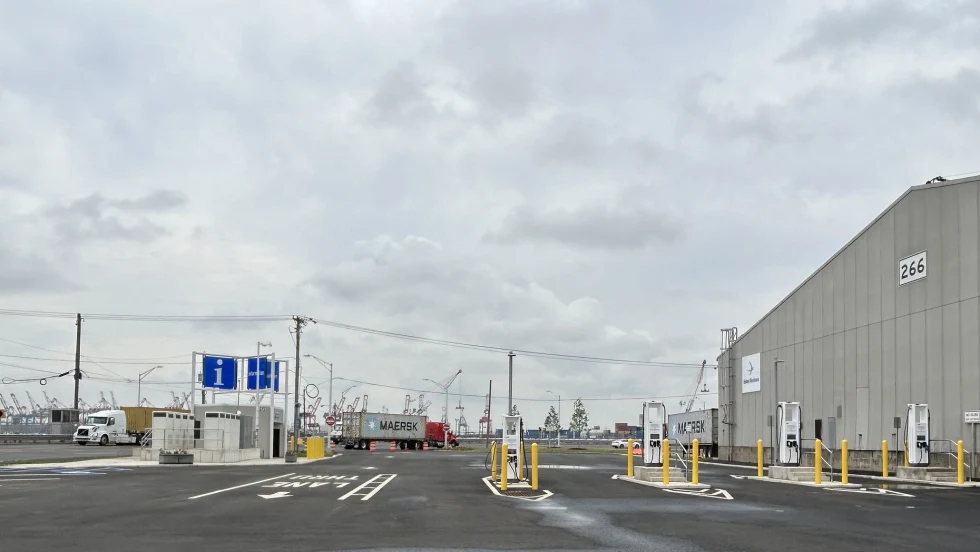
Port Authority and CALSTART Launch $45 Million Electric Truck and Charging Programs
The programs aim to boost sustainable operations across the East Coast's busiest seaport.
Read More →
Moving Government Fleets Beyond the Vehicle Purchase: EV as a Service
A discussion on how EVaaS is moving beyond pilot programs and what fleets should consider before beginning a larger deployment.
Read More →
Moving Government Fleets Beyond the Vehicle Purchase: EV as a Service
As fleets move beyond small EV pilots, Sustainability Partners CEO Adam Cain explains how EVaaS can address the infrastructure and long-term planning required for larger deployments.
Read More →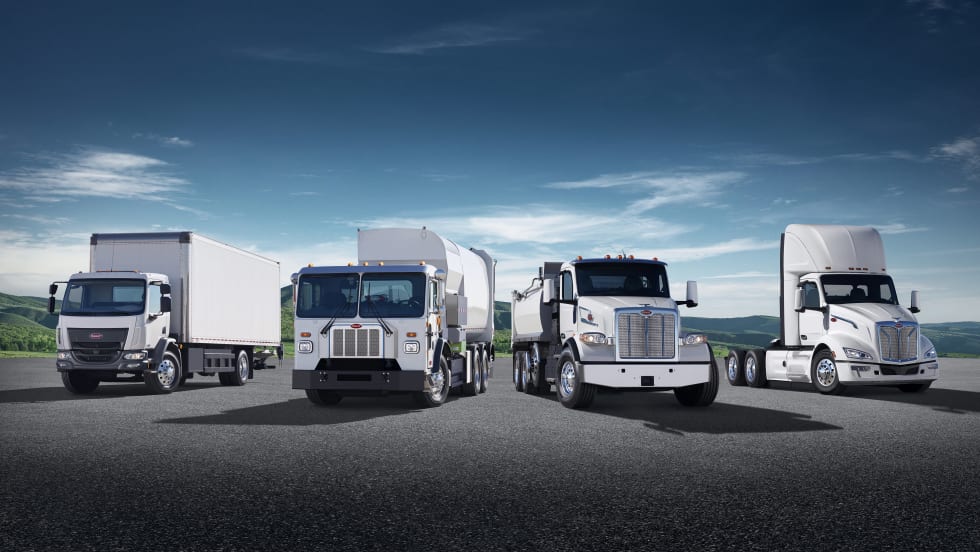
Peterbilt Expands Sourcewell Partnership with Electric Vehicle Lineup
The agreement aims to provide streamlined procurement of Peterbilt trucks for government, education, nonprofit and tribal organizations across the United States and Canada.
Read More →

EV Adoption & Charging Challenges
Where is your fleet in the journey of vehicle electrification? If you're still looking for answers to fleet electrification you've come to the right place.
Read More →
Hawaii Passes Clean Fuel Policy
Hawaii lawmakers passed clean fuel legislation that could support renewable natural gas production, biogas-powered transportation, and lower-carbon fueling options for public and commercial fleets.
Read More →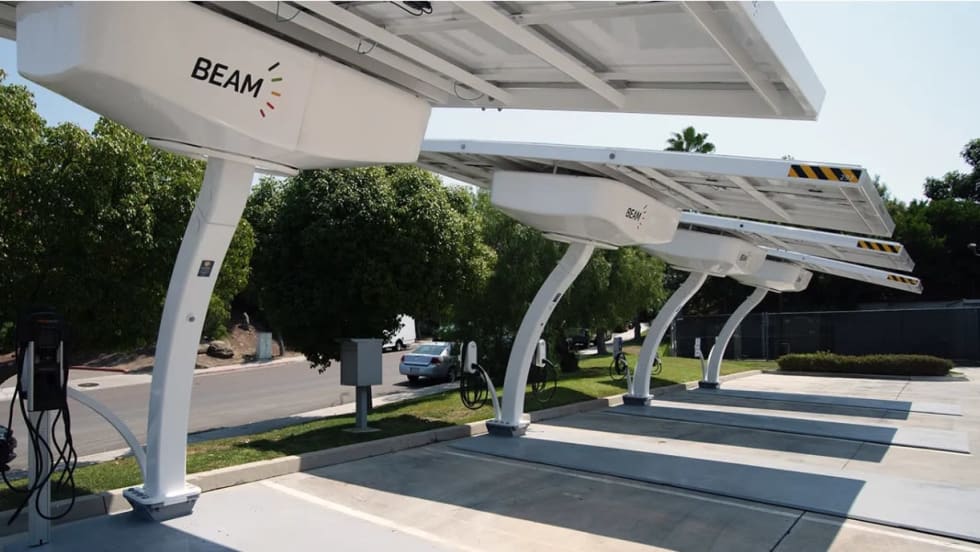
Stanislaus County Deploys Ten Beam Global EV ARC Systems to Support County Fleet Electrification
Stanislaus County deployed 10 off-grid solar-powered EV charging systems and a mobile charging trailer from Beam Global to support its electric fleet operations and emergency response flexibility.
Read More →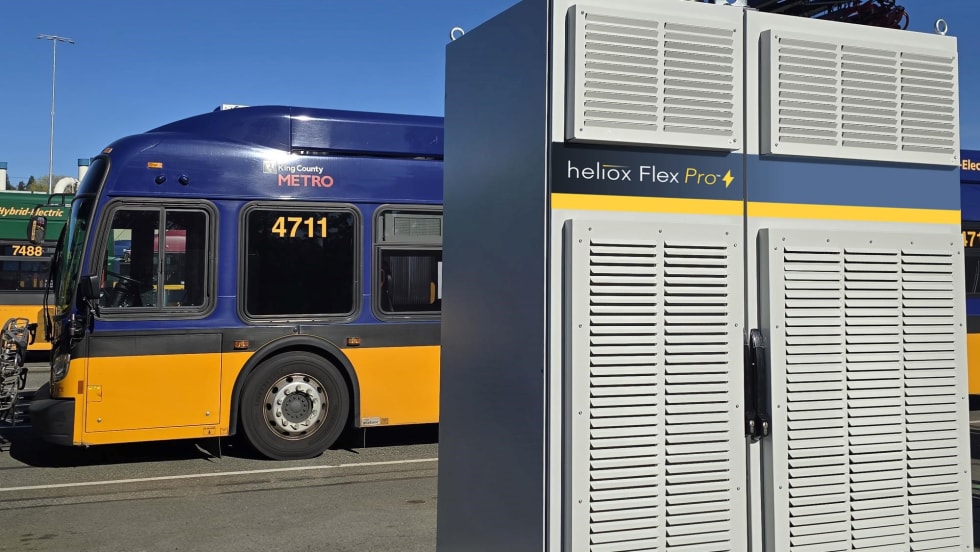
Heliox Pilots 480-kW Bus Charger with King County Metro
King County Metro is piloting Heliox’s new 480-kW Flex Pro charger to support expansion of its battery-electric bus fleet and depot charging infrastructure. The compact charging system supports pantograph and plug-in charging configurations for high-density transit operations.
Read More →