




North American Cities Take to Hybrid Buses
WASHINGTON, D.C. -- The recent popularity of hybrid cars has obscured an even more impressive surge in North American demand for diesel-electric city buses.
WASHINGTON, D.C. -- The recent popularity of hybrid cars has obscured an even more impressive surge in North American demand for diesel-electric city buses, according to the Financial Times. DaimlerChrysler, whose Orion brand has close to a 60 percent market share, estimates that, based on existing orders, the number of hybrid buses on US and Canadian streets will grow by three-quarters over the next year from 1,200 to 2,100.
"They're selling very well," says Brian Macleod, senior vice-president at Gillig, a Californian bus manufacturer.
Since Gillig began commercial production of hybrid buses in 2005, these models have grown to a fifth of its output. By contrast, hybrids make up less than 1.5 per cent of US car and light-truck sales.
Politicians are under pressure to cut smog and adopt environmentally friendly policies. Hybrid technology typically delivers bigger fuel savings for a city bus than a car because of the bus's low speed and frequent stops.
The batteries are barely used at speeds over 20mph. Buses in New York, which has the world's biggest hybrid fleet, travel at an average speed of just 7mph. Much of the battery power required for acceleration comes from energy stored whenever the brakes are applied.
Gillig has experimented with various alternative fuels, including methanol, ethanol, propane and natural gas. All were "somewhat successful" in cutting emissions" Mr. Macleod says, but some – such as methanol – produced other toxic substances. Furthermore, he adds, "none of them was as efficient as a diesel engine". However, with the help of ultra-low sulfur diesel fuel that went on sale in the US last month, "you've got a very clean vehicle".
Gillig's hybrid technology comes from a General Motors subsidiary, Allison Transmission. GM also supplies New Flyer Industries, another bus builder based in Winnipeg. Orion uses BAE Systems' technology.
GM, in partnership with DaimlerChrysler and BMW, is adapting Allison's bus technology to cars and light trucks. GM plans to launch a hybrid sport-utility vehicle followed by a pick-up truck.
An evaluation by the US National Renewable Energy Laboratory concluded last month that the fuel economy of New York's hybrid fleet was a third higher than its diesel buses and 60-120 per cent better than vehicles powered by natural gas.
In addition, the hybrid vehicles' reliability was well above minimum standards, and drivers liked their acceleration. New York is in the throes of expanding its Orion hybrid fleet from 500 to 825 vehicles. In Canada, hybrids are set to make up a third of Toronto's buses.
More Operations

How Phoenix Is Building Its Next Generation of Fleet Technicians
With more than 8,000 vehicles and pieces of equipment to maintain, the City of Phoenix could not afford to wait for fully trained technicians to walk through the door. Instead, they revamped their entire workforce strategy and showed how public fleets can create their own talent pipeline while preparing existing employees for increasingly complex vehicles.
Read More →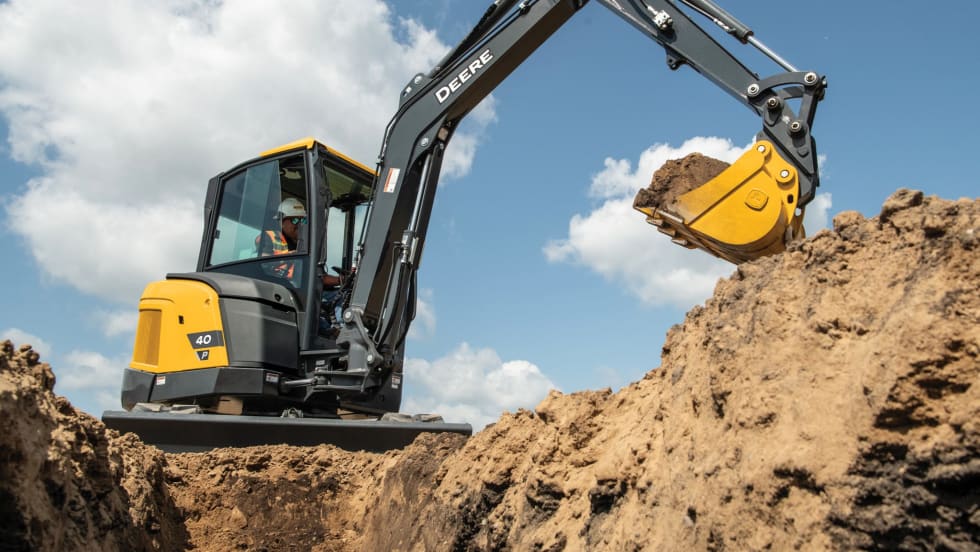
John Deere Introduces 40 P-Tier Compact Excavator
John Deere is adding a compact excavator designed for crews that need to move equipment between jobsites and handle multiple types of work with one machine. The 40 P-Tier weighs less than 10,000 pounds and offers configurable hydraulics, attachment options, and connected fleet-management capabilities.
Read More →
How Leading Fleets Improve and Why Business Plans Matter
This week, we look at what past Leading Fleet winners can teach us about making progress, plus how to build a business plan your fleet will actually use.
Read More →
Nominate a Fleet Leader for the 2027 Public Fleet Hall of Fame
Do you know a fleet leader who has made a lasting impact on the industry? Nominate this fleet professional for the 2027 Public Fleet Hall of Fame.
Read More →
Why Fleet Business Plans Need Three Perspectives
A fleet business plan should help agency leaders understand the fleet’s value, give the organization a clear direction, and establish shared expectations with customer departments.
Read More →
How Oil Analysis, Safety Technology, and Fleet Awards Drive Improvement
What happens when fleets let measured results guide their next decision?
Read More →
Emergency Response, Fleet Sales and New Technology
This week’s fleet news covers emergency preparedness, shifting vehicle sales, electric truck investments, and new tools for monitoring road conditions.
Read More →
NCDOT Adds Dash Cam Imagery to Statewide Traffic Monitoring
North Carolina transportation officials are adding another set of eyes to roads that aren't covered by fixed traffic cameras. A statewide deployment gives NCDOT access to on-vehicle imagery to verify conditions during work zones, severe weather, emergencies, and other traffic events.
Read More →
Turning a Bottleneck Into a Blueprint: How Tallahassee Rethought Police Fleet Readiness
For Tallahassee, finally receiving 87 delayed police cruisers created a new problem: how to get them on the road without creating a massive backlog. The solution would change more than the upfit process.
Read More →
AI, Police Fleet Readiness and Fire Apparatus News
See how AI, a reworked police-vehicle upfitting process, and a fire apparatus acquisition could affect public fleet operations.
Read More →