





Similar Content: New Jersey to Invest $100M in Clean Transportation Projects
New Jersey Expands Clean Fleet Vehicle Incentive Program
The $7 million grant program offers government entities in the state more incentives to upgrade fleets and infrastructure.
August 23, 2021
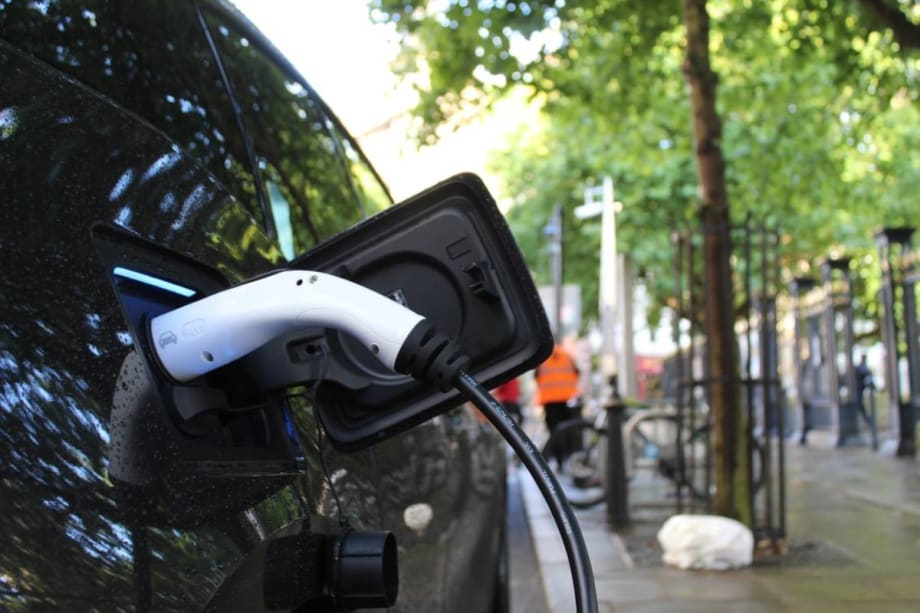
The $7 million grant program offers government entities more incentives to upgrade fleets and infrastructure.
Photo: Unsplash/Andrew Roberts
2 min to read
The New Jersey Board of Public Utilities (NJBPU) approved on August 18 the expansion of its Clean Fleet Electric Vehicle Incentive Program, a $7 million program offering grants for public entities to purchase electric vehicles (EVs) and related charging infrastructure. The modifications approved include an increase in award caps and are aimed at boosting the program’s reach and effectiveness as the state endeavors to reach Governor Phil Murphy’s goal of transitioning at least 25% of state-owned, non-emergency light-duty vehicles to plug-in EVs by December 31, 2025.
The program, initially introduced in 2019 as a $210,000 pilot program funded through the U.S. Department of Energy, allows local and state government entities to apply for up to two $4,000 grants toward the purchase of battery-electric vehicles and one $1,500 grant toward the purchase of a Level 2 EV charging station. In June 2021, New Jersey’s Clean Energy Program allocated a total of $7 million for fiscal year 2022, dedicating $6 million for use by state entities and $1 million for local governments.
Eligible entities include local schools, municipal commissions, state agencies or boards, state commissions, state universities, community colleges, and county authorities in addition to municipalities, municipal utility authorities, and state agencies.
The approved modifications for the fiscal year 2022 program are effective on August 28 and include:
Increased Vehicle Caps
Local governments, local entities, and local schools serving a population over 20,000: the vehicle cap will increase from two vehicles to five vehicles;
Local governments, local entities, and local schools serving a population over 50,000: the vehicle cap will increase from two vehicles to seven vehicles; and
State government, state agencies, boards, commissions, state universities, and counties, as well as local governments serving a population over 100,000: the vehicle cap will increase from two vehicles to 10 vehicles.
Increased Charging Station Caps
Local governments, local entities, and local schools serving a population over 20,000: the charging station cap will increase from one Level 2 EV charging station to two; and
State government, state agencies, boards, commissions, state universities, and counties, as well as local governments serving a population over 50,000: the charging station cap will increase from one Level 2 EV charging station to four.
More Green Fleet
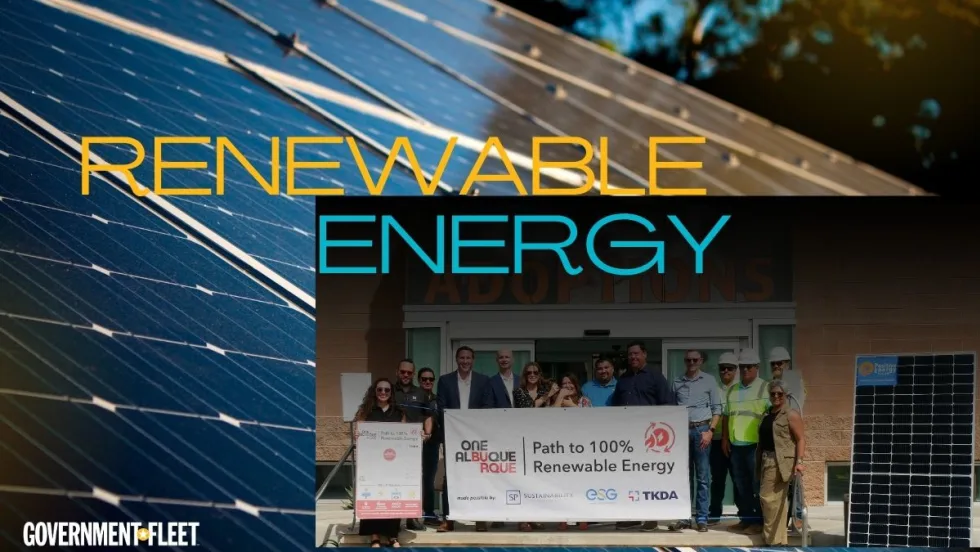
Sustainability Partners, Energy Systems Group Help Albuquerque Close the Gap on its 100% Renewable Energy Goal
The eight-site, 6 MW solar project has advanced the city toward 100% renewable energy for municipal operations.
Read More →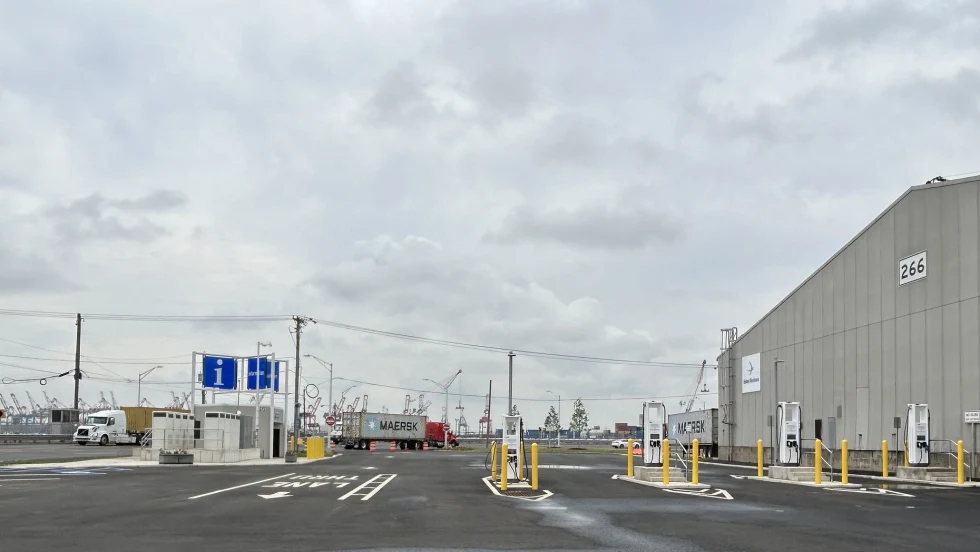
Port Authority and CALSTART Launch $45 Million Electric Truck and Charging Programs
The programs aim to boost sustainable operations across the East Coast's busiest seaport.
Read More →
Moving Government Fleets Beyond the Vehicle Purchase: EV as a Service
A discussion on how EVaaS is moving beyond pilot programs and what fleets should consider before beginning a larger deployment.
Read More →
Moving Government Fleets Beyond the Vehicle Purchase: EV as a Service
As fleets move beyond small EV pilots, Sustainability Partners CEO Adam Cain explains how EVaaS can address the infrastructure and long-term planning required for larger deployments.
Read More →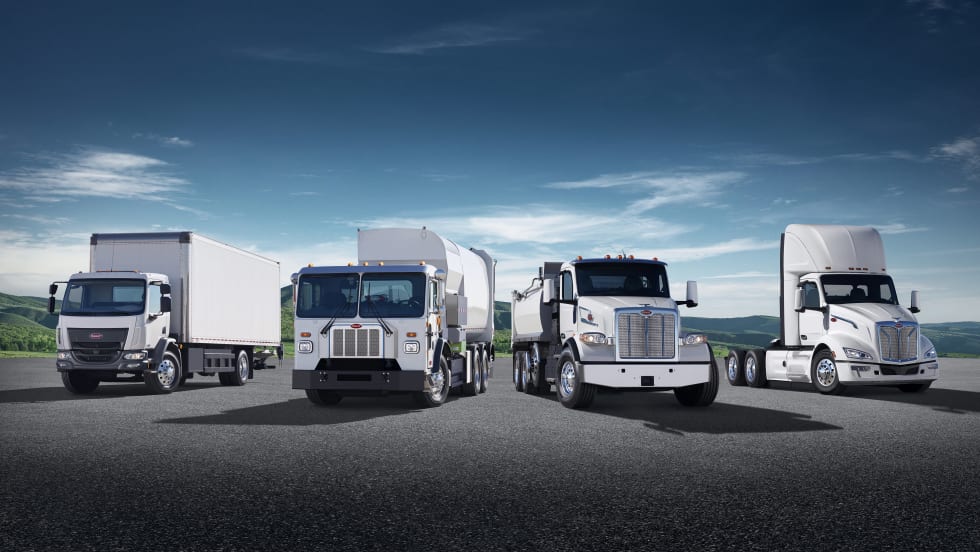
Peterbilt Expands Sourcewell Partnership with Electric Vehicle Lineup
The agreement aims to provide streamlined procurement of Peterbilt trucks for government, education, nonprofit and tribal organizations across the United States and Canada.
Read More →
EV Adoption & Charging Challenges
Where is your fleet in the journey of vehicle electrification? If you're still looking for answers to fleet electrification you've come to the right place.
Read More →
Hawaii Passes Clean Fuel Policy
Hawaii lawmakers passed clean fuel legislation that could support renewable natural gas production, biogas-powered transportation, and lower-carbon fueling options for public and commercial fleets.
Read More →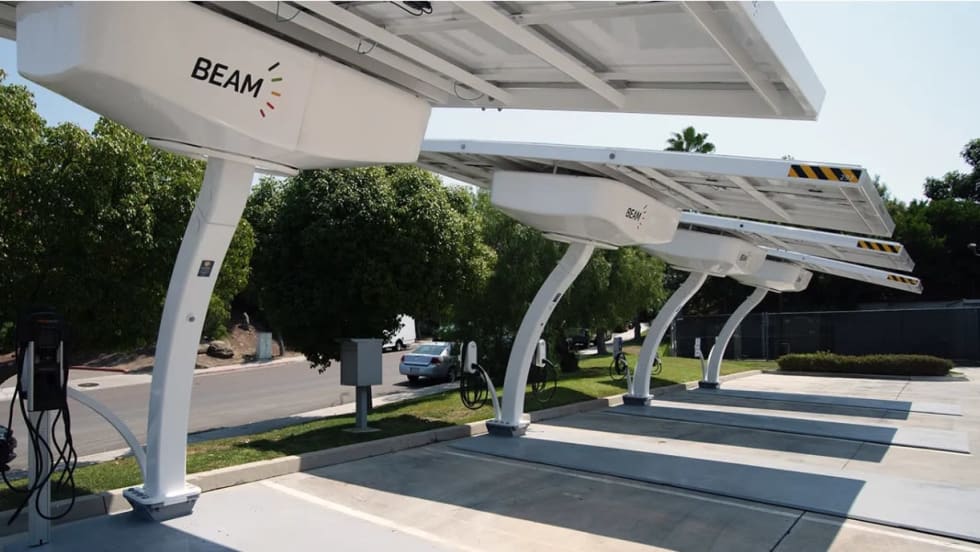
Stanislaus County Deploys Ten Beam Global EV ARC Systems to Support County Fleet Electrification
Stanislaus County deployed 10 off-grid solar-powered EV charging systems and a mobile charging trailer from Beam Global to support its electric fleet operations and emergency response flexibility.
Read More →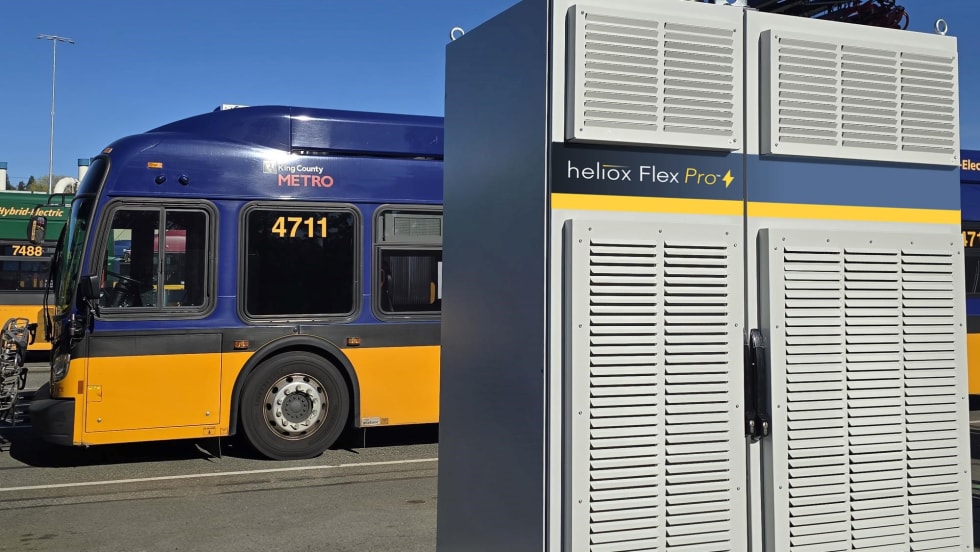
Heliox Pilots 480-kW Bus Charger with King County Metro
King County Metro is piloting Heliox’s new 480-kW Flex Pro charger to support expansion of its battery-electric bus fleet and depot charging infrastructure. The compact charging system supports pantograph and plug-in charging configurations for high-density transit operations.
Read More →