



Natural Gas Vehicle Institute Offers CNG Fuel Station Course
The Natural Gas Vehicle Institute (NGVi) has started offering an online course for companies considering designing and building natural gas fueling stations, and for those involved with permitting CNG station, according to the company.
The Natural Gas Vehicle Institute (NGVi) has started offering an online course for companies considering designing and building natural gas fueling stations, and for those involved with permitting CNG station, according to the company.
The course, "CNG Fueling Station Codes and Standards," provides an overview of national codes and standards that pertain to national CNG fueling stations, including NFPA 52, NFPA 30A, NFPA 70, NFPA 496, American Society of Mechanical Engineers Sections VII, VIII, IX, X and XI, ANSI B31, ANSI/CSA NGV1, 2, 3 and 4 and SAE J1616.
"When it comes to building or operating a CNG fueling station, traditional liquid fueling station suppliers and builders need to learn an entirely new system," said Leo Thomason, executive director of NGVi. "That is why it's imperative that they are properly trained on appropriate code requirements which not only assure the highest reliability of the fueling station, but also protect overall public safety."
CNG stations utilize a unique design and construction practices that require different components that aren’t necessary for conventional liquid fueling stations.
Individuals who complete the course are awarded with an NGVi certificate of completion.
More Green Fleet
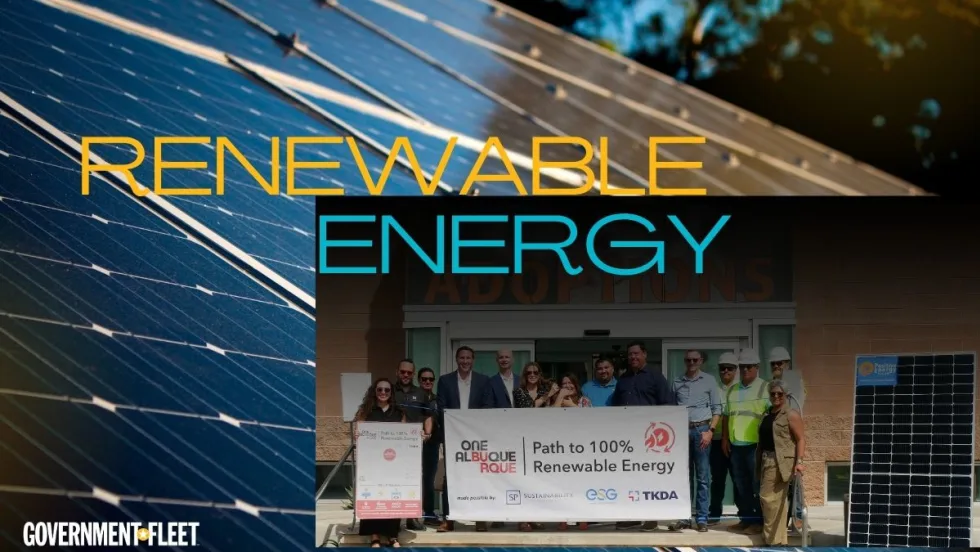
Sustainability Partners, Energy Systems Group Help Albuquerque Close the Gap on its 100% Renewable Energy Goal
The eight-site, 6 MW solar project has advanced the city toward 100% renewable energy for municipal operations.
Read More →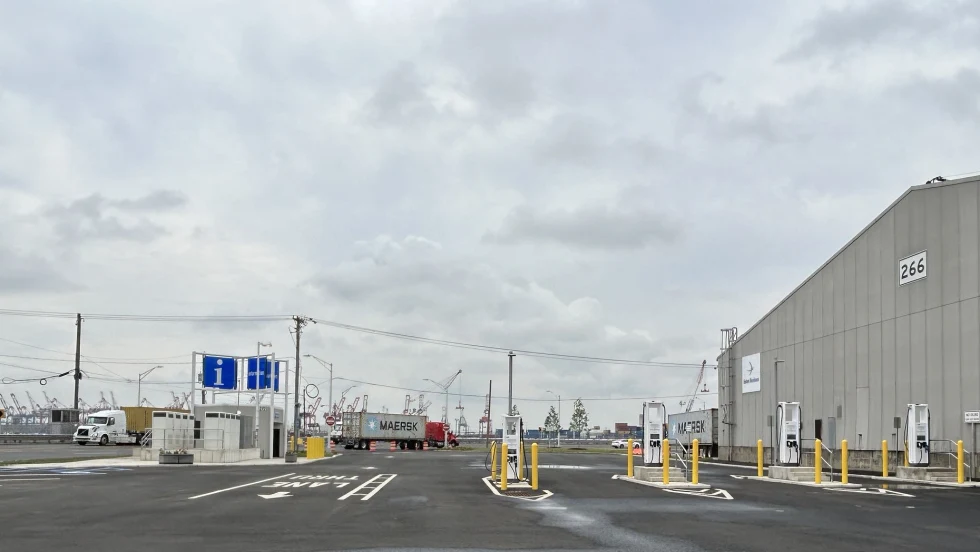
Port Authority and CALSTART Launch $45 Million Electric Truck and Charging Programs
The programs aim to boost sustainable operations across the East Coast's busiest seaport.
Read More →
Moving Government Fleets Beyond the Vehicle Purchase: EV as a Service
A discussion on how EVaaS is moving beyond pilot programs and what fleets should consider before beginning a larger deployment.
Read More →
Moving Government Fleets Beyond the Vehicle Purchase: EV as a Service
As fleets move beyond small EV pilots, Sustainability Partners CEO Adam Cain explains how EVaaS can address the infrastructure and long-term planning required for larger deployments.
Read More →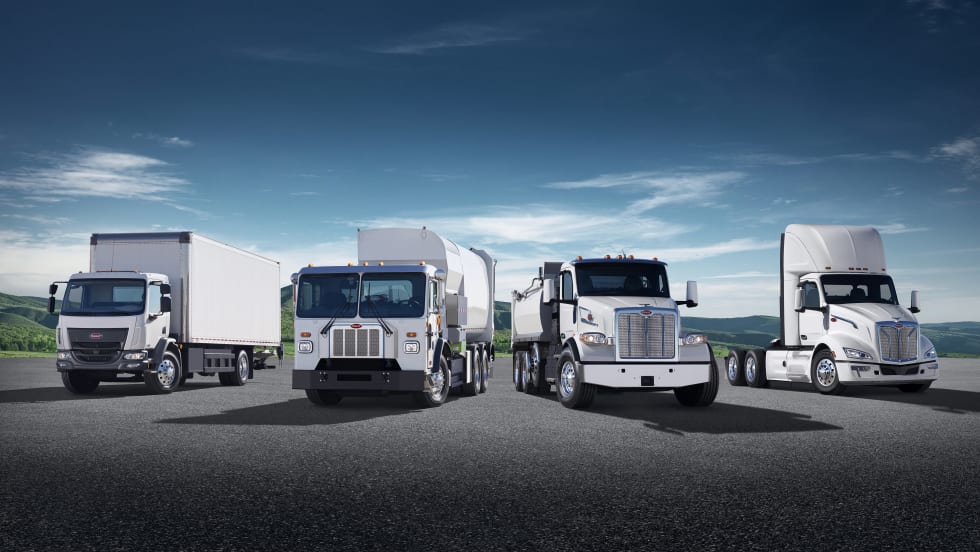
Peterbilt Expands Sourcewell Partnership with Electric Vehicle Lineup
The agreement aims to provide streamlined procurement of Peterbilt trucks for government, education, nonprofit and tribal organizations across the United States and Canada.
Read More →
EV Adoption & Charging Challenges
Where is your fleet in the journey of vehicle electrification? If you're still looking for answers to fleet electrification you've come to the right place.
Read More →
Hawaii Passes Clean Fuel Policy
Hawaii lawmakers passed clean fuel legislation that could support renewable natural gas production, biogas-powered transportation, and lower-carbon fueling options for public and commercial fleets.
Read More →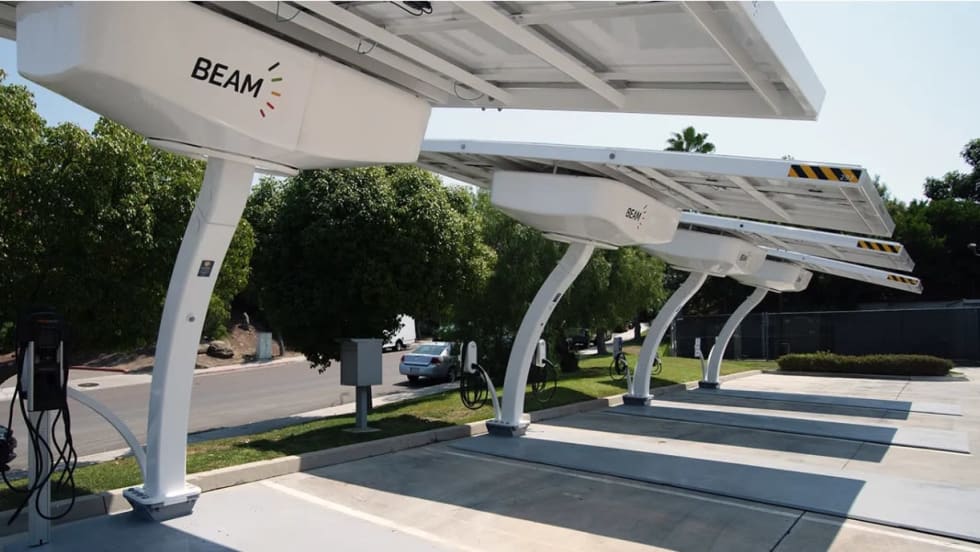
Stanislaus County Deploys Ten Beam Global EV ARC Systems to Support County Fleet Electrification
Stanislaus County deployed 10 off-grid solar-powered EV charging systems and a mobile charging trailer from Beam Global to support its electric fleet operations and emergency response flexibility.
Read More →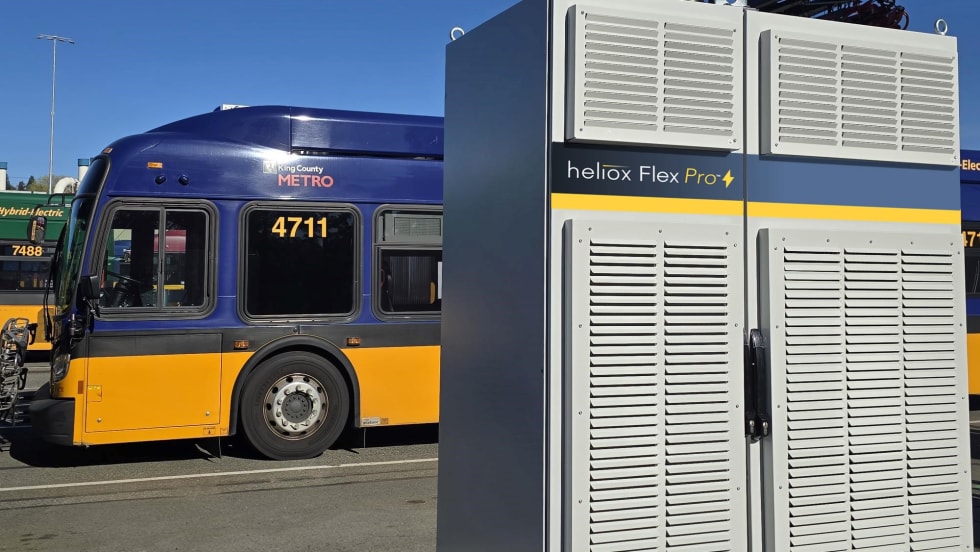
Heliox Pilots 480-kW Bus Charger with King County Metro
King County Metro is piloting Heliox’s new 480-kW Flex Pro charger to support expansion of its battery-electric bus fleet and depot charging infrastructure. The compact charging system supports pantograph and plug-in charging configurations for high-density transit operations.
Read More →