




Michigan State Police Tests Aftermarket Tires
LANSING, MI – The Michigan State Police (MSP) conducted an aftermarket tire test for law enforcement fleet vehicles in June 2011 and released a report on the results.
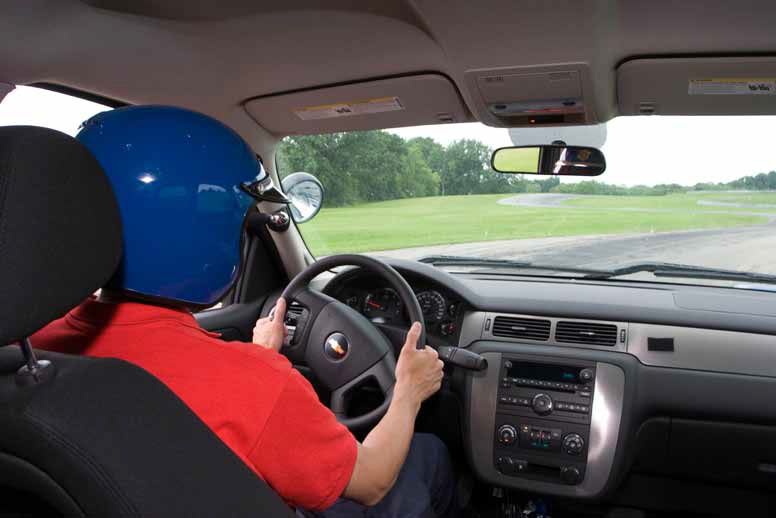
LANSING, MI – The Michigan State Police's Precision Driving Unit has released the results of an intensive battery of tests measuring the ability of aftermarket tires to meet the often-punishing demands of law enforcement driving.
You can download the test results here.
Troopers in the unit tested six tire brands—Cooper, Firestone, Goodyear, Nitto, Nokian, and Pirelli—on various law enforcement vehicles to rate the durability of aftermarket tires for agencies. During two weeks of testing in June, tires were studied in three major areas—braking, endurance, and steady-state turning.
In addition to the four individual tests, troopers also measured tire wear after two 50-lap runs. Tires were run counter clockwise for 50 laps and clockwise for another 50 laps. The percentage of wear for each tire was then then measured.
Tires were first tested for "straight line" stopping on dry asphalt—a benchmark test for vehicles during the unit's annual September evaluation of new models. Distance to a dead stop is measured for the vehicle (or tire, in this case) traveling at 60mph.
Next, straight-line braking tests are done on wet jennite, a calcium silicate hydrate used to seal asphalt. Stopping distance is measured from 35mph to a dead stop.
The tires are then tested on wet asphalt with the driver braking into a turn from a speed of 40mph.
The steady-state turning test is completed in two parts. Drivers accelerate while turning in a clockwise and counter clockwise circle for each test. The tires are tested with and without electronic stability control.
The Precision Driving Unit compared aftermarket tires to original equipment manufacturer tires outfitted on fleet vehicles when built on the assembly line for the purposes of testing.
The MSP tested the following tires: the Goodyear Eagle RS-A on the Dodge Charger, Ford Crown Vic (CVPI), Chevrolet Caprice, Chevrolet Impala, and Chevrolet Tahoe; the Firestone Firehawk GT Pursuit on the Charger, Ford CVPI, and Tahoe; the Cooper CS4 on the Ford CVPI, Impala, and Charger; the Nokian WR G2 on the Caprice and Impala; the Nitto NT 850 Plus on the Caprice, Impala, and Ford CVPI; and the Pirelli Pzero Nero on the Ford CVPI; and P6 tire on the Impala.
Tire evaluators purchased the tires from a retail store to ensure each tire was an actual production version. Goodyear, Firestone, Pirelli and Nitto categorized their test entries as "High Performance All Season," whereas Nokian labels its model as an "All Weather Plus" tire, and Cooper calls its tire a "Premium Luxury Touring" tire.
In the first set of braking tests of the Goodyear, Nitto, and Nokian tires on the Caprice, the Nitto tire performed best in wet and dry conditions. In the braking and turning test, the Nokian tire performed best.
In the test of the Cooper, Firestone, and Goodyear tires on the Charger, the Cooper tire performed best new in all three tests, but was too worn to be tested in the "worn" tests. The Goodyear and Firestone tires performed different in the dry vs. wet braking tests, with the Goodyear tire coming in first during the dry test and the Firestone coming in first in the wet, braking test. When braking during a turn for the worn tires, Goodyear came in first.
In the tests of the Goodyear and Firestone tests on the Tahoe, the new version of the Firestone tire performed better in three out of the four tests, but was too worn to be tested against the Goodyear tire in the "worn" tests.
For the Pirelli, Cooper, Goodyear, and Nokian tires tested on the Impala, the new version of the Cooper tire again had the best performance in four tests but was so worn it couldn't be tested against the other three in the "worn" tests.
On the Ford CVPI, where MSP tested the Goodyear, Cooper, Firestone, Nokian, and Nitto tires, again the new version of the Cooper tire performed best in two of the four tests but came in fourth in the braking-during-a-turn test, and third in the lateral acceleration test. The Cooper tire was too worn for testing in the "worn" tests, and the Nitto tire performed best in three of the four "worn" tire tests.
Replacement tire prices increased 4-13% in 2011 due to higher commodity costs used to manufacture tires, such as oil, rubber and steel, according to Automotive Fleet's 20th annual operating costs survey.
You can see a video where the Michigan State Police describe the testing methodology here.
By Greg Basich and Paul Clinton
More Police
Ford Pro Introduces Full-Size 2028 Expedition Police Responder
Ford Pro gave law enforcement customers a first look at the pursuit-rated utility during Police Fleet Expo.
Read More →
Paterson Police Expand Drone Fleet, Launch Real-Time Operations Center
The Paterson Police Department has expanded its drone program and opened a new Real-Time Operations Center designed to support emergency response and incident management. The initiative integrates multiple technologies to provide officers with real-time information during investigations and public safety operations.
Read More →
Why Public Fleet Success Depends on More Than the Vehicles
Tim Coxwell of the Leon County Sheriff’s Office discusses the projects shaping his fleet operation, including long-term work around vehicle selection, greenhouse gas emissions, and cost per mile.
Read More →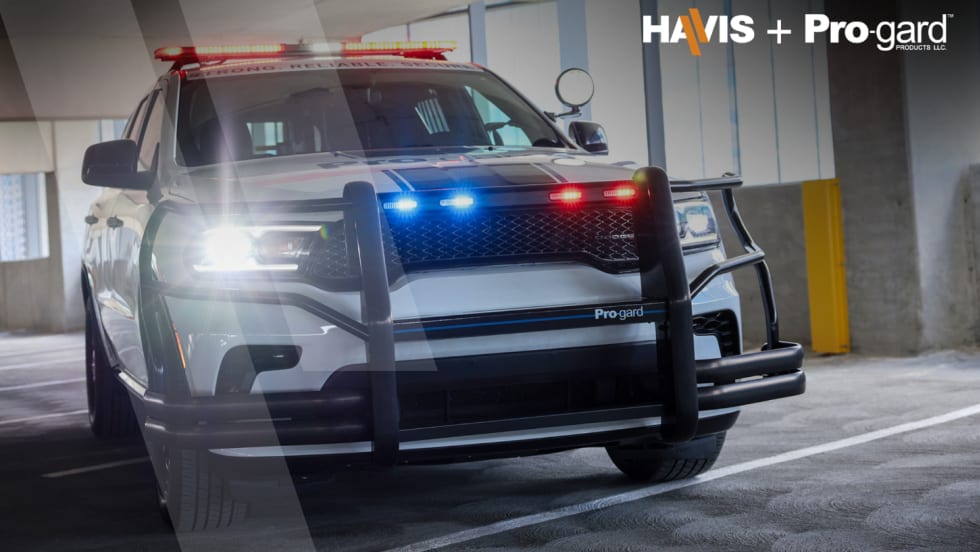
Havis Acquires Pro-gard Products
The acquisition brings together two manufacturers of public safety vehicle equipment under one company. Havis says the move expands its portfolio of products for outfitting law enforcement vehicles and other public safety fleets.
Read More →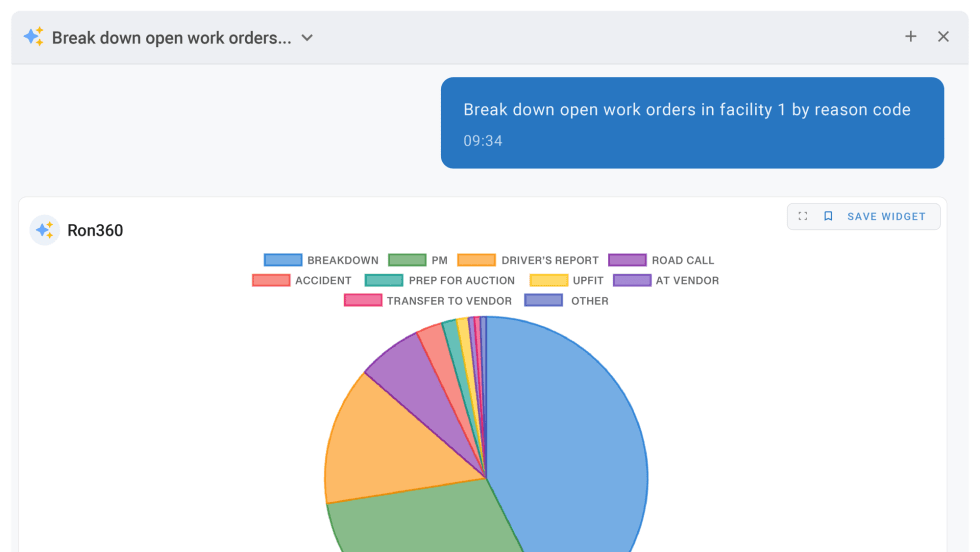
RTA Fleet Introduces AI Assistant for Fleet360 Platform
As artificial intelligence continues to gain traction across public-sector operations, fleet software providers are finding new ways to incorporate the technology into everyday workflows. RTA's latest addition aims to simplify how users interact with fleet data.
Read More →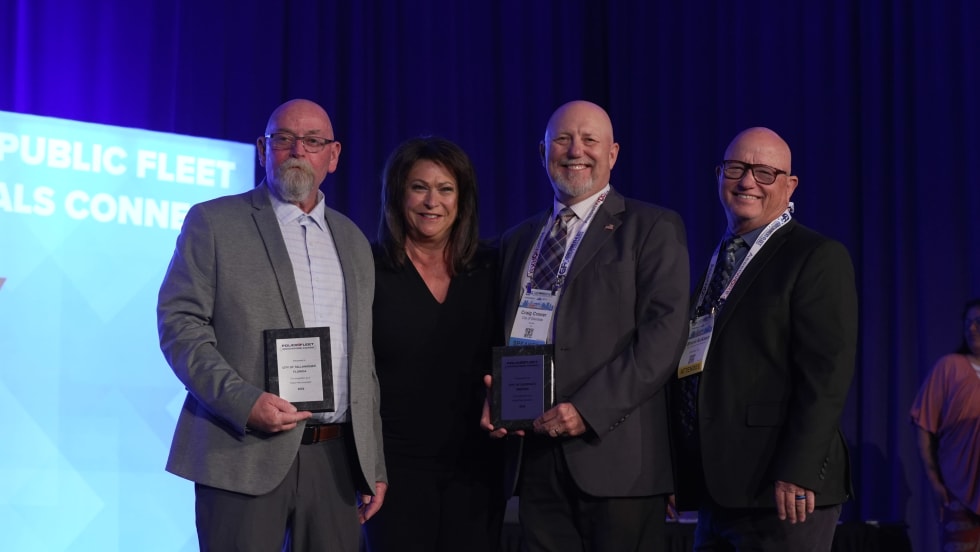
2026 Police Fleet Innovators Named
Meet the professionals finding new ways to solve some of law enforcement's toughest fleet challenges.
Read More →
Rynse Expands Nationwide Fleet Wash Access for Law Enforcement
The North Carolina Sheriff’s Association Contract Cooperative purchasing contract aims to streamline procurement process for law enforcement agencies across the U.S.
Read More →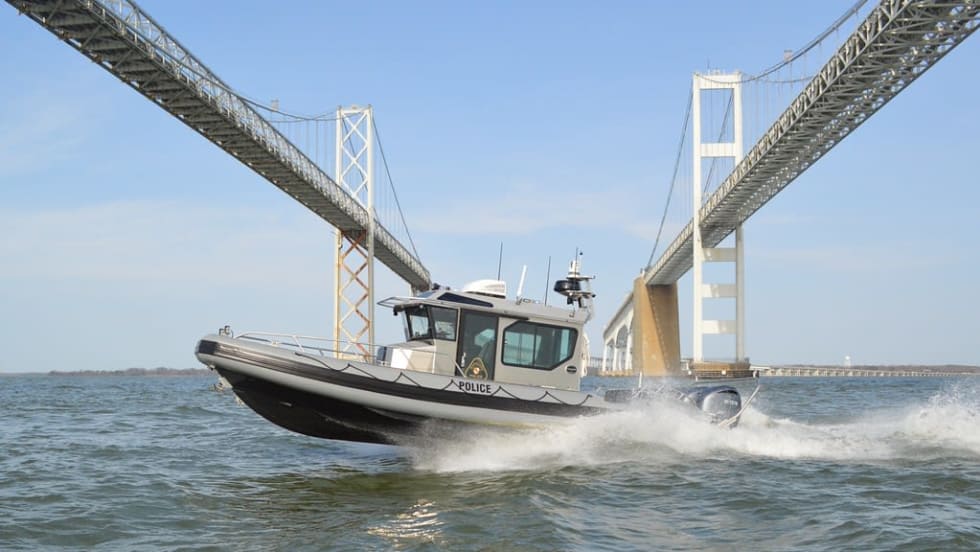
Maryland Natural Resources Police Adds 31-Foot Patrol Boat to Enforcement Fleet
A new addition to Maryland’s marine enforcement fleet is bringing expanded capabilities to Chesapeake Bay operations while honoring a legacy within the agency. The high-performance patrol vessel reflects how law enforcement fleets are adapting to growing demands on the water.
Read More →
LEHR Expands Florida Presence With Enforcement One Acquisition
LEHR has acquired Florida-based emergency vehicle upfitter Enforcement One, marking its eighth add-on acquisition.
Read More →
Maryland’s Wicomico County Sheriff Adds Mustang GT Patrol Vehicles
The agency is also working with the Maryland Police Training Commission on a specialized high-performance driving course for deputies assigned to the vehicles.
Read More →