




Miami University Using Anti-Idling Devices in Fleet
OXFORD, OH - With a fleet of more than 500 units, the university initially installed the devices in four vehicles but plans to roll it out to 10 to 20.
OXFORD, OH – Miami University, located in Oxford, Ohio, has started using an anti-idling technology in its fleet vehicles. With a fleet of more than 500 units, the university initially installed the devices in four vehicles, according to said Kirk Knobel, Sales & Marketing Manager for Transportation Safety Technologies, the company providing the anti-idling technology.
In addition, the university has already decided to implement the technology in 10 to 20 additional vehicles. Miami University is handling installation of the devices.
"Unnecessary engine idling is the largest factor in how much fuel a fleet wastes," said Clarence Blevins, manager of physical facilities for Miami University. "Installing the Idle Guard 200 in our maintenance vehicles will help the university save money while reducing our carbon footprint, and that's something we're proud to be a part of."
The technology is called Idle Guard 200. The device is triggered via a positive or negative signal from the parking brake on a vehicle with a manual transmission or the park/neutral shifter setting on a vehicle with an automatic transmission. The device shuts off the engine by fuel shut-off for a vehicle with a diesel engine or via the ignition in a vehicle with a gasoline engine.
“While it is too early for Miami University to report on the average percentage of fuel reduction (they will be tracking this data), according to some of our other Idle Guard 200 customers, many trucks in operation can idle as long as 1-2 hours per day,” said Knobel. “The lion’s share of our customer base is operating 8-cylinder engines and greater. So, it could save them 1 to 1.5 gallons of fuel per day per truck.”
The university is expecting a 60-90-day ROI for the new units based on that amount of reduction in fuel use.
By Greg Basich
More Fuel

Clean Energy to Build Hydrogen Station for Orange County Transportation Authority
The new station will support the agency’s growing fleet of zero-emission hydrogen fuel cell buses.
Read More →
How Fleet Managers Reduce Fuel Waste and Protect Budgets
When fuel prices swing, fleet averages don’t tell the whole story. This white paper helps fleet and operations leaders uncover where fuel waste really hides and what data they need to build a smarter, more resilient fuel strategy.
Read More →
Planning for Future Technologies: Hydrogen and Beyond
As public agencies work to cut emissions from off-road operations, fleets are turning to a mix of renewable fuels, hybrid systems, battery-electric equipment and emerging hydrogen technology.
Read More →
RoadFlex Expands Fuel Network with Refuel Partnership
RoadFlex expands its fueling network for public sector fleets through a new partnership with Refuel, adding more than 250 locations across the Southeastern U.S. to improve access, savings, and efficiency.
Read More →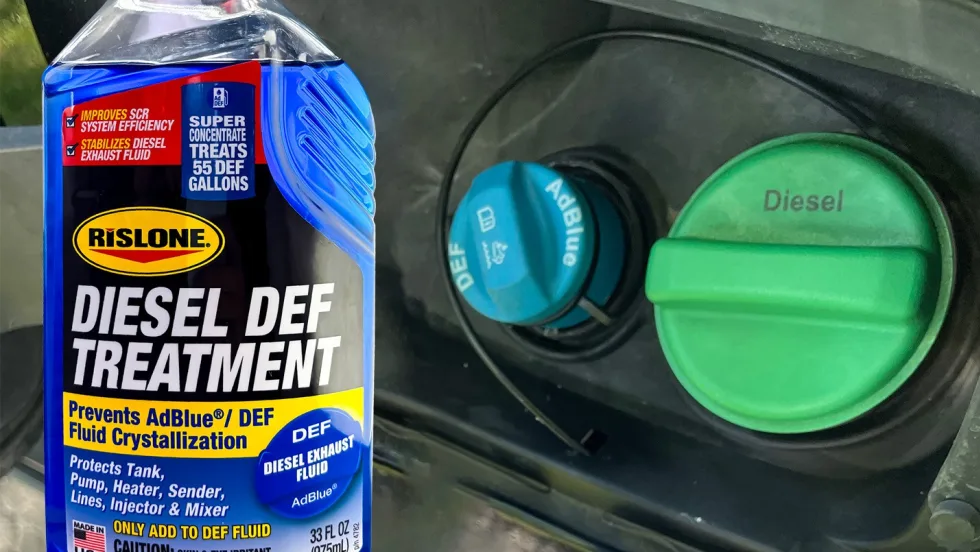
Rislone DEF Treatment Designed to Keep Diesel Exhaust Fluid Crystal-Free
Rislone is rolling out a super-concentrated version of its Diesel DEF Treatment that is designed to stabilize and improve diesel exhaust fluid.
Read More →
Are Bi-Fuel Propane Autogas Vehicles Making Law Enforcement Fleets More Resilient, Cost-Effective?
How a Florida sheriff office’s choice in fuel system led to a healthier budget, increased resiliency, and decreased emissions.
Read More →
Fleets All-In On Fuel Management Tech
Fuel management can become a tricky obstacle, but smart strategies and new tech have turned it into a well-oiled machine where price prediction is art, and cost control is science.
Read More →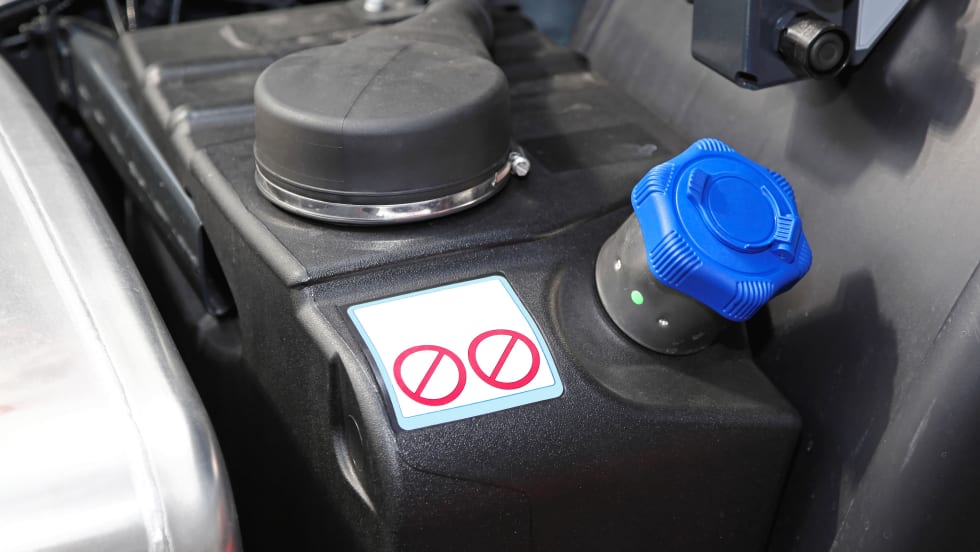
Prepare Diesel Trucks for Winter with Diesel Exhaust Fluid
Understand proper DEF purchasing, handling, and storage practices in order to meet regulatory requirements and operates at peak performance.
Read More →
Diesel Exhaust Fluid (DEF) Locator
Yara, a diesel exhaust fluid (DEF) producer, offers a DEF locator website to help get the fluids fleets need.
Read More →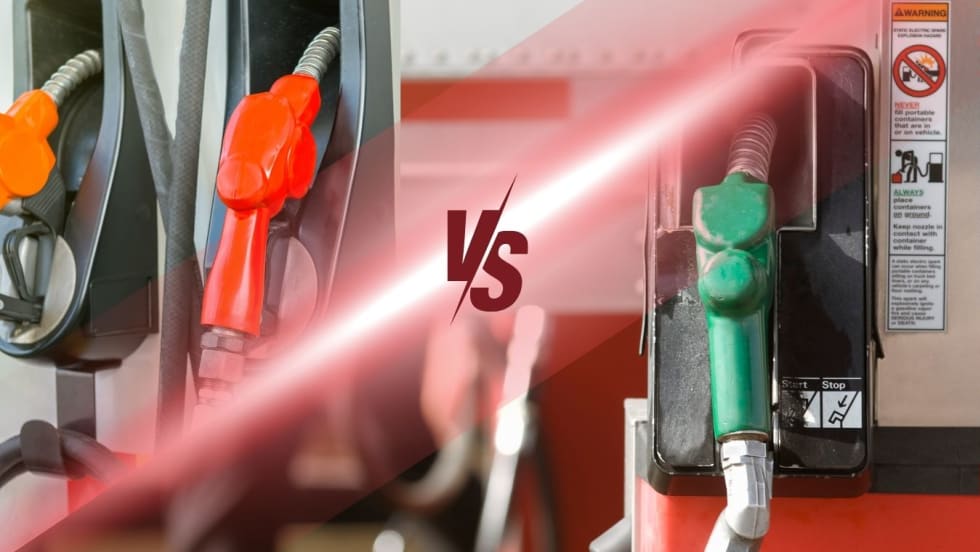
Gas vs. Diesel: The Bad Investment Only Fleet Managers Know About
A major point of debate in fleet management is using diesel vs. gas cars and trucks. Choosing to purchase gasoline engines instead of diesel ones for medium-duty trucks may be an unpopular decision, but is it the right one?
Read More →