




Mayor Villaraigosa Drives First Heavy-Duty, Electric Port Drayage Truck off the Assembly Line at New Harbor City Factory
SAN PEDRO, CA - Los Angeles' green technology sector takes a heavy-duty roll with the grand opening of a manufacturing facility in Harbor City that will begin producing fleets of clean, all-electric, heavy-duty trucks capable of hauling 30-ton shipping containers in and around the San Pedro Bay port complex.
SAN PEDRO, CA - Los Angeles' green technology sector has taken a heavy-duty roll with the grand opening of a manufacturing facility in Harbor City that will begin producing fleets of clean, all-electric, heavy-duty trucks capable of hauling 30-ton shipping containers in and around the San Pedro Bay port complex.
Los Angeles Mayor Antonio Villaraigosa joined a host of city and business officials at an assembly-line ceremony that celebrated the creation of a growing number of new "green collar" jobs and the important role this new breed of green machines could play in reducing harmful tailpipe emissions in Southern California and elsewhere. Officials present at the Harbor City event included Santa Ana Mayor Miguel Pulido, Los Angeles Councilwoman Janice Hahn, Los Angeles Harbor Commission President S. David Freeman, and Balqon Corp. CEO Balwinder Samra.
"Los Angeles is laying the foundation of a sustainable economy by investing in clean technology and green jobs," Mayor Villaraigosa said. "Bringing Balqon to L.A. represents a giant leap in our effort to develop the clean technology industry of tomorrow."
"We are proud to be the first port in the world to develop and put into service these groundbreaking electric trucks," said Harbor Commission President S. David Freeman. "They are a triple winner: cleaner, lower cost, and quiet. They don't generate the harmful tailpipe emissions that plague our air quality here in Southern California."
"The support and collaboration we received from the Port and City of Los Angeles enabled us to develop, test, and now move into production with a first-of-its-kind, heavy-duty electric truck in less than two years' time," said Balqon Corp. President and CEO Balwinder Samra. "This is the kind of smart approach that is putting Los Angeles and its port at the forefront of 'clean tech' efforts that will benefit regional air and regional business."
An initiative of the Port's Clean Air Action Plan, the development and demonstration of the Balqon electric truck was co-funded by the Port and South Coast Air Quality Management District (SCAQMD) at a total cost of $527,000. Designed specifically for short-haul or "drayage" operations, this heavy-duty truck can pull a 60,000-lb. cargo container at a top speed of 40 mph and has a range between 30 to 60 miles per battery charge. The battery charger can charge up to four electric trucks simultaneously in four hours and can also provide up to 60 percent of the charge in one hour to meet peak demands during daily operations.
Following the successful completion of cargo terminal tests during 2008 of the demonstration Balqon truck, the Los Angeles Harbor Commission approved the purchase of 20 production, electric trucks from the manufacturer as part of the "green terminal" program. These trucks will be deployed as a zero-emissions alternative to fossil fuel-powered yard tractors, or "hostlers." Currently, fleets of thousands of hostlers -- mostly diesel vehicles and a small number of Liquefied Natural Gas test units -- move thousands of containers a day between the Port's docks and terminal backland. They could eventually be replaced by electric vehicles.
The green terminal program will also include the production of five on-road electric trucks. Balqon will work with the Port and Department of Transportation to obtain the appropriate certification for on-road use. In total, the Port is investing more than $5.6 million to demonstrate the viability of electric drayage trucks.
As a partial consideration of the Port providing the first sizeable production order with Balqon, the company will provide a royalty payment to the Port for each vehicle it sells or leases worldwide.
Energy and Emissions Savings
On a kilowatt hour of energy cost-basis, this electric truck costs roughly 20 cents a mile to operate. On a per-mile cost-basis, a common diesel truck could cost anywhere from four to nine times as much, depending on fluctuating fuel costs and actual duty-cycle activity (100-percent duty cycle equals zero-percent truck idling).
Future widespread application of a fleet of electric trucks would be especially useful at the Port of Los Angeles because, on an annual basis, more than 2 million truck drayage trips take place between the port terminals and rail and warehouse facilities within 5-10 miles of San Pedro Bay.
An overall calculation of net emissions reductions still must be performed to take into account the emissions created in the generation of electric power used to charge the truck's batteries. However, based on the average emissions generated by the existing fleet of drayage trucks that serve the San Pedro Bay ports, Port of Los Angeles staff estimated the average pollution discharge generated by the estimated 1.2 million truck trips that occurred in 2006 between the ports and a local near-dock railyard (the Intermodal Container Transfer Facility or ICTF). If those 1.2 million truck trips were to be made with zero-emission electric trucks, an estimated 35,605.6 tons of tailpipe emissions would be eliminated, including: 21.8 tons per year of Diesel Particulate Matter (DPM), 427.7 tons per year of localized nitrogen oxide (NOx) emissions, 168.5 tons per year of carbon (CO), and 34,987.6 tons per year of carbon dioxide (CO2).
More Green Fleet
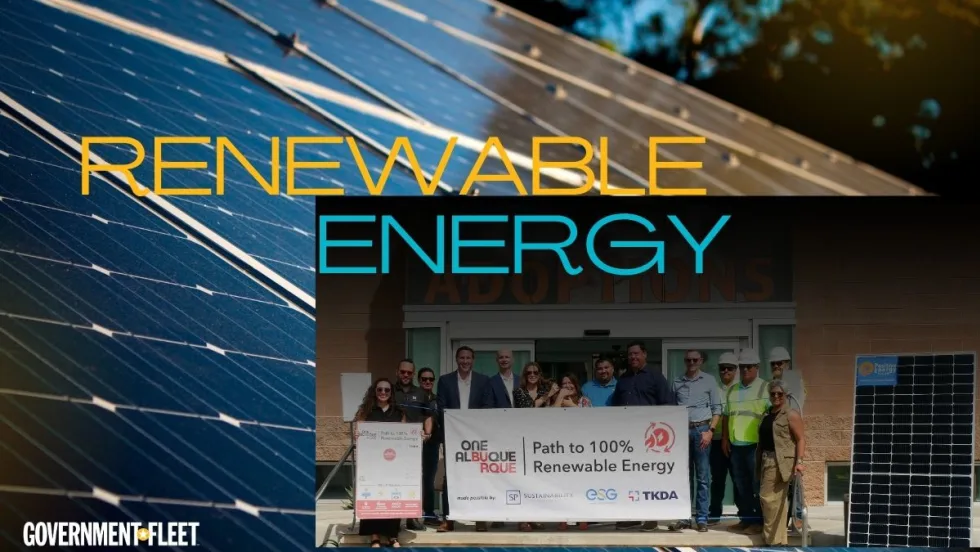
Sustainability Partners, Energy Systems Group Help Albuquerque Close the Gap on its 100% Renewable Energy Goal
The eight-site, 6 MW solar project has advanced the city toward 100% renewable energy for municipal operations.
Read More →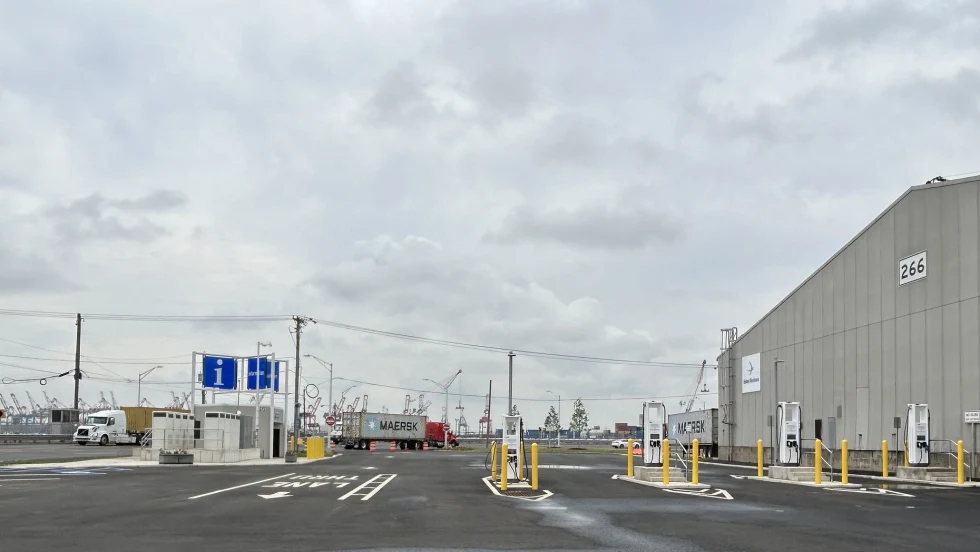
Port Authority and CALSTART Launch $45 Million Electric Truck and Charging Programs
The programs aim to boost sustainable operations across the East Coast's busiest seaport.
Read More →
Moving Government Fleets Beyond the Vehicle Purchase: EV as a Service
A discussion on how EVaaS is moving beyond pilot programs and what fleets should consider before beginning a larger deployment.
Read More →
Moving Government Fleets Beyond the Vehicle Purchase: EV as a Service
As fleets move beyond small EV pilots, Sustainability Partners CEO Adam Cain explains how EVaaS can address the infrastructure and long-term planning required for larger deployments.
Read More →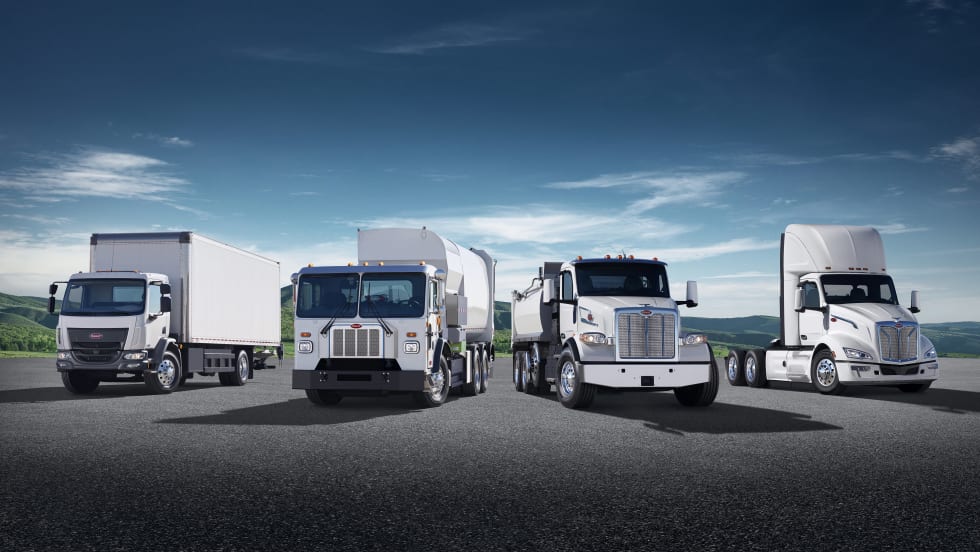
Peterbilt Expands Sourcewell Partnership with Electric Vehicle Lineup
The agreement aims to provide streamlined procurement of Peterbilt trucks for government, education, nonprofit and tribal organizations across the United States and Canada.
Read More →

EV Adoption & Charging Challenges
Where is your fleet in the journey of vehicle electrification? If you're still looking for answers to fleet electrification you've come to the right place.
Read More →
Hawaii Passes Clean Fuel Policy
Hawaii lawmakers passed clean fuel legislation that could support renewable natural gas production, biogas-powered transportation, and lower-carbon fueling options for public and commercial fleets.
Read More →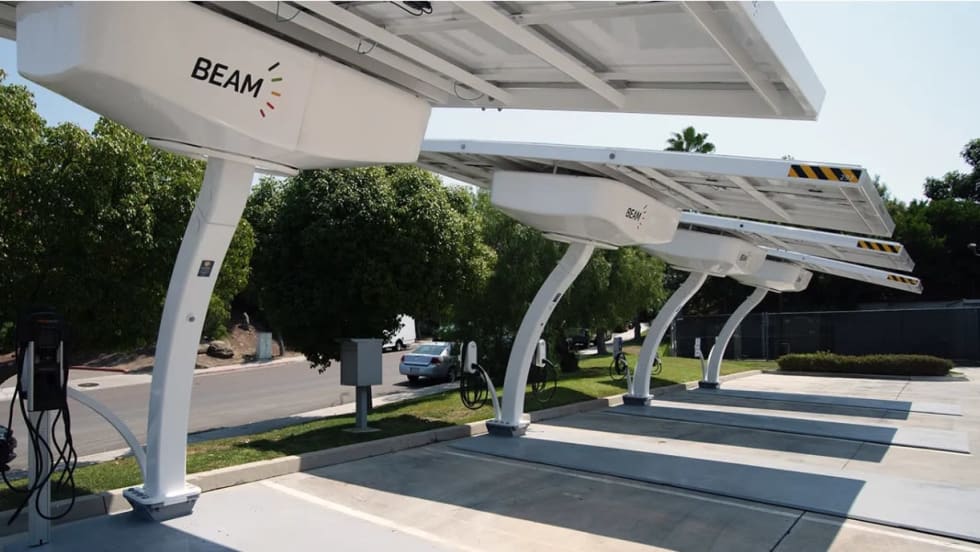
Stanislaus County Deploys Ten Beam Global EV ARC Systems to Support County Fleet Electrification
Stanislaus County deployed 10 off-grid solar-powered EV charging systems and a mobile charging trailer from Beam Global to support its electric fleet operations and emergency response flexibility.
Read More →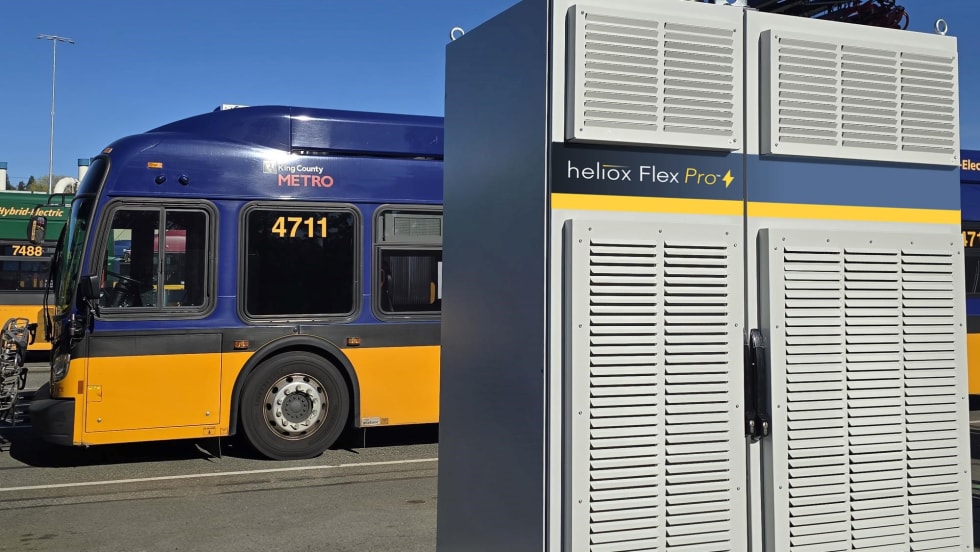
Heliox Pilots 480-kW Bus Charger with King County Metro
King County Metro is piloting Heliox’s new 480-kW Flex Pro charger to support expansion of its battery-electric bus fleet and depot charging infrastructure. The compact charging system supports pantograph and plug-in charging configurations for high-density transit operations.
Read More →