




Lightning Systems Electric Ford Transit Adds Range
The second-generation powertrain features more range and higher top speed, and batteries are located under the vehicle.

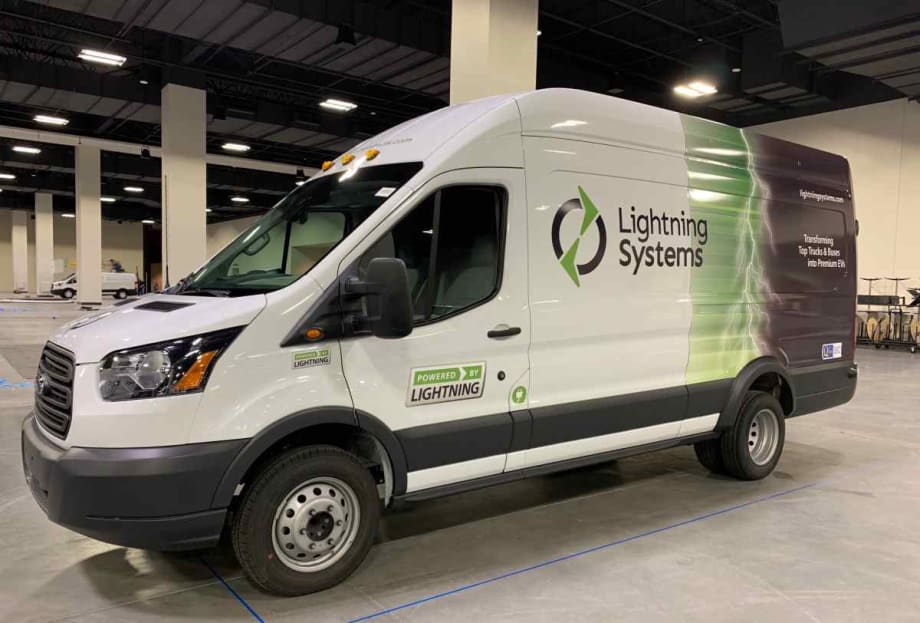
The Generation 2 powertrain for Ford Transit vans has a range of 60 or 120 miles, depending on battery configurations.
Photo courtesy of Lighting Systems
Lightning Systems, a developer of zero-emission drivetrains for commercial fleets, announced the introduction of a longer-range, higher-speed Generation 2 model of its Lightning Electric system for the Ford Transit.
The Lightning Electric Ford Transit is a battery-electric drivetrain package for the Ford Transit 350HD. Thanks to new thermally-managed NMC battery chemistry, the new Generation 2 all-electric powertrain has 20% longer range than Gen 1, with battery configuration options for 60 or 120-mile ranges (based on certified dynamometer testing). In addition, these new batteries are all housed under the floor of the vehicle, with no impact on ground clearance.
The latest powertrain offers peak power of 160 kW (equivalent 215 hp), a torque rating of 994 Nm, (733 lb.-ft.), and a top speed of 65 mph (software limited). The full-electric system is available for the Ford Transit passenger van, cargo van, cutaway, and chassis cab models. The Gen 2 product achieves 61 mpge on certified dyno testing, compared to 13 mpg for the gasoline version of the same vehicle.
Featuring a state-of-the-art, liquid-cooled lithium-ion battery system, the Lightning Electric accommodates a full charge in 1 hour (60-mile range) or 1.5 hours (120-mile range) with Lightning’s DC fast charging option (using standard CCS-Combo charging). Depending on battery option and drive cycle, Lightning Electric Ford Transit has a payload capacity of up to 4,200 lbs.
“Our Generation 1 customers loved the smooth and quiet ride, excellent power, and fit and finish of our Gen 1 Ford Transit all-electric platform,” said Tim Reeser, CEO, Lightning Systems. “We now have built on that foundation and added more range, moved all the batteries under the vehicle, and given it a higher top speed. With the latest certified dynamometer testing, we remain the leaders in tested and certified commercial EV efficiency—no other Class 3 vehicle has certified to 61 mpge (1.8 Miles/kWh).”
Originally introduced in 2018, the Lightning Electric Ford Transit Powertrain is available as part of Ford Motor Company’s eQVM (Advanced Fuel Qualified Vehicle Modifiers) program. The product is available on heavy-duty Transits with a 10,360-lb. gross vehicle weight rating (GVWR). Installation and service are performed by Ford QVM-certified upfitters and dealers around the world.
The powertrain includes a five-year, 60,000-mile warranty with maintenance performed by trained local dealers. Ford’s vehicle warranty covers the base chassis for vehicles with the Lightning Electric upfit and installation can be completed in hours by certified installers. Ford Motor Credit financing is available along with electric vehicle vouchers and incentives, which also are accessible in many states.
More Green Fleet
Sustainability Partners, Energy Systems Group Help Albuquerque Close the Gap on its 100% Renewable Energy Goal
The eight-site, 6 MW solar project has advanced the city toward 100% renewable energy for municipal operations.
Read More →
Port Authority and CALSTART Launch $45 Million Electric Truck and Charging Programs
The programs aim to boost sustainable operations across the East Coast's busiest seaport.
Read More →
Moving Government Fleets Beyond the Vehicle Purchase: EV as a Service
A discussion on how EVaaS is moving beyond pilot programs and what fleets should consider before beginning a larger deployment.
Read More →
Moving Government Fleets Beyond the Vehicle Purchase: EV as a Service
As fleets move beyond small EV pilots, Sustainability Partners CEO Adam Cain explains how EVaaS can address the infrastructure and long-term planning required for larger deployments.
Read More →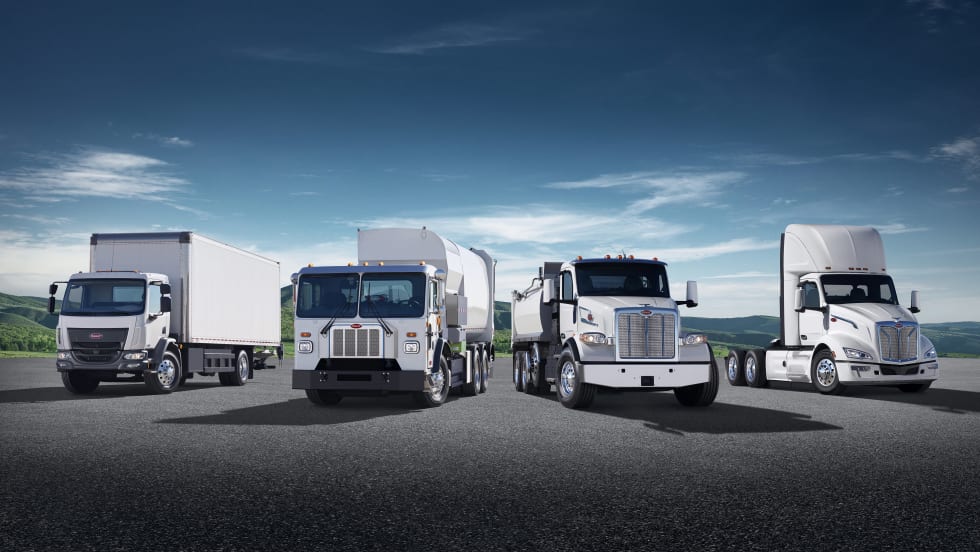
Peterbilt Expands Sourcewell Partnership with Electric Vehicle Lineup
The agreement aims to provide streamlined procurement of Peterbilt trucks for government, education, nonprofit and tribal organizations across the United States and Canada.
Read More →
EV Adoption & Charging Challenges
Where is your fleet in the journey of vehicle electrification? If you're still looking for answers to fleet electrification you've come to the right place.
Read More →
Hawaii Passes Clean Fuel Policy
Hawaii lawmakers passed clean fuel legislation that could support renewable natural gas production, biogas-powered transportation, and lower-carbon fueling options for public and commercial fleets.
Read More →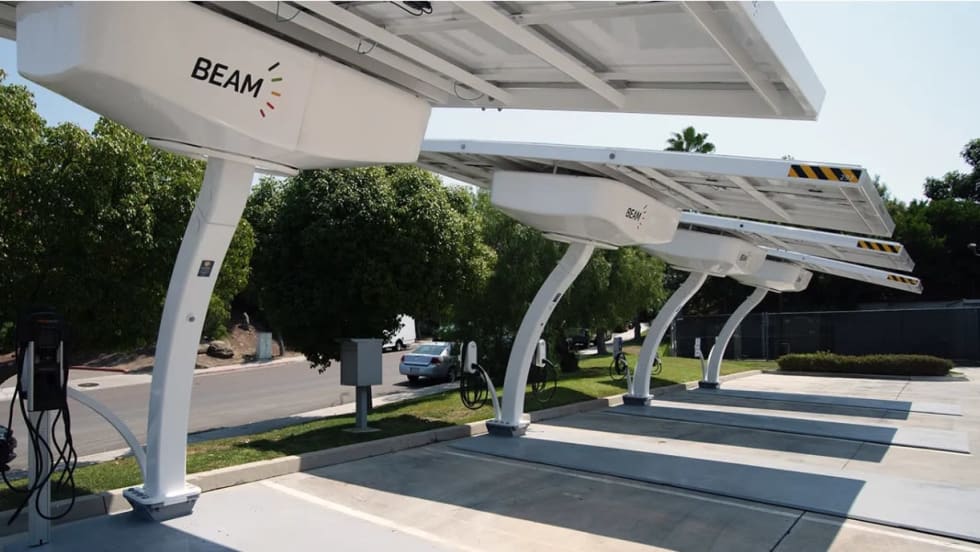
Stanislaus County Deploys Ten Beam Global EV ARC Systems to Support County Fleet Electrification
Stanislaus County deployed 10 off-grid solar-powered EV charging systems and a mobile charging trailer from Beam Global to support its electric fleet operations and emergency response flexibility.
Read More →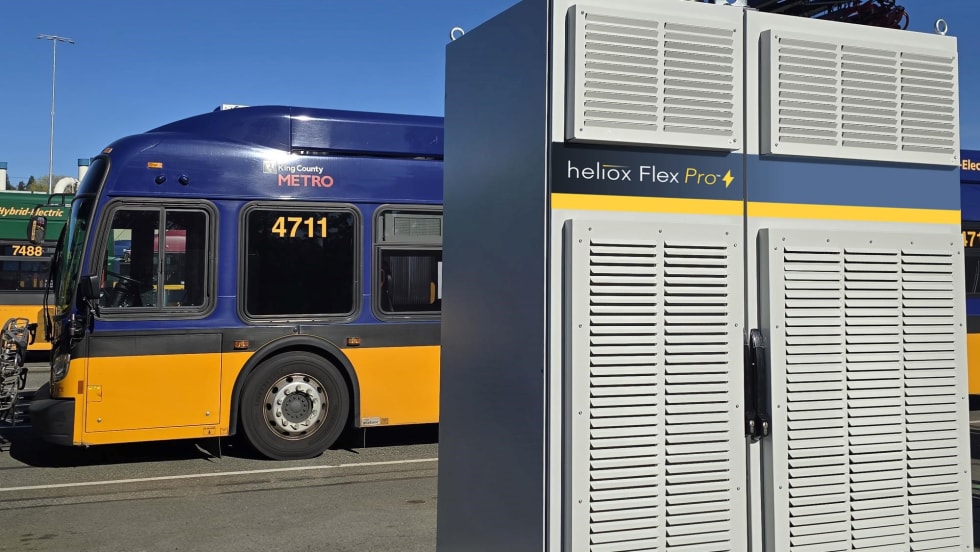
Heliox Pilots 480-kW Bus Charger with King County Metro
King County Metro is piloting Heliox’s new 480-kW Flex Pro charger to support expansion of its battery-electric bus fleet and depot charging infrastructure. The compact charging system supports pantograph and plug-in charging configurations for high-density transit operations.
Read More →