




King County Metro Transit to Order Up to 500 Hybrids for Bus Fleet
SEATTLE – King County Metro Transit in Washington will order up to 500 hybrid buses in the next five years, adding those to its 237 hybrids already on the street.
SEATTLE – King County Metro Transit in Washington will order up to 500 hybrid buses in the next five years, adding those to its 237 hybrids already on the street, according to the Seattle Times. The diesel-electric hybrids will be purchased mainly with federal grants, combined with a local sales tax increase approved by voters last fall. The ballot measure, known as “Transit Now,” will fund more frequent bus service throughout the county.
An initial shipment of 22 hybrid buses will arrive next year. They cost $719,000 each.
The purchase of up to 500 buses could cost as much as $400 million, depending on inflation and the types of buses the county orders. A batch of 100 buses would come in 2009, when Metro launches a new bus rapid-transit service for Ballard, West Seattle, Shoreline, the Redmond-Overlake-Bellevue corridor, and suburbs south of Seattle-Tacoma International Airport. The 2009 buses will have three doors instead of the normal two and a larger entryway up-front. Future orders would include some shorter, 40-foot buses.
Last year Metro operated more than 1,400 buses: 1,035 diesel buses using 20-percent plant-based fuels; 237 hybrids, which also use biodiesel; and 159 electric buses powered by overhead wires. Tests by the U.S. Department of Energy showed that a King County hybrid used 30-percent less fuel than a diesel bus in laboratory simulations. In real Seattle traffic, fuel savings averaged 27 percent, the federal study said.
More Operations
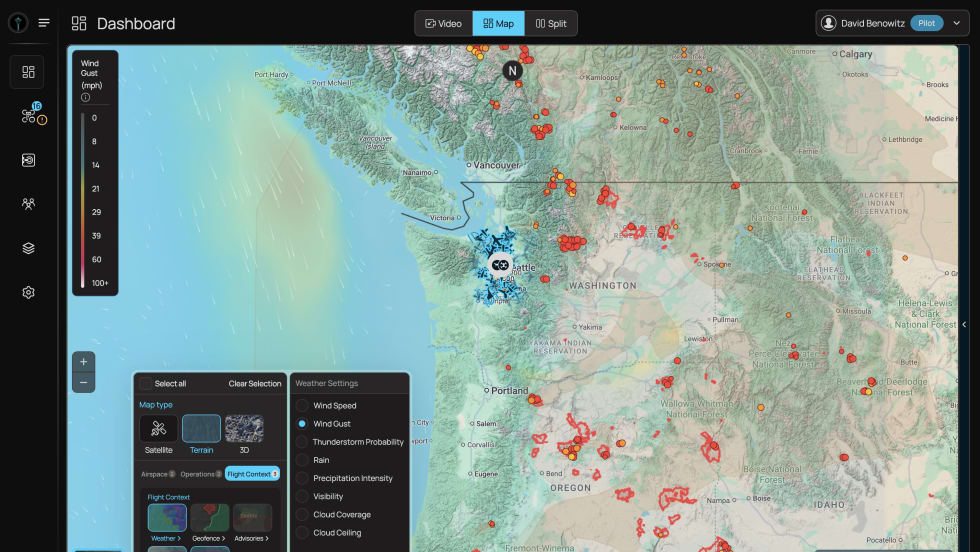
BRINC Drones Adds Free Wildfire and Smoke Tracking as Agencies Across America Battle Active Fires
New map layers give public safety agencies real-time fire detections and smoke conditions integrated directly into LiveOps at no additional cost.
Read More →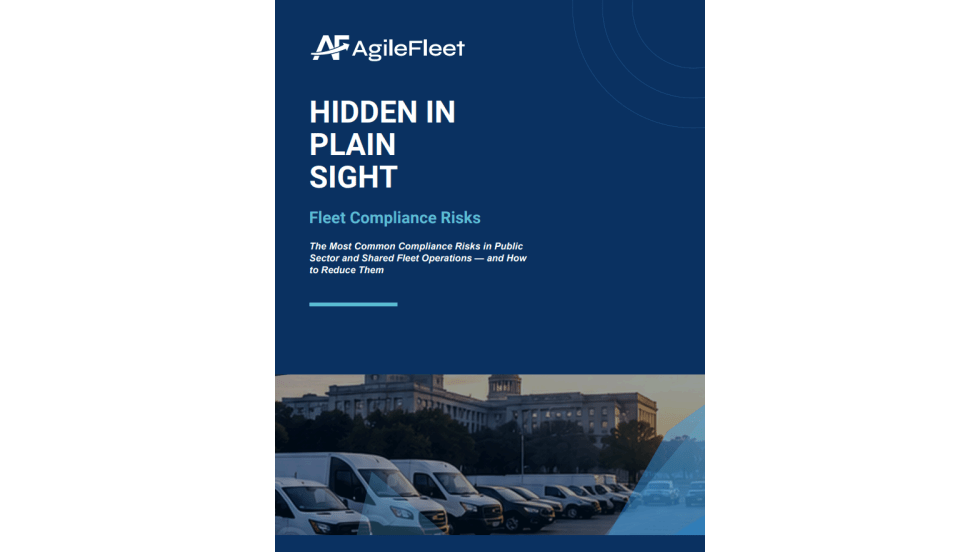
Hidden in Plain Sight: Fleet Compliance Risks
Your fleet may have the right policies, but are they being followed consistently? This practical guide highlights six hidden compliance risks that can undermine public sector and shared fleet operations and shares proven approaches to improve oversight, drive accountability, and maintain audit readiness.
Read More →
Dealing With Workplace Fraud in Fleets
Workplace fraud in government organizations can result in significant financial losses, but understanding its causes and implementing effective controls can help mitigate the risk.
Read More →
Mercury Associates Returns to Independent Ownership
New owners John Martin, Brad Smith, and Daniel Reichmann plan to expand Mercury’s analytical capabilities while continuing to grow the CFMO program.
Read More →
Fleet Technology Targets Inspections, EV Procurement, and Parts Sourcing
How new technology is addressing routine operational challenges, from vehicle inspections to cooperative purchasing.
Read More →
Murfreesboro Fire Rescue Orders Three New Aerial Ladder Trucks
As Murfreesboro's population grows, its fire fleet is growing with it. Three new aerial ladder trucks will replace existing frontline apparatus and equip a new ladder company planned for Station 12.
Read More →
Fleetio Launches PartsTech Integration, Helping Fleets Save up to 15 Minutes on Each Purchase Order
Integration brings parts sourcing and ordering into one connected Fleetio workflow to reduce administrative work.
Read More →
What’s Holding Your Fleet Back?
Catch up on the week with news around creating a more structured operation, examining an outdated garage, and more.
Read More →
When Better Communication Makes Fleets More Efficient
How government fleet operations can use routine communication to address underused vehicles while giving employees and customer departments a clearer way to raise concerns.
Read More →
How Dakota County Built a More Structured Fleet Operation
Kevin Schlangen shares how Dakota County’s fleet moved from reactive repairs and limited oversight to a more structured approach built around planning, training, and long-term cost control.
Read More →