





Keep Reading: When Is Your Fleet Ready For Electric Vehicles?
Jersey City Makes Plans to Scale Up EV Usage
Utilizing grants and residents’ feedback, Jersey City has added 37 electric vehicles to the City’s municipal fleet and built 27 charging stations at key locations citywide.
April 25, 2023
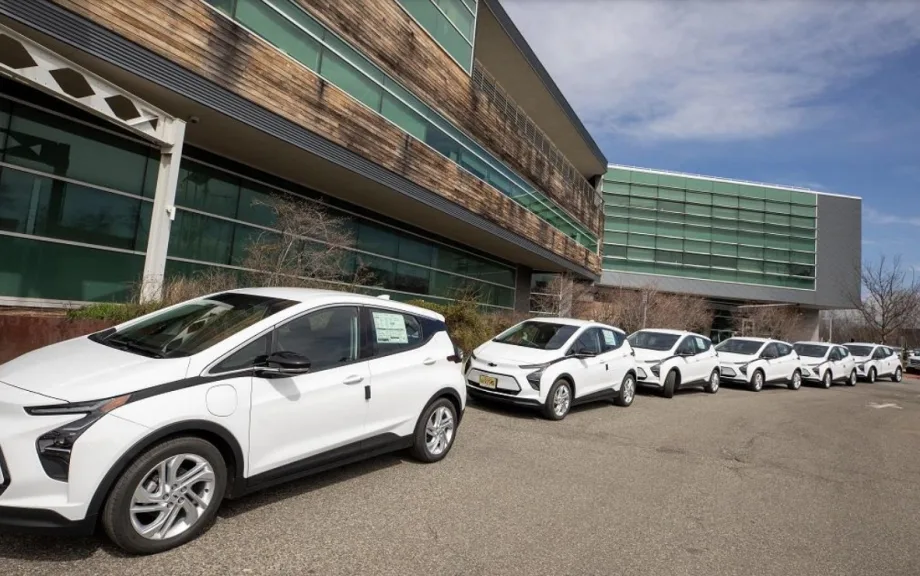
To continue the momentum of transitioning to electric vehicles, 20 new EVs were recently purchased.
Photo: Jersey City
4 min to read
In addition to the recently deployed fleet of electric municipal garbage trucks, Jersey City, New Jersey, is focusing on establishing a strategic citywide electric vehicle (EV) infrastructure through a public/private partnership. To significantly scale up the city’s electrification success, the program will increase municipal and public EV use, reduce harmful pollution and emissions, lower costs for taxpayers, and improve public health overall.
“We are leading the country in electrification and sustainability as we work to achieve a healthier and more equitable city. Incorporating greener technology is a cost-saving, long-term investment benefiting our community, taxpayers, the environment, and most importantly, our residents’ health,” said Mayor Steven M. Fulop. “We are thoughtfully creating an RFP to build a robust multimodal charging infrastructure spanning all Jersey City neighborhoods at no cost to taxpayers to strongly promote EV use and encourage a swift public transition throughout our community. This initiative directly aligns with our commitment to reducing greenhouse gas emissions by 80% by the year 2050.”
Utilizing grants and residents’ feedback, Jersey City has added 37 electric vehicles to the city’s municipal fleet and built 27 charging stations at key locations citywide – 22 of which have dual ports for a total of 49 chargers.
To take it a step further, the fully electric garbage trucks and other municipal EVs are powered by the solar panels installed at the City’s Department of Public Works (DPW) campus in 2020, which also provides electricity to the entire DPW building. Jersey City's addition of electric garbage trucks to the municipal fleet was through a $2 million NJDEP grant and replaced high-polluting diesel trucks.
With the successful deployment of the EV garbage trucks, Jersey City is saving an average of 25 gallons of diesel per truck daily, according to the city.
To continue the positive momentum of transitioning to electric vehicles and providing multimodal charging infrastructure in all of the city’s neighborhoods, 20 new EVs were recently purchased. Jersey City was also recently awarded a $1 million DEP grant to expand from 49 to 89 EV chargers at optimal locations throughout the community to promote more EV use.
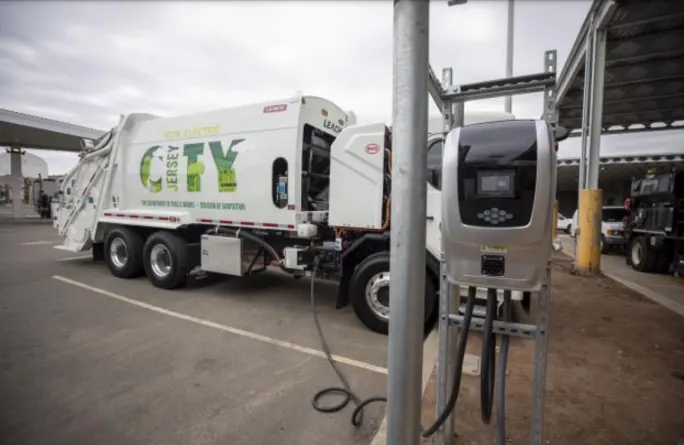
Jersey City recently added electric garbage trucks to the municipal fleet.
Photo: Jersey City
The added chargers will also enhance the city’s efforts to grow Via Jersey City – New Jersey’s first on-demand, city-run rideshare program - from 10% to 100% electric.
“We have already removed over 80 gasoline-powered vehicles since we started this process, swapping them out for electric vehicles and removing the rest entirely to decrease the size of our fleet as we move Jersey City towards more sustainable practices using strategies like our employee car-sharing program,” added Business Administrator John Metro.
The city is focused on transitioning transportation and energy systems to electric power utilizing state and federal grant funding.
Steps toward achieving these goals include:
2017
Joined the “Mayors for Climate” Coalition following President Trump’s withdrawal from the Paris Climate Agreement.
First in NJ to establish EV only parking zones to help foster EV adoption.
2019
Purchased first EV municipal fleet vehicles (Nissan LEAFs).
Installed Jersey City’s first EV municipal fleet chargers.
2020
Mayor Fulop signed Executive Order mandating 10% of all newly purchased or leased municipal vehicles must be electric.
Executive Order also enacted policies to transition the municipal fleet to 100% electric where available by 2030 and cut emissions 80% by 20250.
Launched first municipal car-sharing program for optimal size and efficiency, while also eliminating underused vehicles to drastically reduce greenhouse gas emissions.
Solar panels installed at DPW, providing electricity to the building and EV charging stations through the 1.23 Megawatt solar array.
Launched Via Jersey City, becoming one of the first transit systems in the country to use EVs, with over 10% of the current fleet being fully electric and moving towards nearly all electric.
Added 8 Nissan LEAFs to municipal fleet.
Piloted 4 fully electric police vehicles within the Jersey City Police Department fleet.
2021
Released a comprehensive Climate and Energy Action Plan detailing strategic framework for measuring, planning, and reducing greenhouse gas emissions and related climatic effects.
Joined the United Nations’ Race to Zero campaign, pledging our commitment to becoming a carbon-neutral city by mid-century.
2022
Deployed 5 fully electric garbage trucks - a first for an East Coast city.
Purchased 20 new EVs (Chevy Bolts) for municipal car-sharing program using grants.
2023
Awarded $1 million NJDEP grant to install 20 new dual-port charging stations.
More Green Fleet
Sustainability Partners, Energy Systems Group Help Albuquerque Close the Gap on its 100% Renewable Energy Goal
The eight-site, 6 MW solar project has advanced the city toward 100% renewable energy for municipal operations.
Read More →
Port Authority and CALSTART Launch $45 Million Electric Truck and Charging Programs
The programs aim to boost sustainable operations across the East Coast's busiest seaport.
Read More →
Moving Government Fleets Beyond the Vehicle Purchase: EV as a Service
A discussion on how EVaaS is moving beyond pilot programs and what fleets should consider before beginning a larger deployment.
Read More →
Moving Government Fleets Beyond the Vehicle Purchase: EV as a Service
As fleets move beyond small EV pilots, Sustainability Partners CEO Adam Cain explains how EVaaS can address the infrastructure and long-term planning required for larger deployments.
Read More →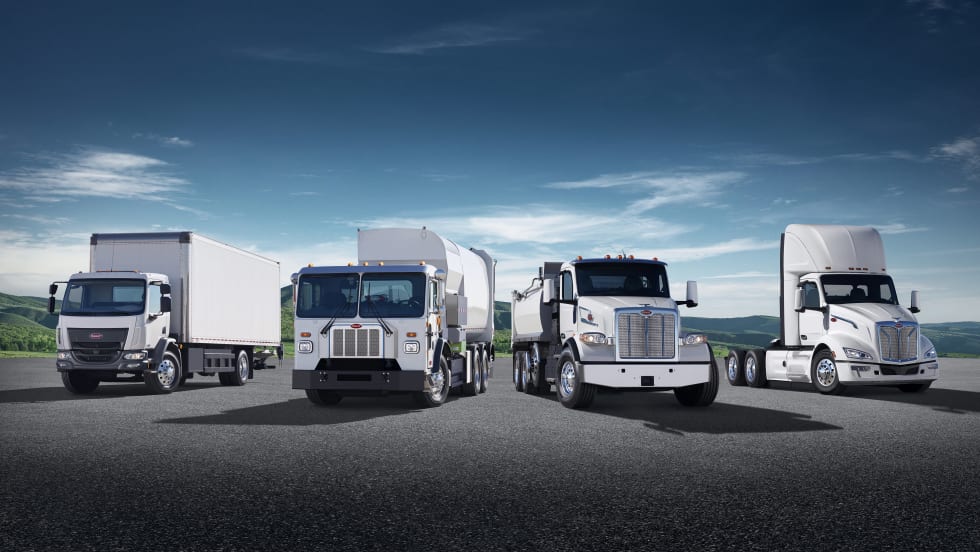
Peterbilt Expands Sourcewell Partnership with Electric Vehicle Lineup
The agreement aims to provide streamlined procurement of Peterbilt trucks for government, education, nonprofit and tribal organizations across the United States and Canada.
Read More →

EV Adoption & Charging Challenges
Where is your fleet in the journey of vehicle electrification? If you're still looking for answers to fleet electrification you've come to the right place.
Read More →
Hawaii Passes Clean Fuel Policy
Hawaii lawmakers passed clean fuel legislation that could support renewable natural gas production, biogas-powered transportation, and lower-carbon fueling options for public and commercial fleets.
Read More →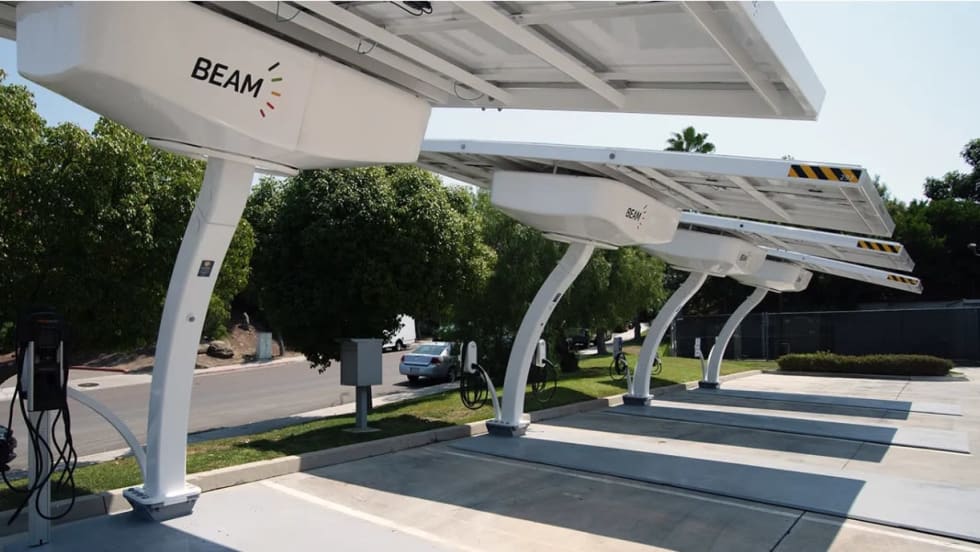
Stanislaus County Deploys Ten Beam Global EV ARC Systems to Support County Fleet Electrification
Stanislaus County deployed 10 off-grid solar-powered EV charging systems and a mobile charging trailer from Beam Global to support its electric fleet operations and emergency response flexibility.
Read More →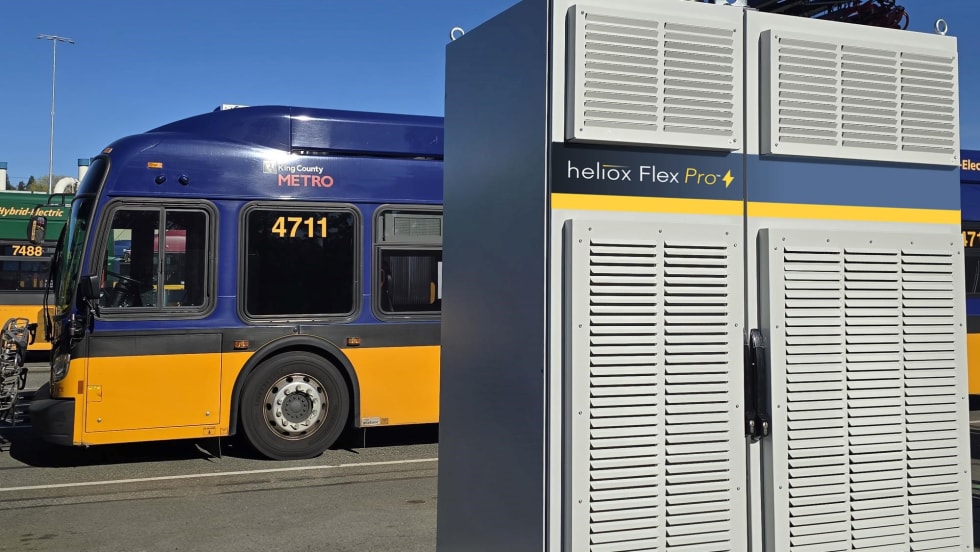
Heliox Pilots 480-kW Bus Charger with King County Metro
King County Metro is piloting Heliox’s new 480-kW Flex Pro charger to support expansion of its battery-electric bus fleet and depot charging infrastructure. The compact charging system supports pantograph and plug-in charging configurations for high-density transit operations.
Read More →