




City of Jacksonville Finalizes City Vehicle, Car Allowance Policy
JACKSONVILLE, FL – The policy addresses park and ride and take-home vehicle assignments and eligibility.
JACKSONVILLE, FL – The City of Jacksonville, Fla., recently adopted an internal vehicle and car allowance policy. Deputy Chief Administrative Officer Kerri Stewart presented the policy to the City Council Finance Committee in November 2008. No additions or amendments were made by the council, according to the Jax Daily Record.
According to the language in the policy, the idea is to "formalize the decision-making criteria to be utilized for determining the need for take-home vehicles and for establishing automobile allowances for city employees."
Stewart said Finance member Clay Yarborough asked to look at the policy she presented in mid-November.
The policy essentially addresses two types of City vehicles — park and ride or take-home — and those employees who get a vehicle allowance. Those who get park and ride vehicles or take-home vehicles are eligible based solely on their position.
Vehicles are assigned by the department director or their designee and must have the approval of both Human Resources and Fleet Management.
At least one of the three following criteria must be satisfied for an employee to be assigned a City vehicle:
The public must know the driver represents the City (emergency responder, field inspector, parking enforcement, etc.)
The position requires travel that may damage a personal vehicle, such as Public Works personnel who travel off paved roads.
The position requires driving over 700 miles a month, excluding round trip to and from home.
At least one of the three following criteria must be met for an employee to be eligible for a take-home vehicle:
The position requires the person be on-the-clock and at work the moment they leave their residence.
The position involves routinely reporting to work at multiple city locations.
The position involves routinely leaving work from multiple city locations.
Again, Fleet Management will oversee these vehicles and these assignments will come under the scrutiny of the Mayors Budget Review Committee.
Three of the following criteria are required for an employee to be eligible for an automobile allowance:
Unless approved by the City's Ordinance Code, the position must be an appointed official, mayor's aide or one designated by the mayor or a designee
The position must require driving at least 200 miles a month, not counting commute mileage. This requirement can be waived by the mayor or their designee for valid business reasons.
All requests must be in writing in a form approved by the chiefs of both Human Resources and Fleet Management and those requests require mayoral approval.
Those who drive 200-400 miles a month will be give car allowances of $300 a month while those who drive 401-1,000 miles a month will be given allowances of $500 a month.
"They will have to justify their need for a vehicle or allowance," said Stewart, who admitted the internal discussions were lively. "This did spark a lot of conversation."
Stewart said there are 175 vehicles in Fleet Management while 16 people have monthly car allowances as part of their compensation packages.
More Green Fleet

Sustainability Partners, Energy Systems Group Help Albuquerque Close the Gap on its 100% Renewable Energy Goal
The eight-site, 6 MW solar project has advanced the city toward 100% renewable energy for municipal operations.
Read More →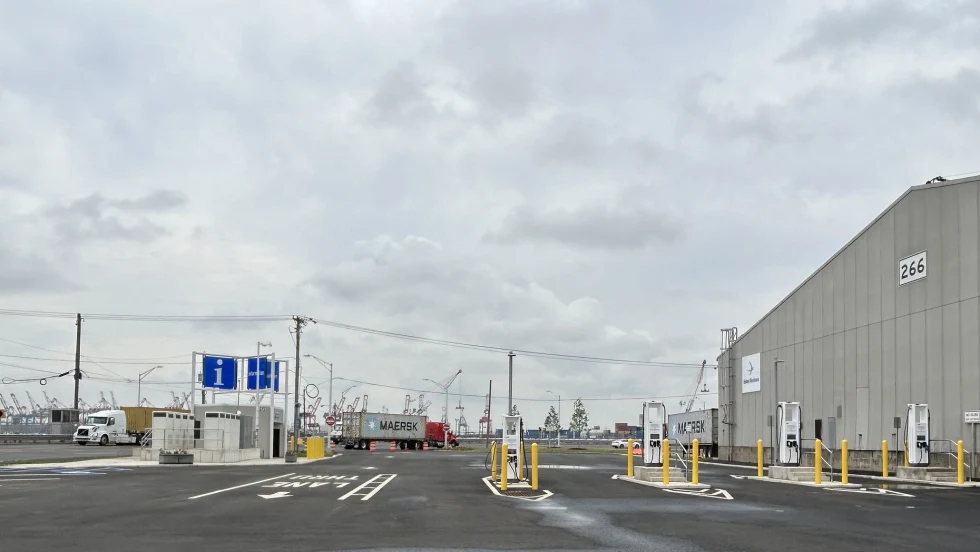
Port Authority and CALSTART Launch $45 Million Electric Truck and Charging Programs
The programs aim to boost sustainable operations across the East Coast's busiest seaport.
Read More →
Moving Government Fleets Beyond the Vehicle Purchase: EV as a Service
A discussion on how EVaaS is moving beyond pilot programs and what fleets should consider before beginning a larger deployment.
Read More →
Moving Government Fleets Beyond the Vehicle Purchase: EV as a Service
As fleets move beyond small EV pilots, Sustainability Partners CEO Adam Cain explains how EVaaS can address the infrastructure and long-term planning required for larger deployments.
Read More →
Peterbilt Expands Sourcewell Partnership with Electric Vehicle Lineup
The agreement aims to provide streamlined procurement of Peterbilt trucks for government, education, nonprofit and tribal organizations across the United States and Canada.
Read More →
EV Adoption & Charging Challenges
Where is your fleet in the journey of vehicle electrification? If you're still looking for answers to fleet electrification you've come to the right place.
Read More →
Hawaii Passes Clean Fuel Policy
Hawaii lawmakers passed clean fuel legislation that could support renewable natural gas production, biogas-powered transportation, and lower-carbon fueling options for public and commercial fleets.
Read More →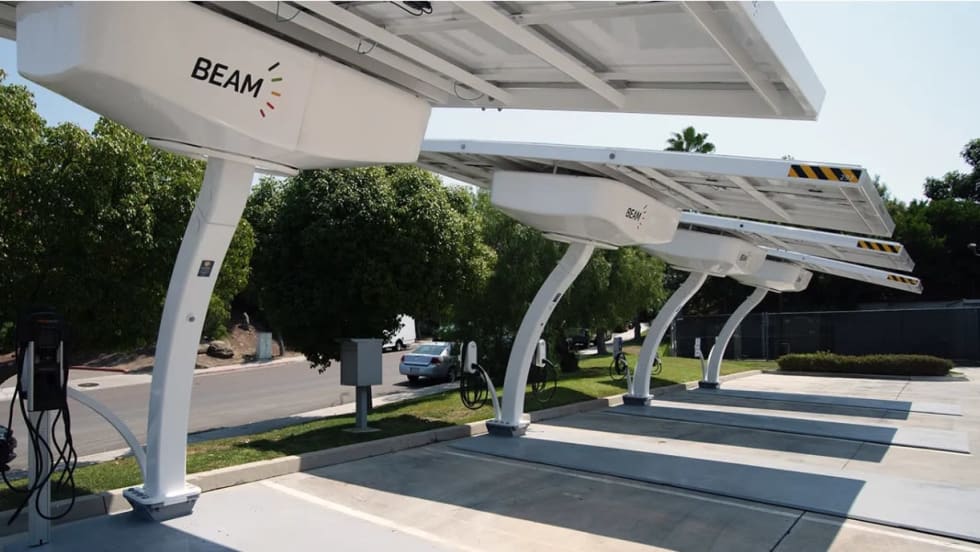
Stanislaus County Deploys Ten Beam Global EV ARC Systems to Support County Fleet Electrification
Stanislaus County deployed 10 off-grid solar-powered EV charging systems and a mobile charging trailer from Beam Global to support its electric fleet operations and emergency response flexibility.
Read More →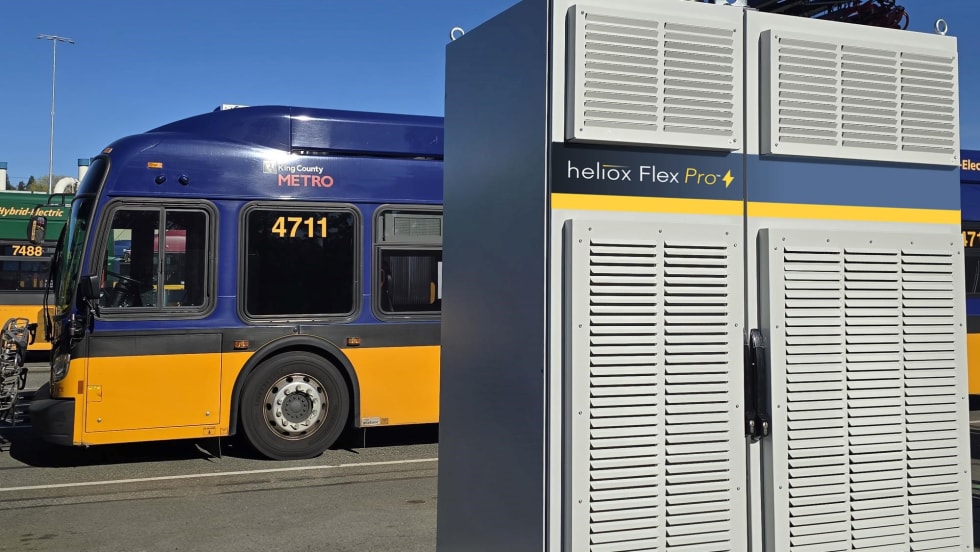
Heliox Pilots 480-kW Bus Charger with King County Metro
King County Metro is piloting Heliox’s new 480-kW Flex Pro charger to support expansion of its battery-electric bus fleet and depot charging infrastructure. The compact charging system supports pantograph and plug-in charging configurations for high-density transit operations.
Read More →