




Indianapolis' EV Fleet Embroiled in Controversy
The City of Indianapolis mayor's bid to roll out the largest municipal fleet of electrified vehicles has become entangled in opposition from city leaders, the threat of a lawsuit to halt it, and complaints from city departments in recent weeks.

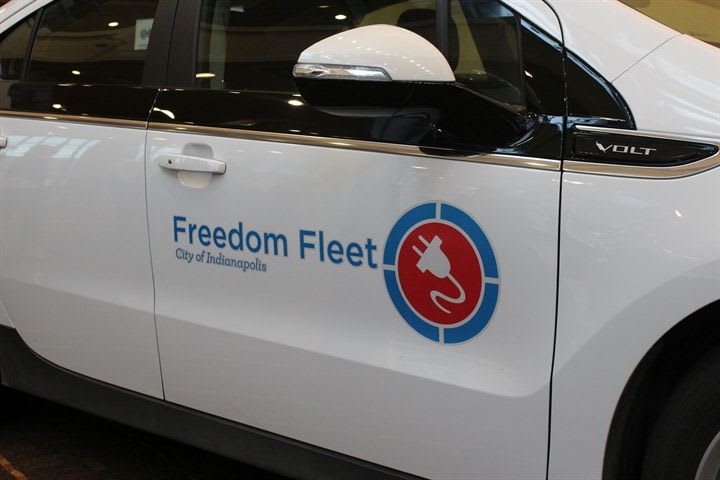
Photo courtesy of Vision Fleet.
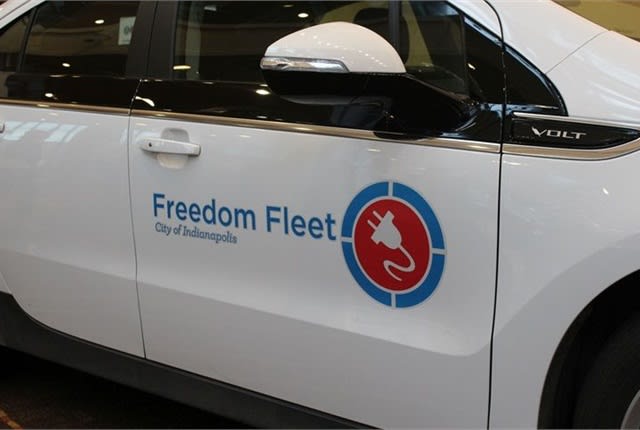
Photo courtesy of Vision Fleet.
The City of Indianapolis mayor's bid to roll out the largest municipal fleet of electrified vehicles has become entangled in opposition from city leaders, the threat of a lawsuit to halt it, and complaints from city departments in recent weeks.
The Indianapolis City-County Council is considering suing Mayor Greg Ballard’s administration over a 425-vehicle lease contract for electric cars. The council committee voted to sue the administration last week, and the full council will vote on the issue on June 8 unless an agreement can be reached before then, according to Fox59.
The council accused the mayor’s legal counsel and the Department of Public Works of circumventing the city’s procurement policies when they signed the seven-year lease agreement. The administration signed the contract without council approval, and council members say they should have been able to vote on the project, Fox59 reported.
The Ballard administration’s goal was to deploy the largest municipal fleet of electric vehicles in the nation and reduce dependence on gasoline while saving the city money. To do so, it partnered with Vision Fleet, which provided the vehicles and made recommendations on where these vehicles should be deployed after studying fleet utilization.
Mayor Ballard defends the EV program and points to "sloppy legal work" causing problems with the contract, CBS4Indy reported.
Other objections to the contract came from police officers and union technicians. In the past month, city officials have questioned whether the initiative will actually save the city money, whether the trunk on the Chevrolet Volt is safe to store a rifle, the release of a heavily redacted copy of the contract, and the discovery of a second backdated contract.
In response, Vision Fleet released a full, unredacted copy of the agreement, and CEO Michael Brylawski told Government Fleet the company is working directly with the Police Department for a vehicle with a secure trunk for those employees who need to store rifles. The Police Department is using the EVs for non-pursuit purposes, and Brylawski pointed out that the Volts have secure storage for small firearms. The company is also stated it is willing to make changes to the agreement to satisfy questions and concerns from the council.
The council members who voted to sue the administration stated the EV transition was a good idea, but that it had not been handled properly internally.
Ballard’s Deputy Chief of Staff David Rosenberg questioned the council's move to halt the initiative midway through its implementation. Rosenberg accused council members of attempting to garner headlines ahead of the May 5 primary election.
"That’s somewhat odd timing, since we’ve done almost half of the implementation of the Vision Fleet program and this issue is just arriving with the councilors," Rosenberg said.
So far, 180 vehicles have been deployed, and Brylawski and Rosenberg said these vehicles are saving the city money.
"We see how much they’re driving; we see how much energy they use. We know where they plug it in at and for how long. It is absolutely saving money, even more than we had predicted," Rosenberg said.
In a report prepared for the council, the first 135 vehicles deployed had driven more than 269,000 electric miles, or 47% of total miles driven on these vehicles, between April 2014 and April 2015.
Vision Fleet charges the city per mile driven, with incentives for better and more efficient use of fewer assets. The report indicated that the city will pay $0.65 per mile, which is 14% lower than the $0.75 it was forecast to pay under its business-as-usual case. Potential savings to the city could be $7.4 million over the life of the vehicles.
Additionally, providing EVs to police personnel performing administrative duties has allowed the Police Department to reassign 41 pursuit-rated vans to patrol duty, the report stated.
More Green Fleet

Sustainability Partners, Energy Systems Group Help Albuquerque Close the Gap on its 100% Renewable Energy Goal
The eight-site, 6 MW solar project has advanced the city toward 100% renewable energy for municipal operations.
Read More →
Port Authority and CALSTART Launch $45 Million Electric Truck and Charging Programs
The programs aim to boost sustainable operations across the East Coast's busiest seaport.
Read More →
Moving Government Fleets Beyond the Vehicle Purchase: EV as a Service
A discussion on how EVaaS is moving beyond pilot programs and what fleets should consider before beginning a larger deployment.
Read More →
Moving Government Fleets Beyond the Vehicle Purchase: EV as a Service
As fleets move beyond small EV pilots, Sustainability Partners CEO Adam Cain explains how EVaaS can address the infrastructure and long-term planning required for larger deployments.
Read More →
Peterbilt Expands Sourcewell Partnership with Electric Vehicle Lineup
The agreement aims to provide streamlined procurement of Peterbilt trucks for government, education, nonprofit and tribal organizations across the United States and Canada.
Read More →
EV Adoption & Charging Challenges
Where is your fleet in the journey of vehicle electrification? If you're still looking for answers to fleet electrification you've come to the right place.
Read More →
Hawaii Passes Clean Fuel Policy
Hawaii lawmakers passed clean fuel legislation that could support renewable natural gas production, biogas-powered transportation, and lower-carbon fueling options for public and commercial fleets.
Read More →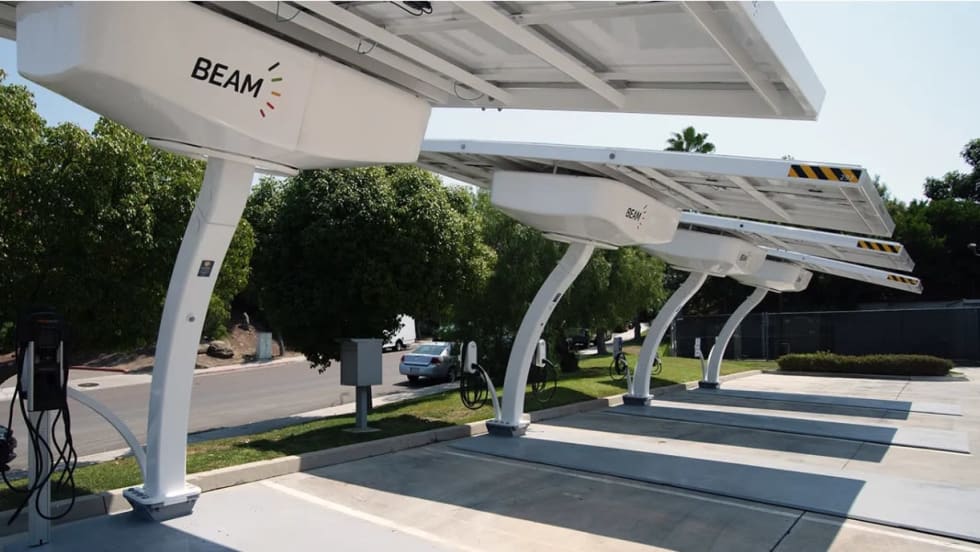
Stanislaus County Deploys Ten Beam Global EV ARC Systems to Support County Fleet Electrification
Stanislaus County deployed 10 off-grid solar-powered EV charging systems and a mobile charging trailer from Beam Global to support its electric fleet operations and emergency response flexibility.
Read More →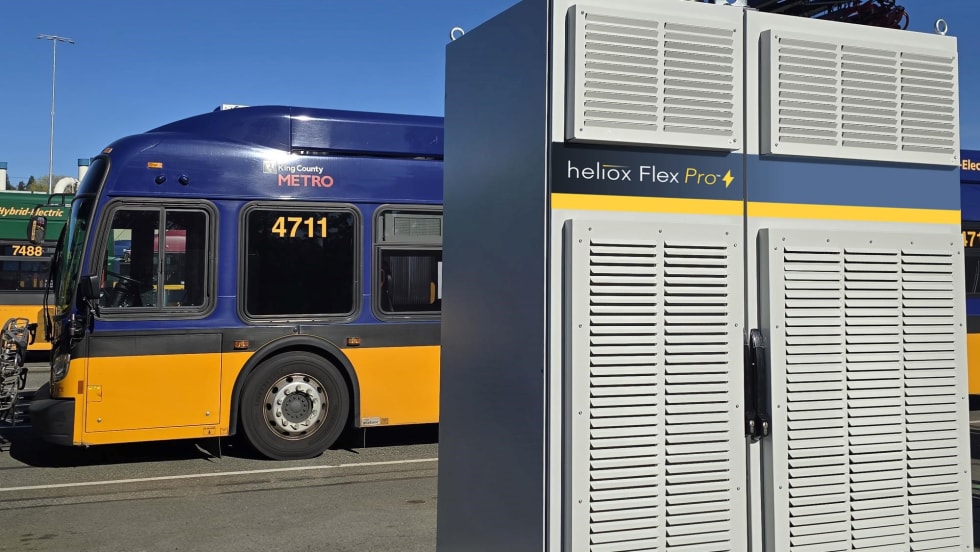
Heliox Pilots 480-kW Bus Charger with King County Metro
King County Metro is piloting Heliox’s new 480-kW Flex Pro charger to support expansion of its battery-electric bus fleet and depot charging infrastructure. The compact charging system supports pantograph and plug-in charging configurations for high-density transit operations.
Read More →