




Improper Upfitting Caused Carbon Monoxide Exposure in P.I. Utility, Ford Says
Responding to concerns about carbon monoxide exposure in Ford Police Interceptor Utility vehicles, Ford cited improperly sealed holes in the body of the vehicles that were created during the upfitting process.

Photo of Police Interceptor Utility courtesy of Ford.
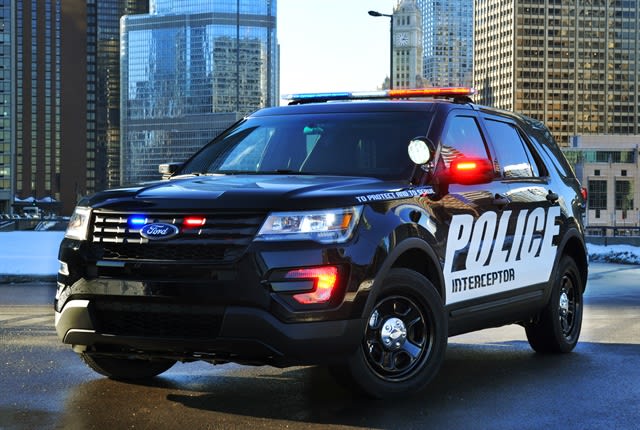
Photo of Police Interceptor Utility courtesy of Ford.
Responding to concerns about carbon monoxide exposure to officers using Ford Police Interceptor Utility patrol SUVs, Ford said today the issues experienced by some law enforcement agencies are a result of improperly sealed holes in the body of the vehicles that were created during the process of upfitting them for police duty.
Bill Gubing, chief engineer for the Ford Explorer program, said the company has sent task forces out to investigate the carbon monoxide incidents, and the company's specialists have found open holes and uncovered spaces in the rear of the vehicles. Gubing explained that the aerodynamics of the Ford Explorer design causes air to swirl at the back of the SUV, which pushes the gas into the openings. He added the carbon monoxide problem does not occur in police sedans because the gas is captured by the trunk and does not enter the cabin.
Ford produces a modifiers guide to be used by the upfitters, but Gubing said some are not following the instructions. "It's safe to say [the modifications] were not done as good as they could have been," he said.
During a Web briefing, Gubing showed numerous photos of open holes at the rear of the vehicles, including their undersides, where upfitters had run control and power wires for lights and other police systems and had not sealed them properly. He said the problems can be remedied by sealing the holes with mastic and special foam gaskets.
Ford is covering the cost for these repairs, regardless of the age of the vehicle, its mileage, or who is responsible for the body leaks. He said Ford teams are working closely with agencies getting their affected vehicles back on the road.
Gubing said Ford is also working with the National Highway Traffic Safety Administration (NHTSA) regarding concerns that exhaust manifolds have been cracking on Explorers. He said no evidence has been found of cracks in the manifolds, and there have been no reports of carbon monoxide issues with consumer Explorers.
Law enforcement agencies concerned about carbon monoxide leaks in their Ford Police Interceptor Utility SUVs can contact their local Ford dealers for repairs. Ford has also set up a hotline at (888) 260-5575 to answer questions about the issue.
Gubing said that even though some reports of carbon monoxide issues with the Ford Police Interceptor Utility SUVs have been reported, the problem is not common. "The vast majority of vehicles out there do not have this issue," he said.
UPDATE: Ford has issued a fact sheet with photos showing unsealed holes from aftermarket installations.
More Police

Ford Pro Introduces Full-Size 2028 Expedition Police Responder
Ford Pro gave law enforcement customers a first look at the pursuit-rated utility during Police Fleet Expo.
Read More →
Paterson Police Expand Drone Fleet, Launch Real-Time Operations Center
The Paterson Police Department has expanded its drone program and opened a new Real-Time Operations Center designed to support emergency response and incident management. The initiative integrates multiple technologies to provide officers with real-time information during investigations and public safety operations.
Read More →
Why Public Fleet Success Depends on More Than the Vehicles
Tim Coxwell of the Leon County Sheriff’s Office discusses the projects shaping his fleet operation, including long-term work around vehicle selection, greenhouse gas emissions, and cost per mile.
Read More →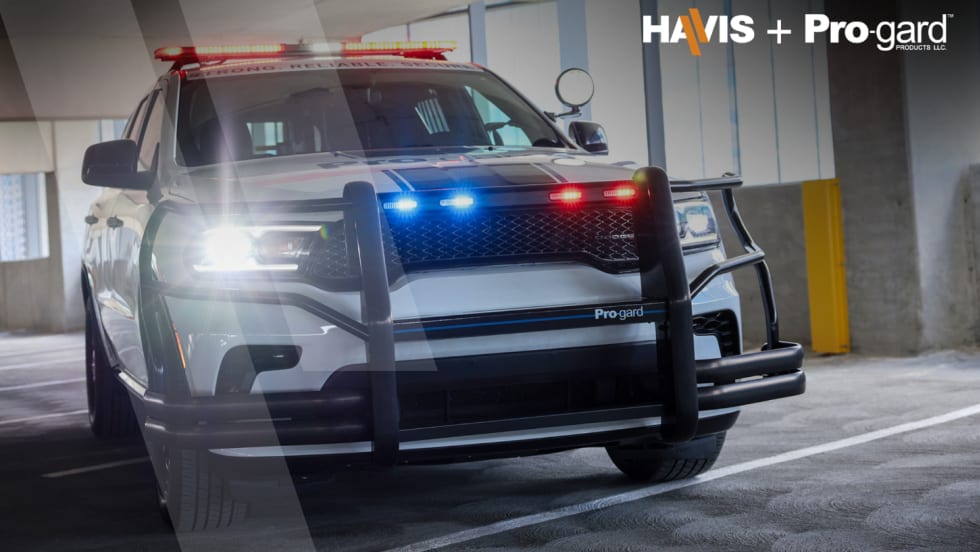
Havis Acquires Pro-gard Products
The acquisition brings together two manufacturers of public safety vehicle equipment under one company. Havis says the move expands its portfolio of products for outfitting law enforcement vehicles and other public safety fleets.
Read More →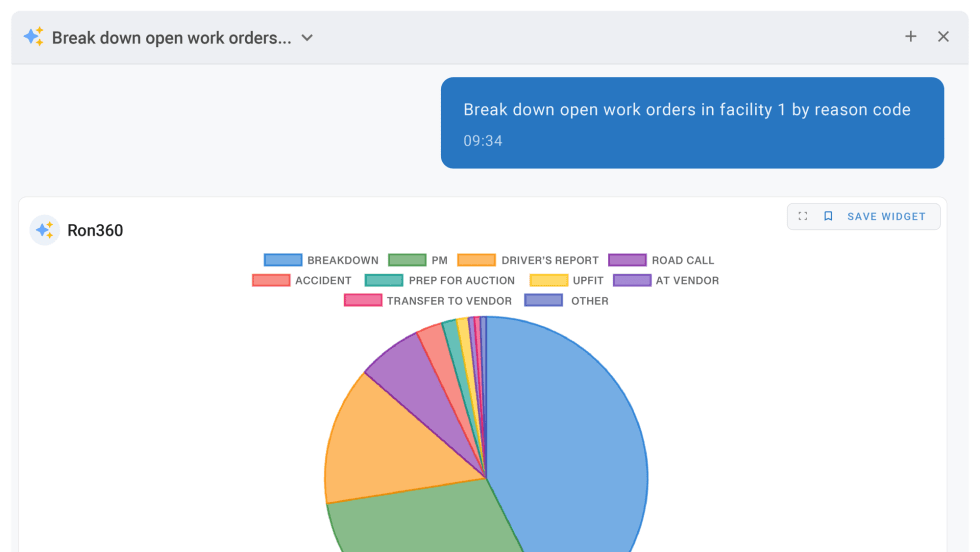
RTA Fleet Introduces AI Assistant for Fleet360 Platform
As artificial intelligence continues to gain traction across public-sector operations, fleet software providers are finding new ways to incorporate the technology into everyday workflows. RTA's latest addition aims to simplify how users interact with fleet data.
Read More →
2026 Police Fleet Innovators Named
Meet the professionals finding new ways to solve some of law enforcement's toughest fleet challenges.
Read More →
Rynse Expands Nationwide Fleet Wash Access for Law Enforcement
The North Carolina Sheriff’s Association Contract Cooperative purchasing contract aims to streamline procurement process for law enforcement agencies across the U.S.
Read More →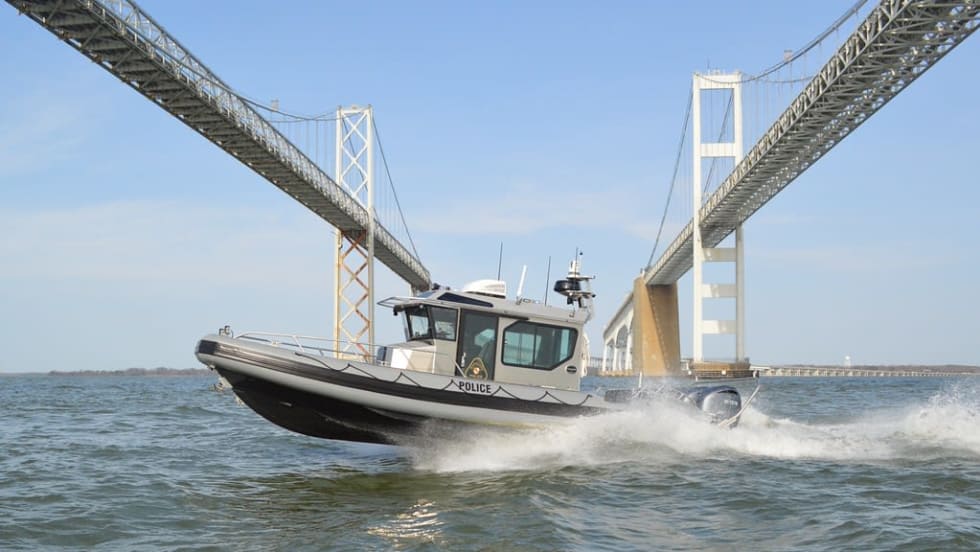
Maryland Natural Resources Police Adds 31-Foot Patrol Boat to Enforcement Fleet
A new addition to Maryland’s marine enforcement fleet is bringing expanded capabilities to Chesapeake Bay operations while honoring a legacy within the agency. The high-performance patrol vessel reflects how law enforcement fleets are adapting to growing demands on the water.
Read More →
LEHR Expands Florida Presence With Enforcement One Acquisition
LEHR has acquired Florida-based emergency vehicle upfitter Enforcement One, marking its eighth add-on acquisition.
Read More →
Maryland’s Wicomico County Sheriff Adds Mustang GT Patrol Vehicles
The agency is also working with the Maryland Police Training Commission on a specialized high-performance driving course for deputies assigned to the vehicles.
Read More →