




Two Idaho Companies Offer Yamaha Police Motorcycles
Two Idaho-based companies have introduced differing law enforcement versions of Yamaha's FJR-1300 sport-touring motorcycle.
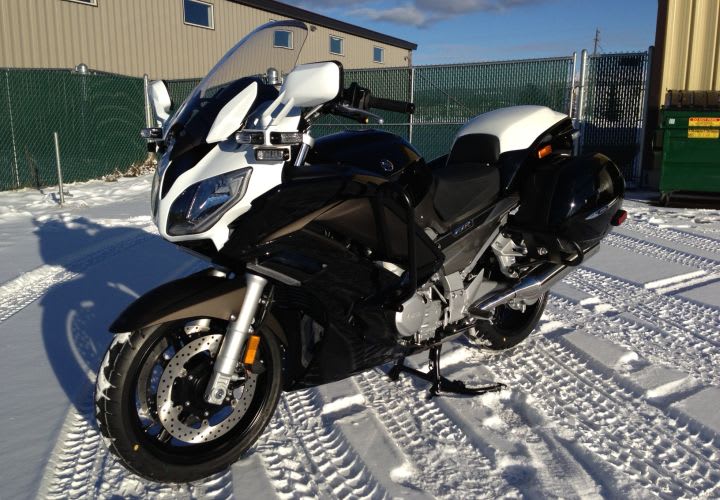
Photo courtesy Steve Beaudry.
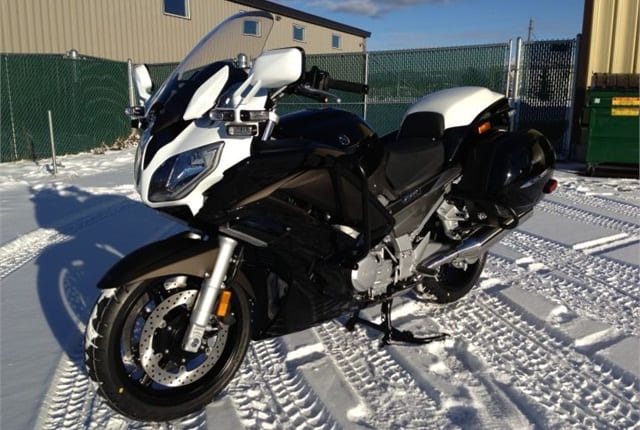
Photo courtesy Steve Beaudry.
Two Idaho-based companies have introduced differing law enforcement versions of Yamaha's FJR-1300 sport-touring motorcycle.
Steve Beaudry, who offered the Kawasaki Concours 14P motorcycle is prepping the 2013 Yamaha FJR-1300AP for law enforcement use. Like the Concours 14P, the cycle is a conversion of a retail bike. Beaudry tells POLICE Magazine the motorcycle will include features to handle the rigors of police work.
Separately, Enforcement Motors is offering the Yamaha FJR-1300P. Agencies can build a police motorcycle from the company's standard Law Enforcement package and add other needed accessories and equipment, according to the company's website.
Beaudry's Yamaha FJR-1300AP will arrive with a Whelen LED emergency lighting system (with 32 flash patterns), hidden Whelen 100-watt three-tone siren system, dual-linked battery system with 12 fused police-only circuits, front and rear 12-volt accessory sockets, front and rear protection bars, and height-adjustable solo saddle with heated seat option.
Both cycles retain several features from the civilian version such as anti-lock brakes, traction control, electronic cruise control, a "wet" hydraulic clutch, 6.6-gallon tank, and removable saddle bags.

Photo courtesy Steve Beaudry.
The cycle is powered by a four-cylinder, 1,298cc inline engine that generates 150 hp to propel the bike from 0-60 in 3.18 seconds. The Yamaha FJR-1300AP is being considered by the Michigan State Police for their annual police vehicle testing in September.
The motorcycles will sell for between $17,000 and $22,000 depending on configuration. Enforcement Motors has an exclusive right to sell its version of the motorcycle in Arizona.
By Paul Clinton
Updated 4/12/2013 with new information about Enforcement Motors' vehicle.
More Operations

Is Keeping Older Fleet Vehicles Really Saving Money?
Is keeping vehicles longer saving money, and what happens when a diagnostic test points to the wrong fix?
Read More →
How Smart Fleet Strategy Can Help Local Government Agencies Do More with Less
Keeping a vehicle longer may ease this year’s budget, but what does it cost the next one? A closer look at fleet decisions can reveal opportunities to reduce spending while protecting essential services.
Read More →
Connect with Government Fleet on LinkedIn
From industry news and fleet management strategies to conversations with peers, Government Fleet's LinkedIn page offers public-sector fleet professionals another way to stay informed and connected.
Read More →
Town of Queen Creek Named Most Successful Fleet Award Winner of Inaugural RTA Fleet Success Awards
Five fleets were honored at RTA Connect 2026 in Chicago for excellence across resource efficiency, intentional culture, risk management, and stakeholder satisfaction.
Read More →
A buyer's guide to fleet management software in 2027
Buying fleet management software in 2027 means looking beyond features and price. As fleet operations, technology and expectations evolve, this guide explores what today’s fleet professionals should consider when choosing a system that can deliver value now and adapt to what comes next.
Read More →
Hazard Alerts, Fleet Car Sales Rise and a New Shuttle Concept
Fleet car sales doubled, but the bigger picture tells a different story in this week’s roundup.
Read More →
How St. Johns County Turned Fleet Data Into Better Replacement Decisions
St. Johns County, Florida, had fleet data, but turning it into reliable decision guidance was another matter. Instead of starting over with a new fleet management system, the county connected existing tools and built a scoring system that gives managers an objective look at fleet health.
Read More →
Fleet Forward Conference Introduces One-Day Passes for 2026
New one-day registration lets fleet professionals attend Tuesday, Wednesday, or Thursday, with passes available for $249.
Read More →
ENC Unveils its ZAVIR Medium-Duty Shuttle
Two variants of the concept shuttles were revealed: a low-floor configuration and a high-floor configuration.
Read More →
Could Your Next Fleet Technician Start as an Intern?
What if your next technician hasn’t worked in a fleet shop yet? What fleets are doing to free up time.
Read More →