





Dive Deeper: U.S. Fatalities Skyrocket While Other Nations See Big Declines
Higher Collisions, Fatalities Not Linked to Marijuana Legalization
A study from the Canadian Institute of Actuaries and the Casualty Actuarial Society analyzed the impact of marijuana decriminalization on motor vehicle crashes in both Canada and the U.S.
December 20, 2022

While experts say marijuana use before driving can impair motor and cognitive skills, new research indicates no statistically significant impacts of decriminalization on the accident fatality rate.
Photo: Aphiwat chuangchoem
2 min to read
A new study based on insurance statistics finds no evidence of a link between the legalization of marijuana and higher collision and/or fatality rates, according to a new report.
Specifically, the Canadian Institute of Actuaries (CIA) and the Casualty Actuarial Society (CAS) analyzed the impact of marijuana decriminalization on the vehicular accident experience in both Canada and the United States. The study did not detect any statistically significant impacts of decriminalization on the car accident fatality rate, insurance claim frequency, or average cost per claim, particularly over the long term.
As it concerns Canada, the evaluation showed there were no significant changes to the trend and seasonal variations in that country’s traffic accidents after the change in legal status of marijuana. So, too, the estimated statewide effects of recreational legalization in the U.S. do not show any consistent, significant results that would support a conclusion that decriminalization led to an increase in road accidents or fatalities.
Noteworthy, the authors of the study state that “temporal patterns of human activity such as yearly, weekly and daily cycles,” as well as poor driving conditions that come with inclement weather are far better predictors of vehicle crashes than marijuana decriminalization.
However, previous research in the U.S. tells a different story. The Insurance Institute for Highway Safety (IIHS) and the Highway Loss Data Institute conducted a series of studies since 2014 examining how legalization has affected crash rates and insurance claims in the first states to legalize recreational use.
In June 2021, the IIHS published findings regarding the most recent of these studies, which showed that injury and fatal crash rates in California, Colorado, Nevada, Oregon, and Washington jumped in the months following the relaxation of marijuana laws in each state.
Combined, the impact of legalization and, subsequently, retail sales in the five states resulted in a 6% increase in injury crash rates and a 4% increase in fatal crash rates compared with other Western states where recreational marijuana use was illegal during the study period. Only the increase in injury crash rates was statistically significant.
More Operations

Could Your Next Fleet Technician Start as an Intern?
What if your next technician hasn’t worked in a fleet shop yet? What fleets are doing to free up time.
Read More →
What’s Slowing Your Fleet Down?
Could a change in how work gets done help your fleet return vehicles to service sooner?
Read More →
Can Public Fleets Trust the Data Driving Their Decisions?
Public fleets have more data than ever, but inconsistent records and missing information can still undermine maintenance, replacement, and cost decisions.
Read More →
How Phoenix Is Building Its Next Generation of Fleet Technicians
With more than 8,000 vehicles and pieces of equipment to maintain, the City of Phoenix could not afford to wait for fully trained technicians to walk through the door. Instead, they revamped their entire workforce strategy and showed how public fleets can create their own talent pipeline while preparing existing employees for increasingly complex vehicles.
Read More →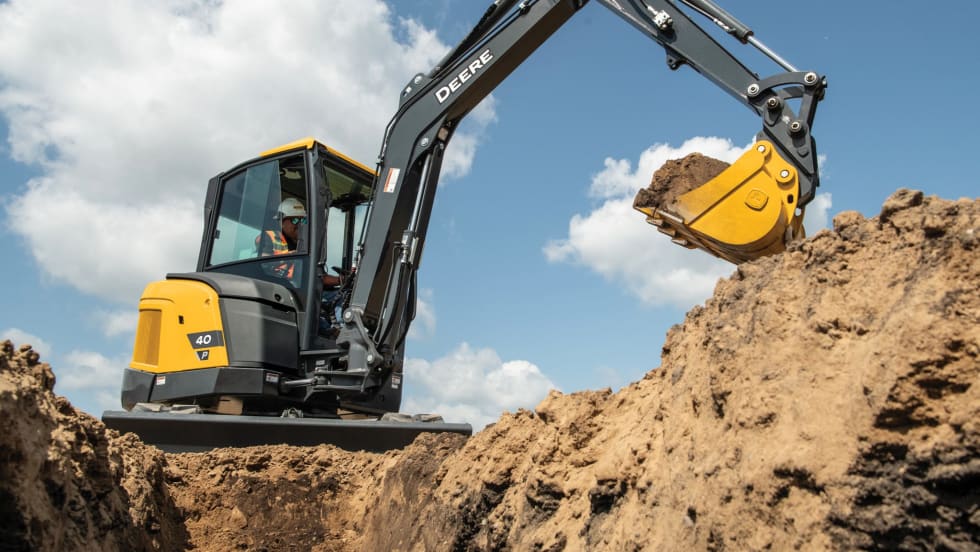
John Deere Introduces 40 P-Tier Compact Excavator
John Deere is adding a compact excavator designed for crews that need to move equipment between jobsites and handle multiple types of work with one machine. The 40 P-Tier weighs less than 10,000 pounds and offers configurable hydraulics, attachment options, and connected fleet-management capabilities.
Read More →
How Leading Fleets Improve and Why Business Plans Matter
This week, we look at what past Leading Fleet winners can teach us about making progress, plus how to build a business plan your fleet will actually use.
Read More →
Nominate a Fleet Leader for the 2027 Public Fleet Hall of Fame
Do you know a fleet leader who has made a lasting impact on the industry? Nominate this fleet professional for the 2027 Public Fleet Hall of Fame.
Read More →
Why Fleet Business Plans Need Three Perspectives
A fleet business plan should help agency leaders understand the fleet’s value, give the organization a clear direction, and establish shared expectations with customer departments.
Read More →
How Oil Analysis, Safety Technology, and Fleet Awards Drive Improvement
What happens when fleets let measured results guide their next decision?
Read More →
Emergency Response, Fleet Sales and New Technology
This week’s fleet news covers emergency preparedness, shifting vehicle sales, electric truck investments, and new tools for monitoring road conditions.
Read More →