




Gwinnett County Implements a Range of Programs to Reduce Fuel Use
LAWRENCEVILLE, GA – Gwinnet County is facing a 30-percent increase in fuel costs this year but has taken steps to combat this fuel price increase, from an anti-idling policy to joining a regional fuel-buying co-op.
LAWRENCEVILLE, GA – Gwinnett County is facing a 30-percent increase in fuel costs this year, no surprise given the cost of gasoline and diesel, but the County has taken a number of proactive steps to combat this fuel price increase within the last couple of years, from an anti-idling policy to joining a regional fuel-buying co-op.
Gwinnett County is part of the Atlanta Metropolitan area. It covers 437 square miles, has 15 cities inside its boundaries, and is home to 805,000 citizens (per the 2010 Census), which makes it the second largest county in Georgia based on population. The County’s fleet consists of 2,825 vehicle and equipment assets.
The first major program the County implemented was an anti-idling policy, back in 2009. According to Michael Lindsey, director of the fleet management department for the County, they saw an immediate reduction in fuel use.
“This is a difficult to measure from year to year, however when it was initially put in place we saw a 14-percent reduction in fuel consumption from the previous year and we have been maintaining that same level of consumption since,” Lindsey said.
One of the other major programs the County implemented was to work with 16 other municipalities and regional government agencies to create the North Georgia Fuel Co-op to buy fuel in volume. When asked about how successful this program has been, Lindsey said the first year saw the most significant savings, similar to what happened with the anti-idling program.
“Considering that our consumption has stayed relatively constant, our greatest reduction was in the first year of the agreement, at $110,000, and today it would be more of cost avoidance than a reduction of approximately $190,000 per year,” Lindsey said.
The County also has a fuel-management system in place, AssetWorks’ FuelFocus, which tracks all fuel used by County-owned vehicles.
Lastly, the County right-sized its fleet, resulting in the elimination of 280 vehicles. The only vehicles County employees are currently allowed to take home are those needed to ensure public safety, though there is currently a proposed policy that would formally limit take-home vehicle use to public safety use only and within the County’s boundaries.
By Greg Basich
More Fuel

Clean Energy to Build Hydrogen Station for Orange County Transportation Authority
The new station will support the agency’s growing fleet of zero-emission hydrogen fuel cell buses.
Read More →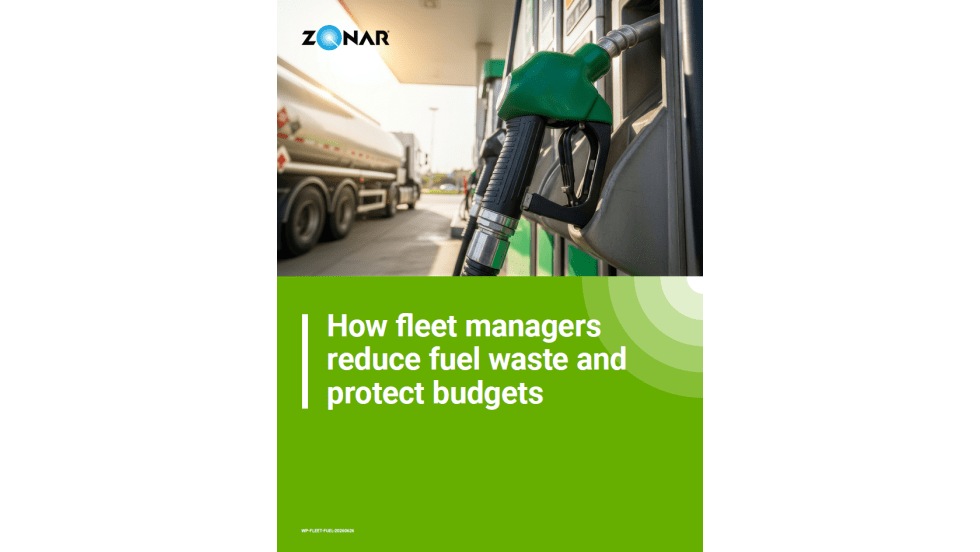
How Fleet Managers Reduce Fuel Waste and Protect Budgets
When fuel prices swing, fleet averages don’t tell the whole story. This white paper helps fleet and operations leaders uncover where fuel waste really hides and what data they need to build a smarter, more resilient fuel strategy.
Read More →
Planning for Future Technologies: Hydrogen and Beyond
As public agencies work to cut emissions from off-road operations, fleets are turning to a mix of renewable fuels, hybrid systems, battery-electric equipment and emerging hydrogen technology.
Read More →
RoadFlex Expands Fuel Network with Refuel Partnership
RoadFlex expands its fueling network for public sector fleets through a new partnership with Refuel, adding more than 250 locations across the Southeastern U.S. to improve access, savings, and efficiency.
Read More →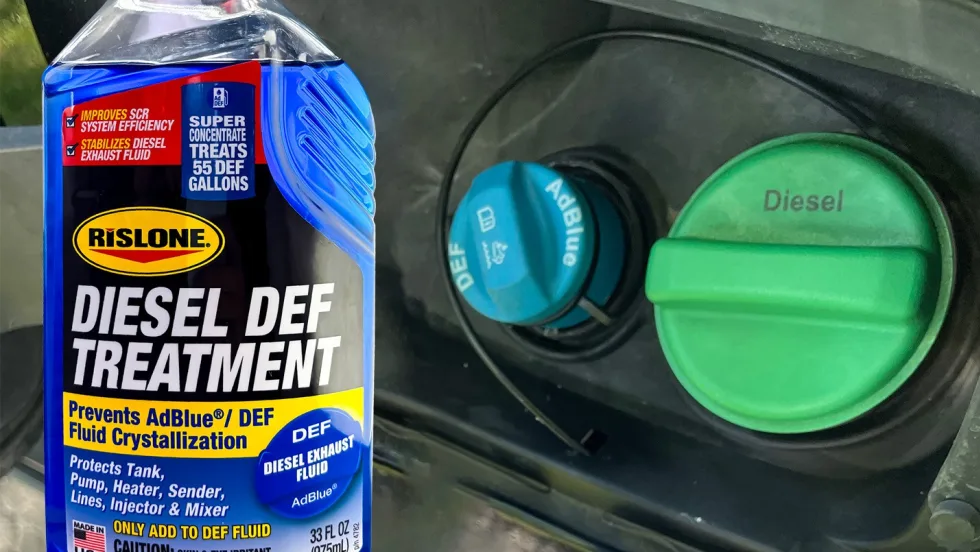
Rislone DEF Treatment Designed to Keep Diesel Exhaust Fluid Crystal-Free
Rislone is rolling out a super-concentrated version of its Diesel DEF Treatment that is designed to stabilize and improve diesel exhaust fluid.
Read More →
Are Bi-Fuel Propane Autogas Vehicles Making Law Enforcement Fleets More Resilient, Cost-Effective?
How a Florida sheriff office’s choice in fuel system led to a healthier budget, increased resiliency, and decreased emissions.
Read More →
Fleets All-In On Fuel Management Tech
Fuel management can become a tricky obstacle, but smart strategies and new tech have turned it into a well-oiled machine where price prediction is art, and cost control is science.
Read More →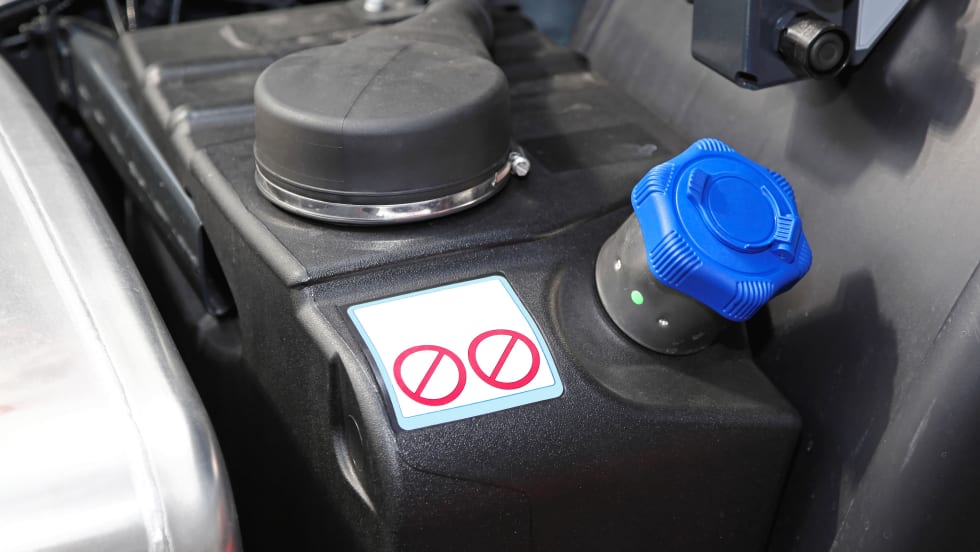
Prepare Diesel Trucks for Winter with Diesel Exhaust Fluid
Understand proper DEF purchasing, handling, and storage practices in order to meet regulatory requirements and operates at peak performance.
Read More →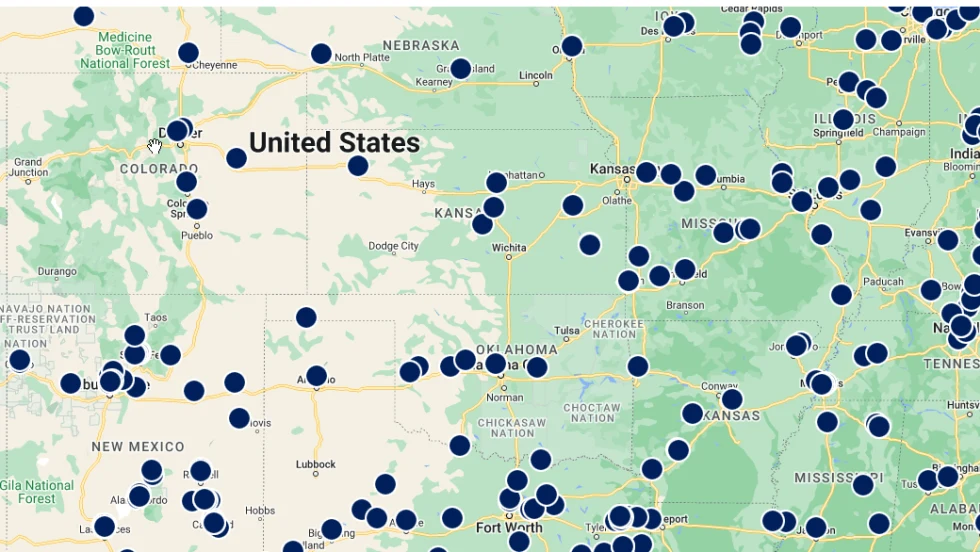
Diesel Exhaust Fluid (DEF) Locator
Yara, a diesel exhaust fluid (DEF) producer, offers a DEF locator website to help get the fluids fleets need.
Read More →
Gas vs. Diesel: The Bad Investment Only Fleet Managers Know About
A major point of debate in fleet management is using diesel vs. gas cars and trucks. Choosing to purchase gasoline engines instead of diesel ones for medium-duty trucks may be an unpopular decision, but is it the right one?
Read More →