





Similar Content: California Will Stop Purchasing Vehicles From FCA, GM, Toyota
California Now Allows State Fleet Purchases from GM
GM is accelerating the rollout of zero-emission vehicles, consistent with California’s greenhouse gas emission reduction goals.
January 13, 2022
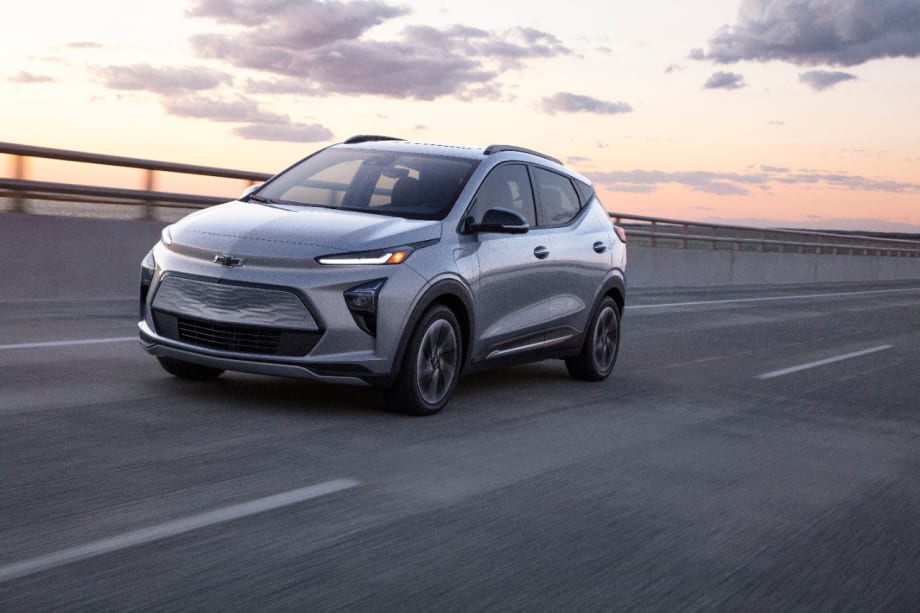
GM announced it will recognize California’s authority to set vehicle emission standards under the Clean Air Act. State agencies will now be able to purchase vehicles like the 2022 Chevrolet Bolt, pictured here.
Photo: GM
2 min to read
California fleet managers can purchase General Motors vehicles for their fleets, after the automaker announced it is recognizing California’s authority to set vehicle emission standards under the Clean Air Act. State agencies can only purchase vehicles from OEMs that recognize the California Air Resources Board (CARB)'s authority to set greenhouse gas and zero-emission vehicle standards, and which have committed to continuing stringent emissions reduction goals for their vehicles. Public safety specialty performance vehicles are exempt from the mandate.
GM reported that California has agreed to add GM to the OEM list for fleet vehicle purchases, including for the automaker's future electric vehicles. At the time the law was enacted two years ago, two other major OEMs did not recognize California’s vehicle emission standards: Stellantis and Toyota. A Department of General Services spokesperson confirmed to us that is still the case today. OEMs that are CARB-aligned include BMW, Ford, Honda, Tesla, Volkswagen, and Volvo.
GM’s vice president and head of global public policy Omar Vargas sent a letter to California Governor Gavin Newsom on Sunday, announcing the company is committed to emissions reductions that are aligned with the California Air Resources Board’s targets.
A GM spokesperson said the company is accelerating the rollout of zero-emission vehicles (ZEV), consistent with California’s greenhouse gas emission reduction goals and federal ZEV targets, and to developing plans to ensure ZEV affordability in disadvantaged and low-income communities.
“GM is proud to share California’s vision of an all-electric future with zero emissions,” said Vargas. “We believe everyone should have access to affordable, long-range electric vehicle options, and we are committed to working in collaboration with California to achieve an equitable transportation future.”
Newsom released a statement in response to the move. “GM is joining California in our fight for clean air and emission reduction as part of the company's pursuit of a zero-emissions future. This agreement will help accelerate California's nation-leading commitment to tackling the climate crisis,” Newsom said.
GM has laid out its plan to be carbon neutral by 2040 in global products and operations and plans to eliminate tailpipe emissions from new vehicles by 2035. The company is investing more than $35 billion in electric and autonomous vehicles through 2025 and will launch 30 EVs in that timeframe.
More Green Fleet
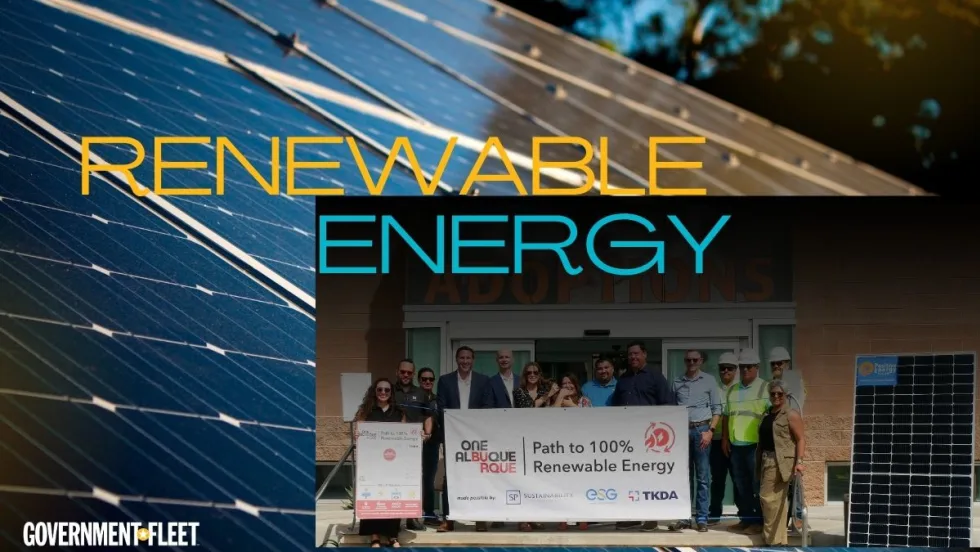
Sustainability Partners, Energy Systems Group Help Albuquerque Close the Gap on its 100% Renewable Energy Goal
The eight-site, 6 MW solar project has advanced the city toward 100% renewable energy for municipal operations.
Read More →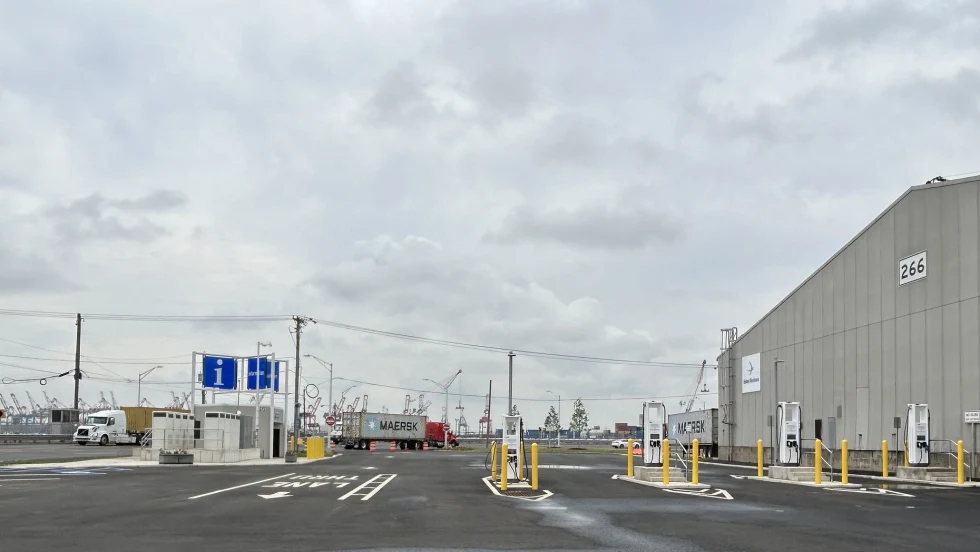
Port Authority and CALSTART Launch $45 Million Electric Truck and Charging Programs
The programs aim to boost sustainable operations across the East Coast's busiest seaport.
Read More →
Moving Government Fleets Beyond the Vehicle Purchase: EV as a Service
A discussion on how EVaaS is moving beyond pilot programs and what fleets should consider before beginning a larger deployment.
Read More →
Moving Government Fleets Beyond the Vehicle Purchase: EV as a Service
As fleets move beyond small EV pilots, Sustainability Partners CEO Adam Cain explains how EVaaS can address the infrastructure and long-term planning required for larger deployments.
Read More →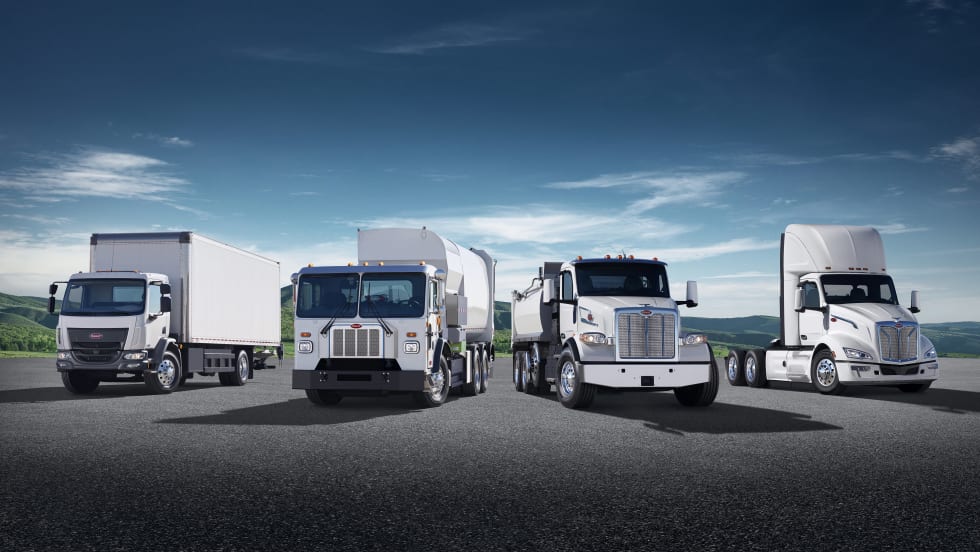
Peterbilt Expands Sourcewell Partnership with Electric Vehicle Lineup
The agreement aims to provide streamlined procurement of Peterbilt trucks for government, education, nonprofit and tribal organizations across the United States and Canada.
Read More →
EV Adoption & Charging Challenges
Where is your fleet in the journey of vehicle electrification? If you're still looking for answers to fleet electrification you've come to the right place.
Read More →
Hawaii Passes Clean Fuel Policy
Hawaii lawmakers passed clean fuel legislation that could support renewable natural gas production, biogas-powered transportation, and lower-carbon fueling options for public and commercial fleets.
Read More →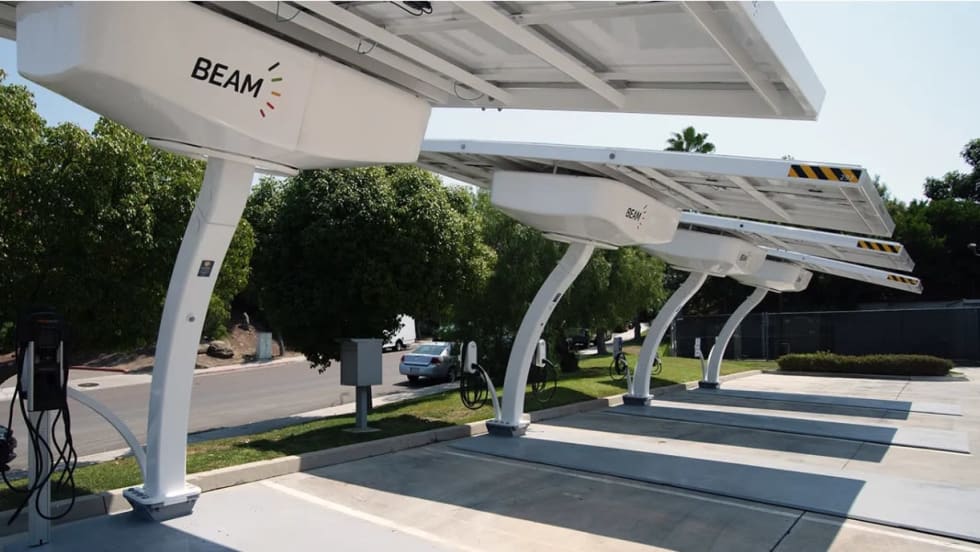
Stanislaus County Deploys Ten Beam Global EV ARC Systems to Support County Fleet Electrification
Stanislaus County deployed 10 off-grid solar-powered EV charging systems and a mobile charging trailer from Beam Global to support its electric fleet operations and emergency response flexibility.
Read More →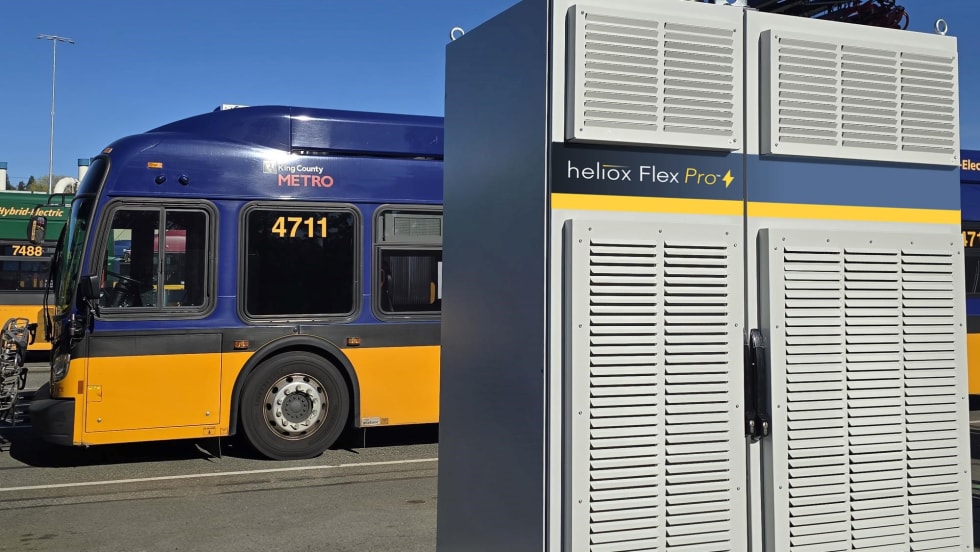
Heliox Pilots 480-kW Bus Charger with King County Metro
King County Metro is piloting Heliox’s new 480-kW Flex Pro charger to support expansion of its battery-electric bus fleet and depot charging infrastructure. The compact charging system supports pantograph and plug-in charging configurations for high-density transit operations.
Read More →