




Fuel Program Helps Virginia Fleets Save Money
RICHMOND, VA - The Commonwealth of Virginia and more than 80 universities, and local government entities are saving money on fuel purchases by participating in Virginia's State Motor Fuel Program.
RICHMOND, VA - The Commonwealth of Virginia and more than 80 universities, and local government entities are saving money on fuel purchases by participating in Virginia's State Motor Fuel Program (SMFP).
The SMFP, developed by the Department of General Services (DGS) Office of Fleet Management Services, with assistance from the Virginia Association of Counties and Virginia Municipal League, began in October 2010. Contracts were awarded to Mansfield Oil Company and James River Solutions for bulk gasoline and diesel fuel. With the expansion of the SMFP from state only to local government entities, the Commonwealth's buying power is leveraged to obtain the best price, resulting in annual dollar savings. Mandated for state agencies, but optional for local governments, the SMFP provides additional benefits, such as more administrative oversight and accountability to fuel purchases. Participation in the program also helps ensure the organization is better prepared in the event of fuel disruptions.
Customizable based on the size and needs of the participant, state agencies, universities, and local government entities may participate in any aspect of the SMFP and purchase fuel in bulk, by consignment, or with the state's fuel card. Participants in the bulk fuel program are able to purchase a large quantity of fuel for an above ground or underground tank at a set price. Participating in the consignment fuel program allows the organization to pay for fuel only when they use it and the vendor absorbs the up-front cost of purchasing the fuel. The fuel card (Voyager card) program provides flexibility to purchase fuel at 90 percent of the gas stations nationwide. As a result, the cardholder pays the state-contracted price instead of the price at the pump and is exempt from federal excise tax.
The bulk fuel and fuel card programs currently have the most participants of 40 and 72, respectively. While dollar savings can fluctuate based on the needs of the participant, annual savings are being achieved by public schools, cities, counties, universities, and other government entities. The City of Williamsburg, for example, is saving about $2,700 annually. The bulk fuel contract will be used by Carroll County Public Schools to realize a savings of six cents per gallon. Washington County General Services will save ten cents a gallon, Goochland County will save 18 percent on gasoline differential and 34 percent on diesel differential, and James Madison University will save a little over one cent per gallon.
"We believe in this program [State Motor Fuel Program] because it is allowing all participants to achieve real savings, while making the entire process of buying fuel easier," said Richard Sliwoski, P.E. "That's why we [DGS] are offering this state program to local governments. These savings can make a real difference, especially for small localities."
With the fuel card program, participants are able to save money at the pump by paying a fixed daily price. The cost is based on the daily Oil Price Information Services (OPIS) price combined with a contracted differential that covers all operating costs. The fuel card program brings additional accountability by providing online exception reports and purchase alerts to help reign in expenses and reduce theft and fraud. Participants are able to save an estimated 10 percent on the average price per gallon over retail.
While SMFP is currently providing reduced fuel costs to the Commonwealth, which ultimately benefits taxpayers, the Department of General Services is still developing the program to encourage increased participation by more local government entities. The more participation the larger the collaborative volume, which in turn results in additional buying leverage for future procurements. Collaborating on basic functions such as fuel, the State Motor Fuel Program will continue to drive down the cost of government not only for state, but also for localities.
Additional information on the Commonwealth's SMFP is available at www.dgs.virginia.gov.
More Fuel
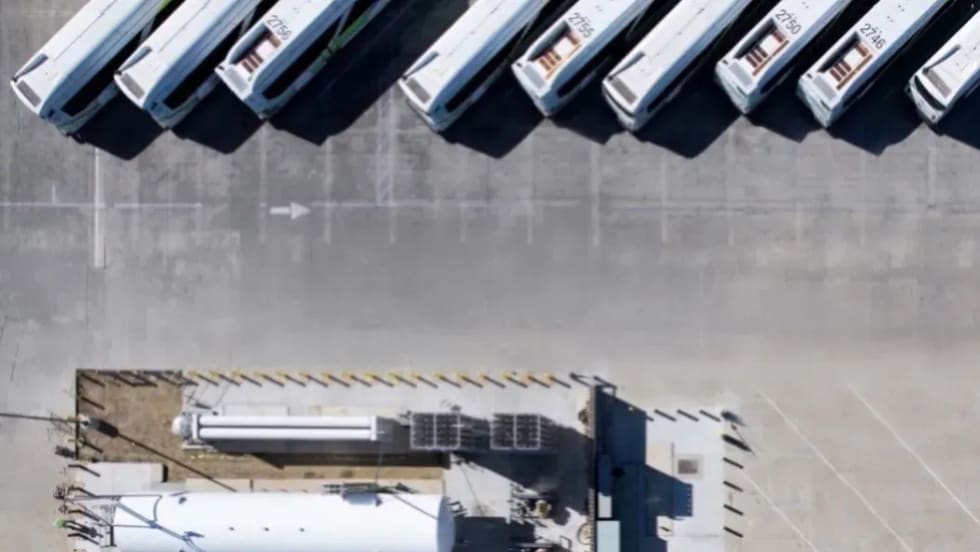
Clean Energy to Build Hydrogen Station for Orange County Transportation Authority
The new station will support the agency’s growing fleet of zero-emission hydrogen fuel cell buses.
Read More →
How Fleet Managers Reduce Fuel Waste and Protect Budgets
When fuel prices swing, fleet averages don’t tell the whole story. This white paper helps fleet and operations leaders uncover where fuel waste really hides and what data they need to build a smarter, more resilient fuel strategy.
Read More →
Planning for Future Technologies: Hydrogen and Beyond
As public agencies work to cut emissions from off-road operations, fleets are turning to a mix of renewable fuels, hybrid systems, battery-electric equipment and emerging hydrogen technology.
Read More →
RoadFlex Expands Fuel Network with Refuel Partnership
RoadFlex expands its fueling network for public sector fleets through a new partnership with Refuel, adding more than 250 locations across the Southeastern U.S. to improve access, savings, and efficiency.
Read More →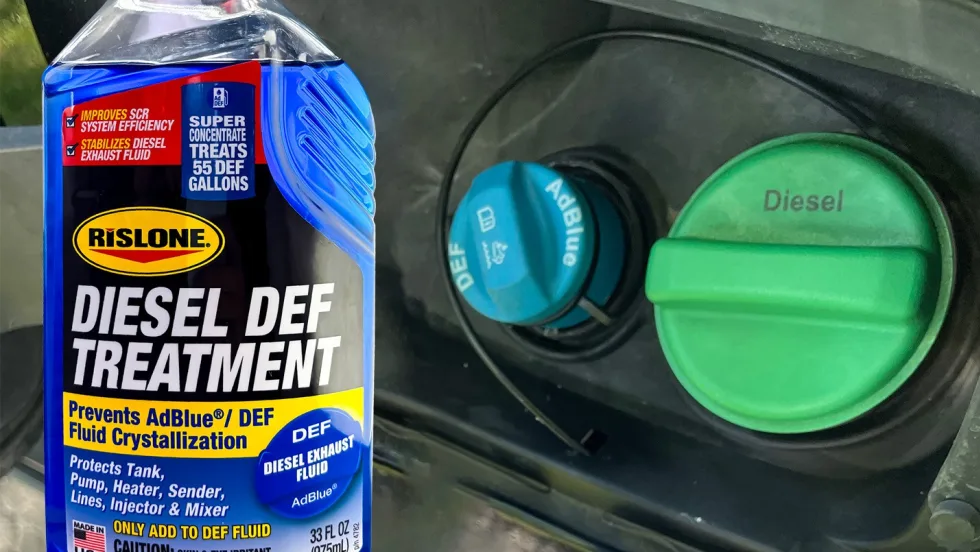
Rislone DEF Treatment Designed to Keep Diesel Exhaust Fluid Crystal-Free
Rislone is rolling out a super-concentrated version of its Diesel DEF Treatment that is designed to stabilize and improve diesel exhaust fluid.
Read More →
Are Bi-Fuel Propane Autogas Vehicles Making Law Enforcement Fleets More Resilient, Cost-Effective?
How a Florida sheriff office’s choice in fuel system led to a healthier budget, increased resiliency, and decreased emissions.
Read More →
Fleets All-In On Fuel Management Tech
Fuel management can become a tricky obstacle, but smart strategies and new tech have turned it into a well-oiled machine where price prediction is art, and cost control is science.
Read More →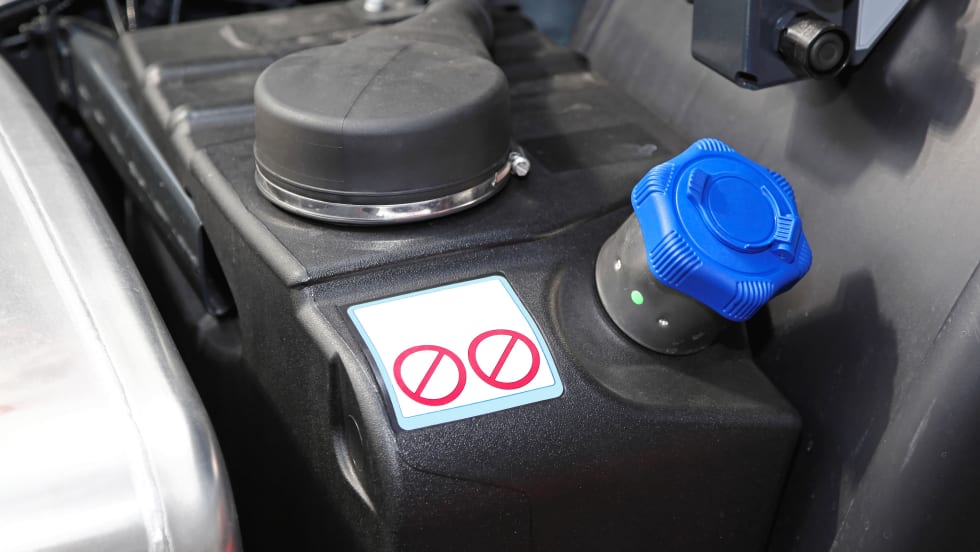
Prepare Diesel Trucks for Winter with Diesel Exhaust Fluid
Understand proper DEF purchasing, handling, and storage practices in order to meet regulatory requirements and operates at peak performance.
Read More →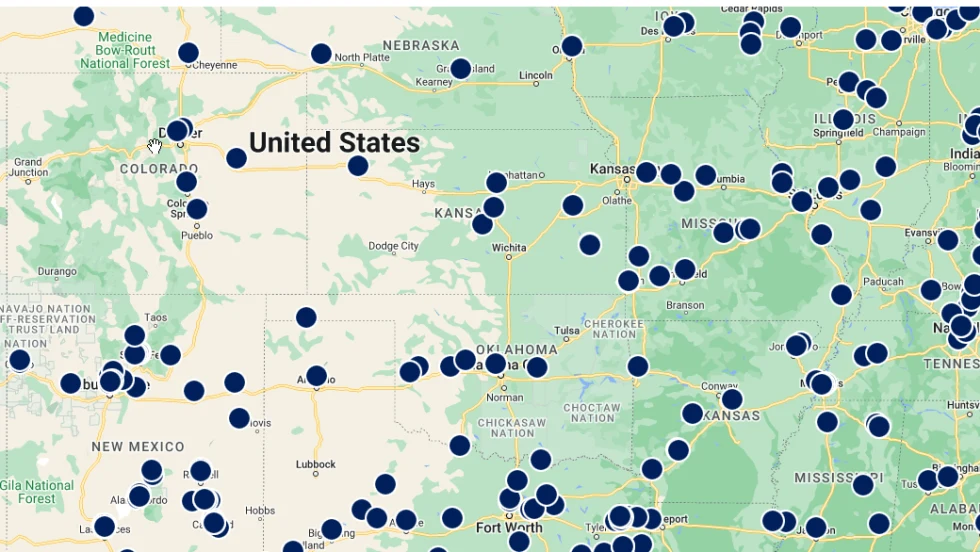
Diesel Exhaust Fluid (DEF) Locator
Yara, a diesel exhaust fluid (DEF) producer, offers a DEF locator website to help get the fluids fleets need.
Read More →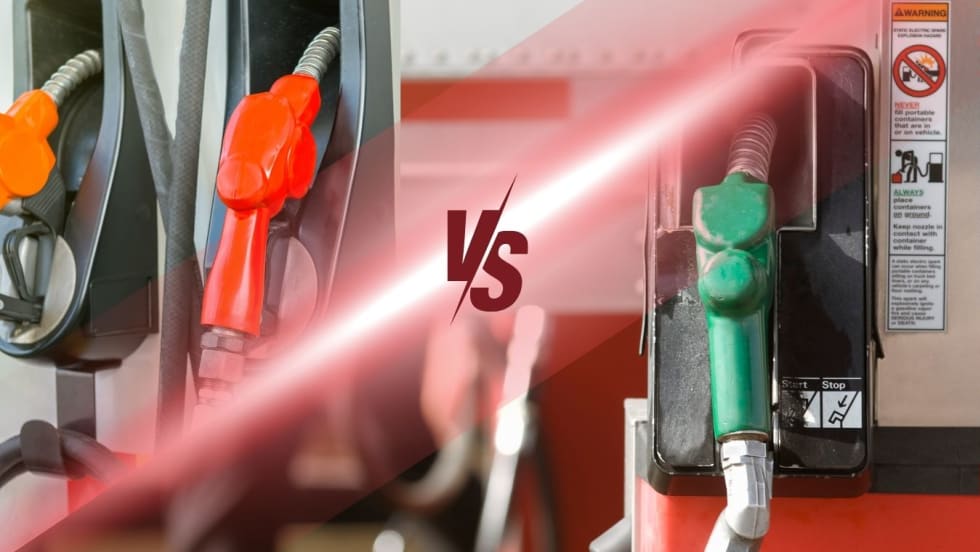
Gas vs. Diesel: The Bad Investment Only Fleet Managers Know About
A major point of debate in fleet management is using diesel vs. gas cars and trucks. Choosing to purchase gasoline engines instead of diesel ones for medium-duty trucks may be an unpopular decision, but is it the right one?
Read More →