




Fuel Cells May Help Cut U.S. Military's Gas Usage
WASHINGTON, D.C. – Automotive fuel-cell technology may soon help the U.S. military reduce their dependence on petroleum-based fuels.
WASHINGTON, D.C. – Automotive fuel-cell technology may soon help the U.S. military reduce their dependence on petroleum-based fuels, reports the American Forces Press Service. Government agencies are working to adapt hydrogen-fuel-cell-powered vehicles (FCVs). For the past year, the Army has been testing a prototype hydrogen-fuel-cell system installed within a conventional truck platform. According to a mechanical engineer at the Army’s National Automotive Center (NAC) — part of the U.S. Army’s Tank Automotive Research Development and Engineering Center (TARDEC) at Warren, Mich. — the application is geared toward nontactical vehicle usage. The prototype is based on a Chevrolet Silverado, according to the report. The truck’s original engine, transmission, and gas tank were removed and replaced with two hydrogen fuel cells and two electric motors — one motor drives the front wheels and the other drives the rear wheels.
More Operations
What Can Disappear After a Fleet Crash?
This week, we look at drone footage, what fleets should document before repairs begin, and share a quick poll.
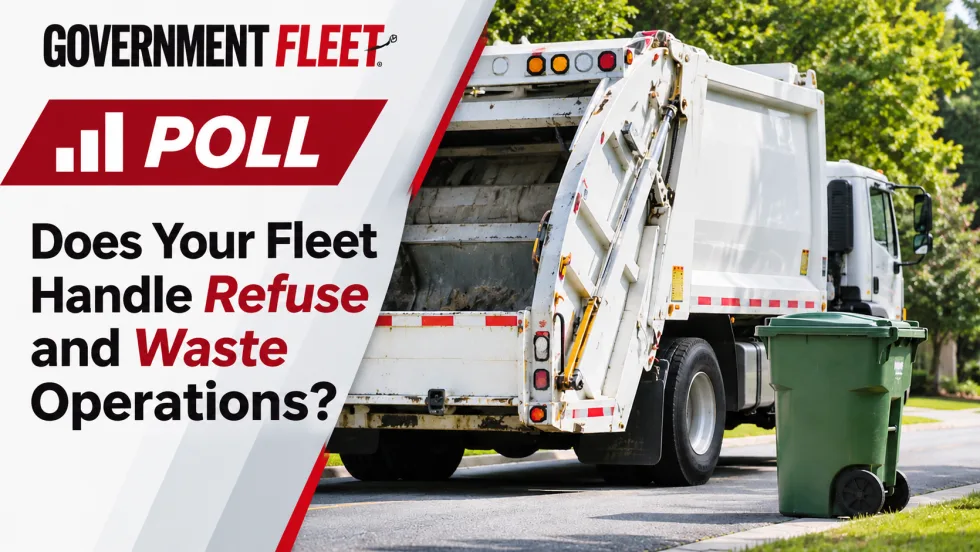
Does Your Government Fleet Handle Refuse and Waste Operations? Take Our Poll
Government Fleet wants to hear from public-sector fleet professionals about their responsibilities for refuse collection and waste management equipment.
Fleet Replacement Decisions, Waste Fleet Technology and the GFX Deadline
Is your next vehicle the right fit, can your records settle a missed pickup dispute, and what could your fleet teach others at GFX 2027?
Is Delaying Fleet Replacement Really Saving Money?
Could delaying replacement cost your fleet more than it saves? This week’s recap takes a closer look, plus an update on GFX 2027.

What Government Fleets Are Missing About Their True Costs
What are fleet budgets missing, and how can agencies use the data they already collect to make a stronger case for change?
Rethinking Fleet Decisions From the Budget Office to the Shop
This October we looked back at how public fleets are reconsidering familiar processes and using what they learn to make better decisions.
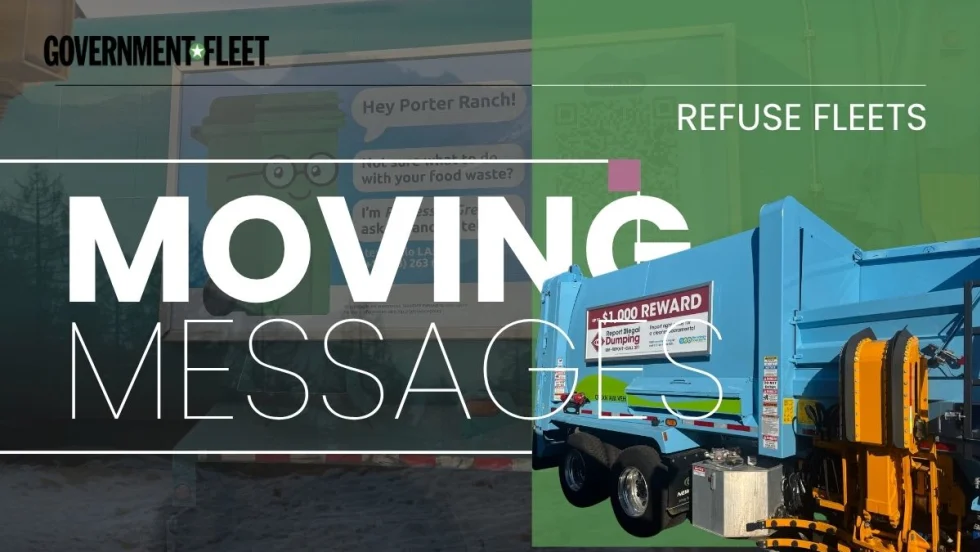
Who Owns the Message on a Refuse Truck?
Refuse trucks can carry public messages into neighborhoods, but keeping those messages current takes planning and clear responsibility.
Who Deserves Fleet Recognition and What Could You Teach at GFX?
Who helped shape your fleet career, and what have you learned that could help someone else?

What’s Haunting Public Sector Fleets?
Public sector fleet challenges rarely happen in isolation, and addressing one often means understanding how it connects to another.
Is Keeping Older Fleet Vehicles Really Saving Money?
Is keeping vehicles longer saving money, and what happens when a diagnostic test points to the wrong fix?