




Navigating the Switch: A Basic Guide to EVs
Florida Senate Updates Law in Favor of More EVs
The Florida SB 284 bill, sponsored by Sen. Jason Brodeur, was approved that adjusts the requirements for purchasing public-owned vehicles at state agencies, universities, colleges, and local governments.

Hillary Weiss・Senior Editor
A bill was passed in Florida that will add more focus on EV purchasing.
Photo: Florida/Government Fleet
2 min to read
Florida lawmakers recently debated on whether they should consider lifetime ownership or fuel efficiency when purchasing government vehicles.
Since the state added a vehicle buying provision in 2008, Florida focused on the greatest fuel efficiency when it comes to buying vehicles, meaning electric vehicles (EVs) have been discounted.
Sen. Jason Brodeur argued that they should consider a vehicle's lifetime ownership instead.
“We have to select them for the greatest fuel efficiency, and that we should use ethanol and biodiesel blended fuels when applicable,” Brodeur told the Senate committee Tuesday.
“That was great in 2008. However, since then, we have found that with the advent of electric cars, they don’t have a fuel efficiency metric, and so mathematically are automatically excluded from being considered. That doesn’t make much sense when we consider the life of the vehicle.”
As a result, Brodeur sponsored the SB 284 bill which adjusts the requirements for purchasing public-owned vehicles at state agencies, universities, colleges, and local governments.
The bill passed in Senate Governmental Oversight and Accountability committee on February 21.
According to SB 284, it will:
Exempt certain components and labor used for EV conversion from sales tax;
Revise the selection criteria for purchasing or leasing vehicles for state agencies, state universities, community colleges, and local governments under a state purchasing plan;
Delete a provision requiring the use and procurement of ethanol and biodiesel blended fuels;
Before a specified date, require the Department of Management Services to make recommendations to state agencies, state universities, community colleges, and local governments relating to the procurement and integration of electric and natural gas fuel vehicles, etc.
The bill will go into effect on July 1.
Keeping Natural Gas Vehicles for Now
During the debate, Sierra Club Florida lobbyist David Cullen argued to remove natural gas vehicles completely from the DMS recommendations.
According to the U.S. Department of Energy, depending on the vehicles, “natural gas reduces some engine emissions,” while all EVs are zero-emission.
In the end, Brodeur stated natural gas vehicles still release significantly fewer emissions compared to diesel-fuel engines.
Cullen’s suggested amendment was rejected by the committee.
Brodeur said during the debate, “Right now, we know that natural gas vehicles are cheaper, cleaner, easier than the regular internal combustion engines that we are requiring today.”
More Green Fleet
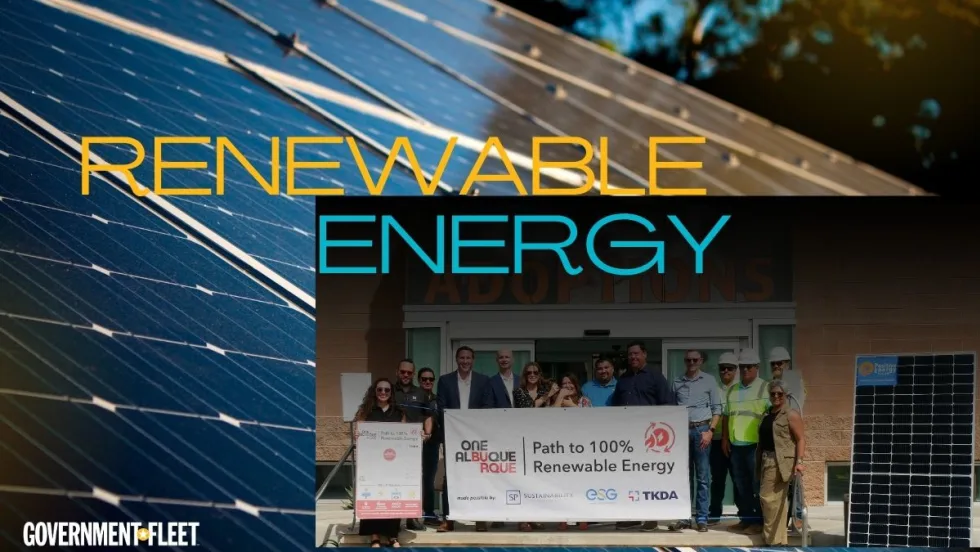
Sustainability Partners, Energy Systems Group Help Albuquerque Close the Gap on its 100% Renewable Energy Goal
The eight-site, 6 MW solar project has advanced the city toward 100% renewable energy for municipal operations.
Read More →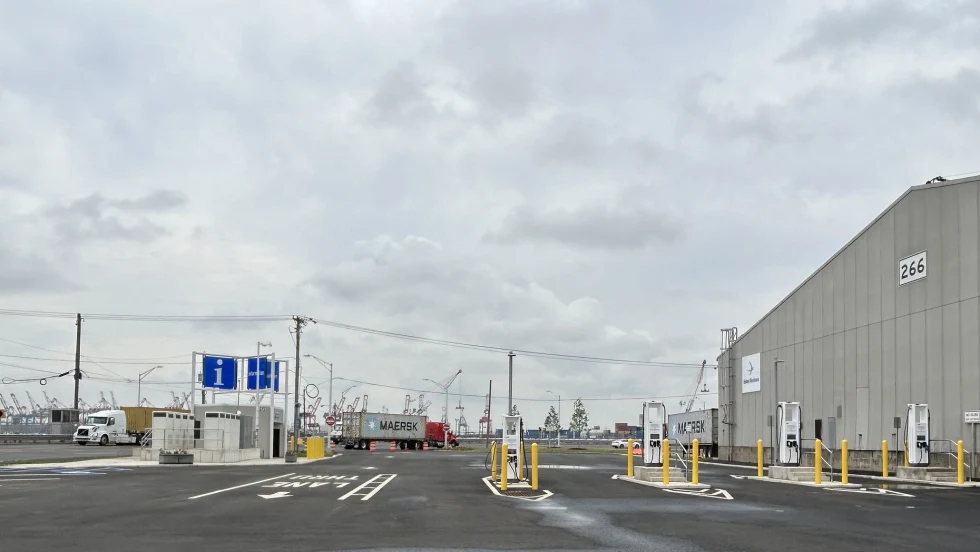
Port Authority and CALSTART Launch $45 Million Electric Truck and Charging Programs
The programs aim to boost sustainable operations across the East Coast's busiest seaport.
Read More →
Moving Government Fleets Beyond the Vehicle Purchase: EV as a Service
A discussion on how EVaaS is moving beyond pilot programs and what fleets should consider before beginning a larger deployment.
Read More →
Moving Government Fleets Beyond the Vehicle Purchase: EV as a Service
As fleets move beyond small EV pilots, Sustainability Partners CEO Adam Cain explains how EVaaS can address the infrastructure and long-term planning required for larger deployments.
Read More →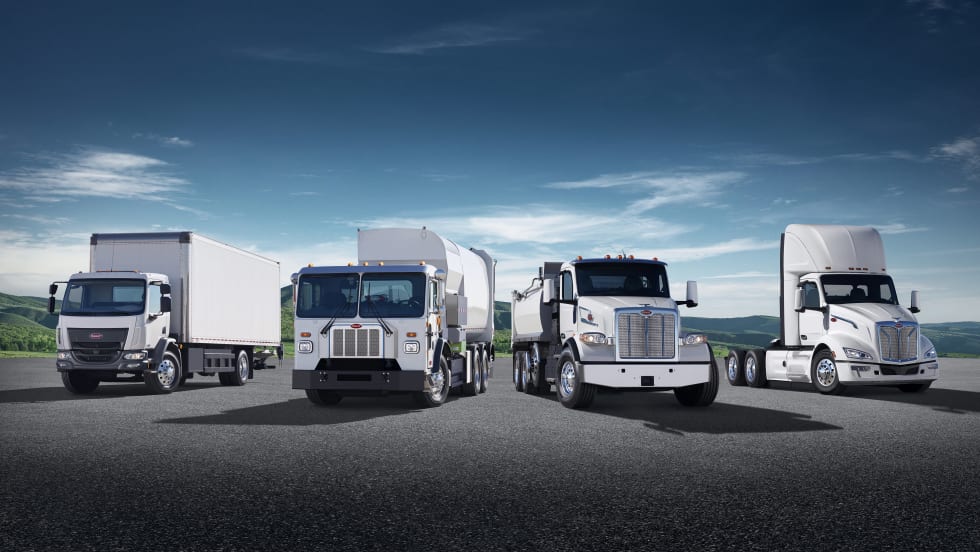
Peterbilt Expands Sourcewell Partnership with Electric Vehicle Lineup
The agreement aims to provide streamlined procurement of Peterbilt trucks for government, education, nonprofit and tribal organizations across the United States and Canada.
Read More →
EV Adoption & Charging Challenges
Where is your fleet in the journey of vehicle electrification? If you're still looking for answers to fleet electrification you've come to the right place.
Read More →
Hawaii Passes Clean Fuel Policy
Hawaii lawmakers passed clean fuel legislation that could support renewable natural gas production, biogas-powered transportation, and lower-carbon fueling options for public and commercial fleets.
Read More →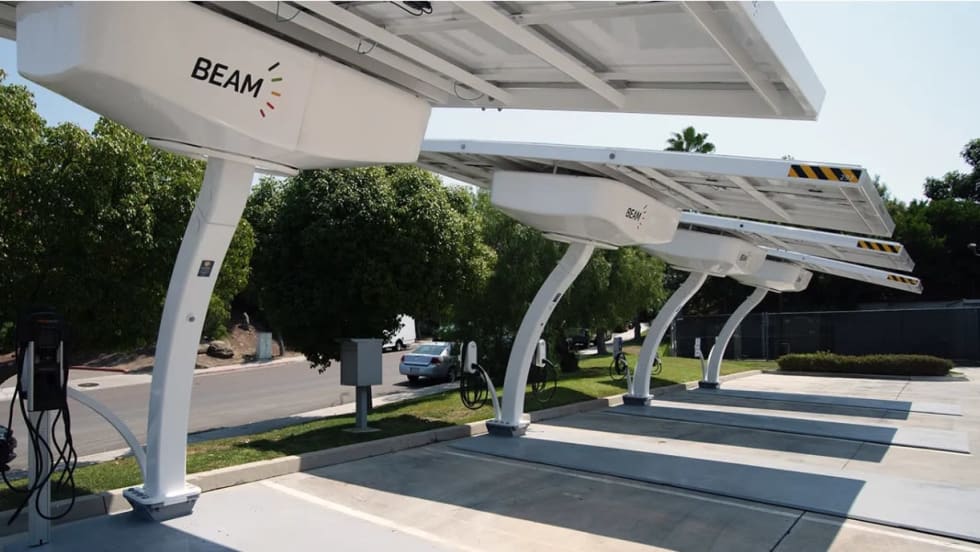
Stanislaus County Deploys Ten Beam Global EV ARC Systems to Support County Fleet Electrification
Stanislaus County deployed 10 off-grid solar-powered EV charging systems and a mobile charging trailer from Beam Global to support its electric fleet operations and emergency response flexibility.
Read More →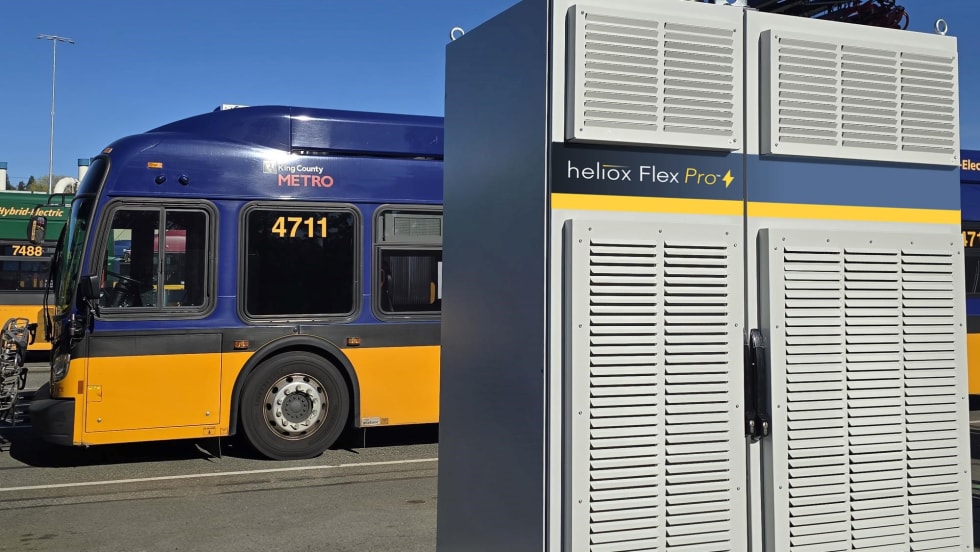
Heliox Pilots 480-kW Bus Charger with King County Metro
King County Metro is piloting Heliox’s new 480-kW Flex Pro charger to support expansion of its battery-electric bus fleet and depot charging infrastructure. The compact charging system supports pantograph and plug-in charging configurations for high-density transit operations.
Read More →