




Fairfax County Addresses $8M Fuel Cost Increase
FAIRFAX, VA - Fairfax County's fleet manager discusses solutions the County is implementing to balance out high fuel costs.
FAIRFAX, VA - Fuel prices are skyrocketing, and public sector fleets are finding ways to handle fueling budgets that are lower than actual costs. Fairfax County (Va.), whose fuel costs are expected to run $8 million higher than budgeted for this year, talked to Government Fleet about some solutions the County is working on to handle rising fuel costs and pay the anticipated budget overrun.
The County budgeted $2.37 per gallon, but it's currently paying close to $3.20. The County's budget director said half of the $8 million cost will be covered by reserve account, according to the Washington Examiner.
As for the other half, Jim Gorby, fleet manager for the County, outlined three types of solutions the County has been or is currently implementing.
Long-term solutions over a period of years include:
Rightsize vehicles and engines for tasks (e.g., buying crew cabs so a single vehicle can be used to transport to jobsites).
Buy hybrids whenever possible.
Train employees on fuel-efficient driving habits, such as avoiding jackrabbit starts and hard braking.
Track use of vehicles through GPS/GIS.
Keep maintenance up to date.
Keep tires properly inflated.
Use trailers for positioning tools at a jobsite rather than hauling them back and forth every day.
Enforce anti-idling policies.
He identified the following short-term solutions that the County has implemented:
Request additional funding.
Reallocate money from one fund to another, although this means some things will not get done.
Reduce face to-face meetings through teleconferencing.
Reduce weight carried in vehicles, such as seasonal equipment or accessories.
Plan trips to accomplish various tasks to eliminate multiple trips.
Park vehicles, although this probably means a service will not be completed.
Gorby also listed other considerations such as encouraging employees to carpool, telework, use mass transit and bikes, and finally, walking.
Gorby said while some of these solutions don't directly relate to the County budget, options such as biking or teleworking can lower employee fuel consumption. "You always look at teleconferencing at those kinds of things, but you're much more assiduous about it when times are tough like this," he added.
Although the difference in budgeted and actual fuel costs is large, Gorby said the County Board of Supervisors and elected officials are understanding, as they've seen the same price increases fueling their own vehicles. "You have to keep the County running; tasks have to be done, and citizens expect services," he said.
More Fuel
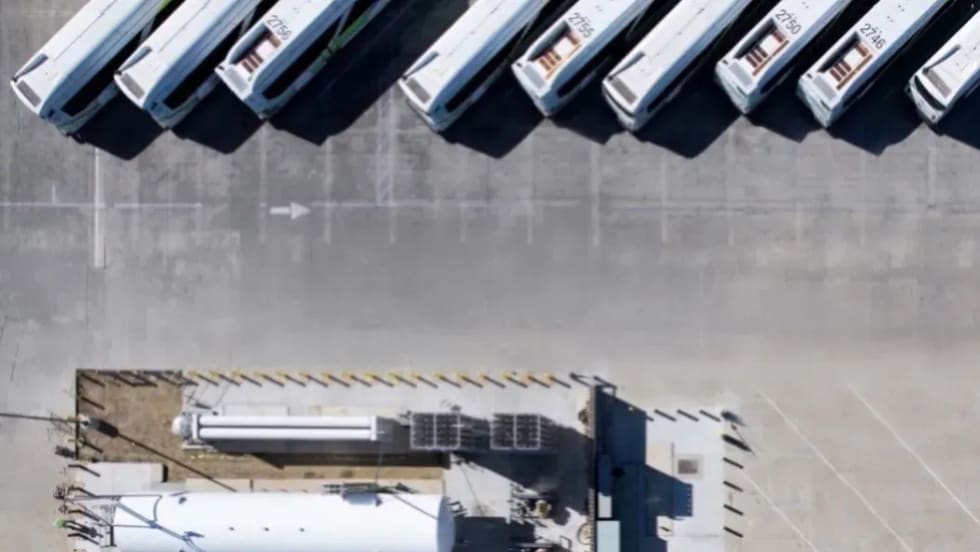
Clean Energy to Build Hydrogen Station for Orange County Transportation Authority
The new station will support the agency’s growing fleet of zero-emission hydrogen fuel cell buses.
Read More →
How Fleet Managers Reduce Fuel Waste and Protect Budgets
When fuel prices swing, fleet averages don’t tell the whole story. This white paper helps fleet and operations leaders uncover where fuel waste really hides and what data they need to build a smarter, more resilient fuel strategy.
Read More →
Planning for Future Technologies: Hydrogen and Beyond
As public agencies work to cut emissions from off-road operations, fleets are turning to a mix of renewable fuels, hybrid systems, battery-electric equipment and emerging hydrogen technology.
Read More →
RoadFlex Expands Fuel Network with Refuel Partnership
RoadFlex expands its fueling network for public sector fleets through a new partnership with Refuel, adding more than 250 locations across the Southeastern U.S. to improve access, savings, and efficiency.
Read More →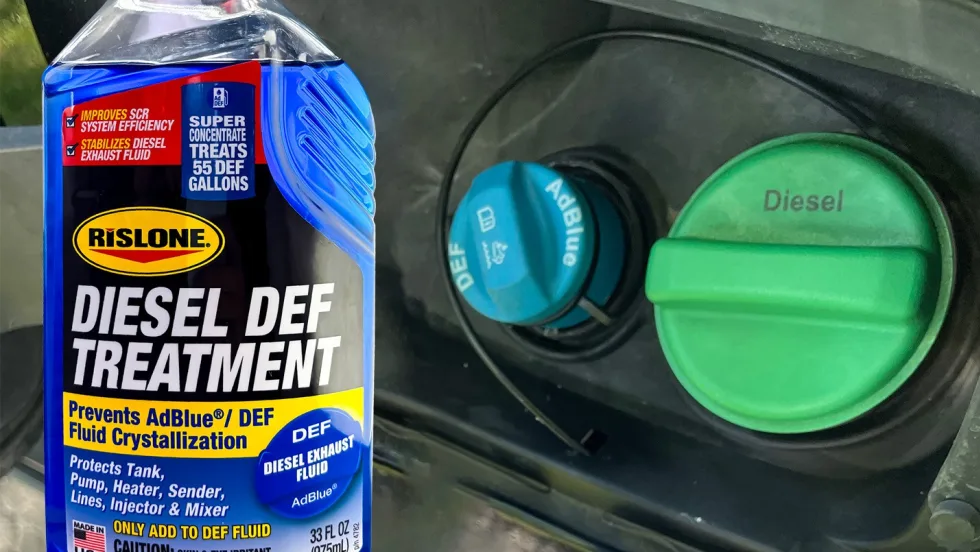
Rislone DEF Treatment Designed to Keep Diesel Exhaust Fluid Crystal-Free
Rislone is rolling out a super-concentrated version of its Diesel DEF Treatment that is designed to stabilize and improve diesel exhaust fluid.
Read More →
Are Bi-Fuel Propane Autogas Vehicles Making Law Enforcement Fleets More Resilient, Cost-Effective?
How a Florida sheriff office’s choice in fuel system led to a healthier budget, increased resiliency, and decreased emissions.
Read More →
Fleets All-In On Fuel Management Tech
Fuel management can become a tricky obstacle, but smart strategies and new tech have turned it into a well-oiled machine where price prediction is art, and cost control is science.
Read More →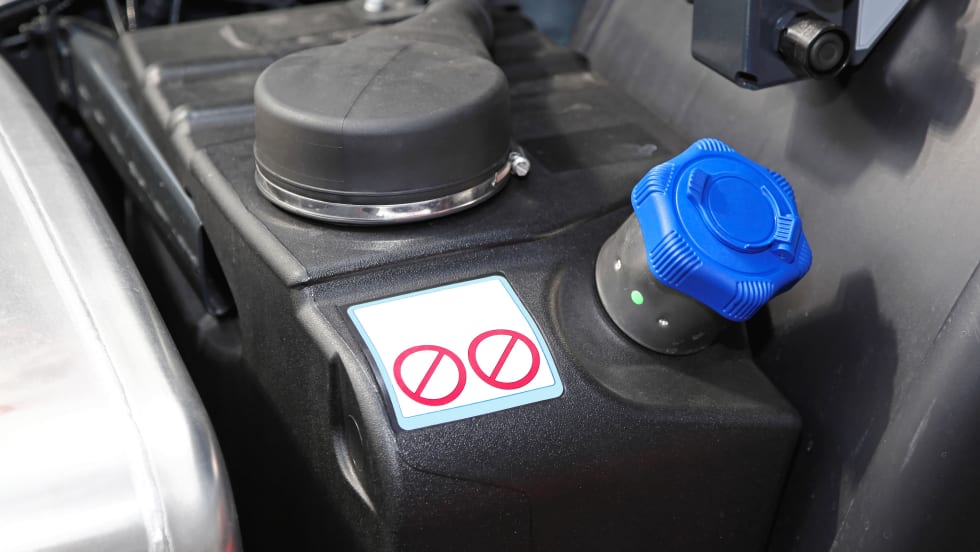
Prepare Diesel Trucks for Winter with Diesel Exhaust Fluid
Understand proper DEF purchasing, handling, and storage practices in order to meet regulatory requirements and operates at peak performance.
Read More →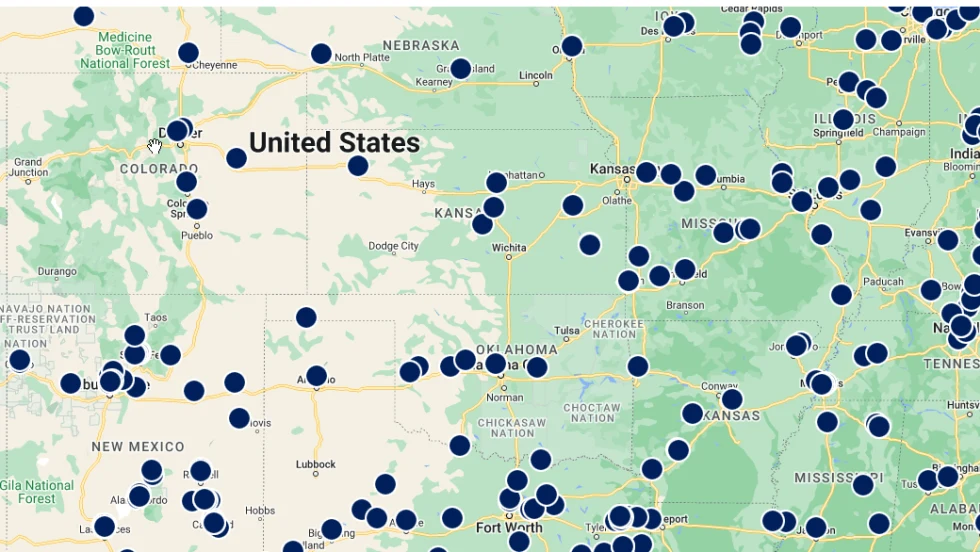
Diesel Exhaust Fluid (DEF) Locator
Yara, a diesel exhaust fluid (DEF) producer, offers a DEF locator website to help get the fluids fleets need.
Read More →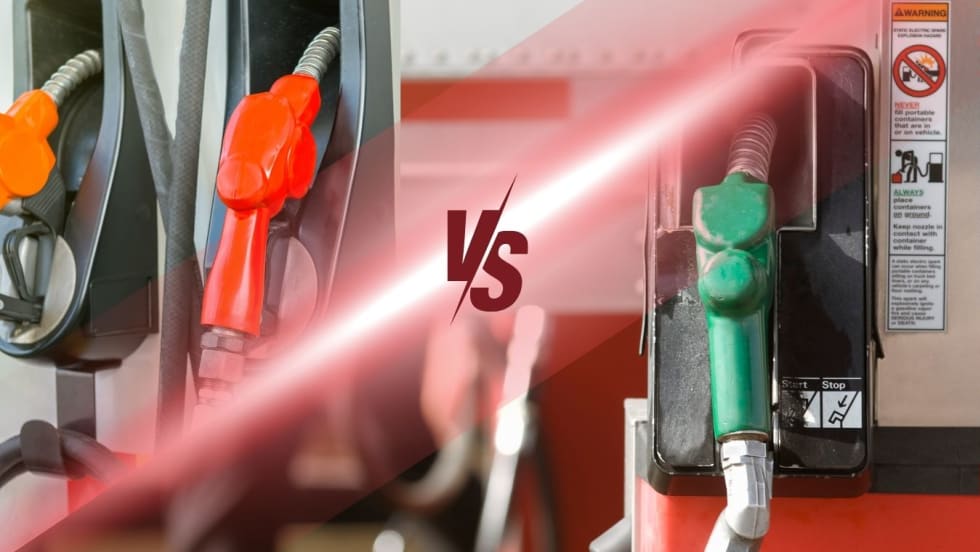
Gas vs. Diesel: The Bad Investment Only Fleet Managers Know About
A major point of debate in fleet management is using diesel vs. gas cars and trucks. Choosing to purchase gasoline engines instead of diesel ones for medium-duty trucks may be an unpopular decision, but is it the right one?
Read More →