




Engine Manufacturers Struggle With B-20 Certification Effort
CHICAGO, IL – The Engine Manufacturers Association (EMA) is struggling to carry out a recently unveiled test specification for determining how 20 percent biodiesel blends (B-20) perform in advanced diesel engines, a top official with the group said this week, noting that many technical barriers remain.
CHICAGO, IL – The Engine Manufacturers Association (EMA) is struggling to carry out a recently unveiled test specification for determining how 20 percent biodiesel blends (B-20) perform in advanced diesel engines, a top official with the group said this week, noting that many technical barriers remain.
Complications in advancing the specifications could impact the California Air Resources Board’s (CARB) upcoming biodiesel policy and general expansion of biodiesel blends statewide and nationally. The biodiesel industry earlier this year pointed to the EMA test specification undertaking as a critical step to bolster acceptance of the fuel.
The South Coast Air Quality District Nov. 7 hosted a forum and roundtable discussion on biodiesel with various biodiesel stakeholders and regulators. The forum included an update from Roger Gault, EMA’s technical director, on the group’s progress in developing biodiesel test specifications, as well as engine operation and warranty issues related to biodiesel.
In June, EMA announced it was seeking the test methods, recognizing that federal and state agencies are aggressively seeking out biodiesel blends as an alternative to petroleum products and to reduce greenhouse gas emissions. EMA said the tests were needed to give engine manufacturers assurance that biodiesel blends are acceptable in terms of safety, engine performance, and emissions.
CARB is expected to soon release a biodiesel policy, which is expected to describe how the board intends to regulate the fuel.
At the Nov. 7 South Coast forum, Gault said because the group has struggled with its B-20 blend specification, it does not anticipate developing test methods for blends above 20 percent. Some of the difficulties encountered during the development of the test specifications relate directly to the overall quality of biodiesel. Regarding technical fuel performance, Gault said EMA is struggling with “water filtration” and “material compatibility issues.”
More Operations
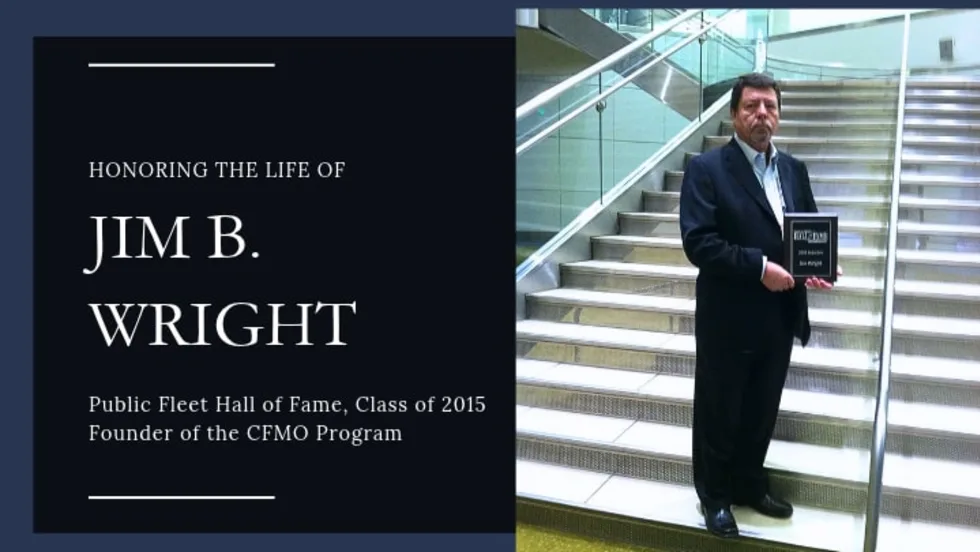
Remembering Jim Wright, Public Fleet Hall of Famer and CFMO Founder
James 'Jim' B. Wright, who founded the Certified Fleet Management Organization (CFMO) program and guided it for many years, died Wednesday evening, Nov. 18.

What Fleet Metrics Can Miss, Plus 2027 Police Vehicle Tests and Awards
What could a healthy-looking fleet metric be hiding? This week’s roundup looks at when to dig deeper, how 2027 patrol vehicles performed in preliminary tests, and how to apply for the Police Fleet Innovators Award.

What Can Disappear After a Fleet Crash?
This week, we look at drone footage, what fleets should document before repairs begin, and share a quick poll.

Does Your Government Fleet Handle Refuse and Waste Operations? Take Our Poll
Government Fleet wants to hear from public-sector fleet professionals about their responsibilities for refuse collection and waste management equipment.

Fleet Replacement Decisions, Waste Fleet Technology and the GFX Deadline
Is your next vehicle the right fit, can your records settle a missed pickup dispute, and what could your fleet teach others at GFX 2027?

Is Delaying Fleet Replacement Really Saving Money?
Could delaying replacement cost your fleet more than it saves? This week’s recap takes a closer look, plus an update on GFX 2027.

What Government Fleets Are Missing About Their True Costs
What are fleet budgets missing, and how can agencies use the data they already collect to make a stronger case for change?

Rethinking Fleet Decisions From the Budget Office to the Shop
This October we looked back at how public fleets are reconsidering familiar processes and using what they learn to make better decisions.

Who Owns the Message on a Refuse Truck?
Refuse trucks can carry public messages into neighborhoods, but keeping those messages current takes planning and clear responsibility.

Who Deserves Fleet Recognition and What Could You Teach at GFX?
Who helped shape your fleet career, and what have you learned that could help someone else?