




DOE Grants Push Clean Energy in Florida
TALLAHASSEE, FL — The Florida Energy Office was awarded nearly $390,000 in grants from the U.S. Department of Energy, according to a report in SolarAccess.com on August 12.
TALLAHASSEE, FL — The Florida Energy Office was awarded nearly $390,000 in grants from the U.S. Department of Energy, according to a report in SolarAccess.com on August 12. Florida was one of eight states in the Southeast to receive the grants, receiving five of the 27 grants awarded. Nationally, the U.S. Department of Energy is providing $16,337,695 for 162 projects in 43 states and the District of Columbia. The grant funding will support:
Gold Coast Clean Cities Coalition, $20,000
The funding will help local municipalities, delivery fleet operators, airport shuttle systems, community transit services, school buses, and state and federal fleets increase their share of alternative-fuel vehicles in their transportation operations. The coalition intends to meet the Clean Cities performance goal of a 17-percent increase in alternative-fuel vehicles in 2004.
Space Coast Clean Cities Coalition, $20,000
Funding will support Florida Space Coast Clean Cities Coalition facilitate the sales of alternative-fuel vehicles and the infrastructure to support those vehicles. The National Clean Cities program and Space Coast Coalition will hold annual public education and outreach campaigns to promote alternative-fuel technology and alternative-fuel vehicle sales. The Coalition intends to meet the Clean Cities performance goal of a 17-percent increase in alternative-fuel vehicles in 2004.
Clean Cities Refueling Infrastructure, $100,000
This project will install refueling and recharging stations for alternative-fuel vehicles (E-85, biodiesel, and electric) at the Miami International Airport. The project supports the use of alternative fuels through the installation of a refueling infrastructure. By disseminating alternative-fuel information and experience to Miami International tenants and other similar fleets in South Florida, the project aims to increase the regional population of alternative-fuel vehicles.
More Operations

A Thanksgiving Feast of Fleet Features
This Thanksgiving, revisit five Government Fleet stories about how public fleets handled some of the year’s most familiar challenges.
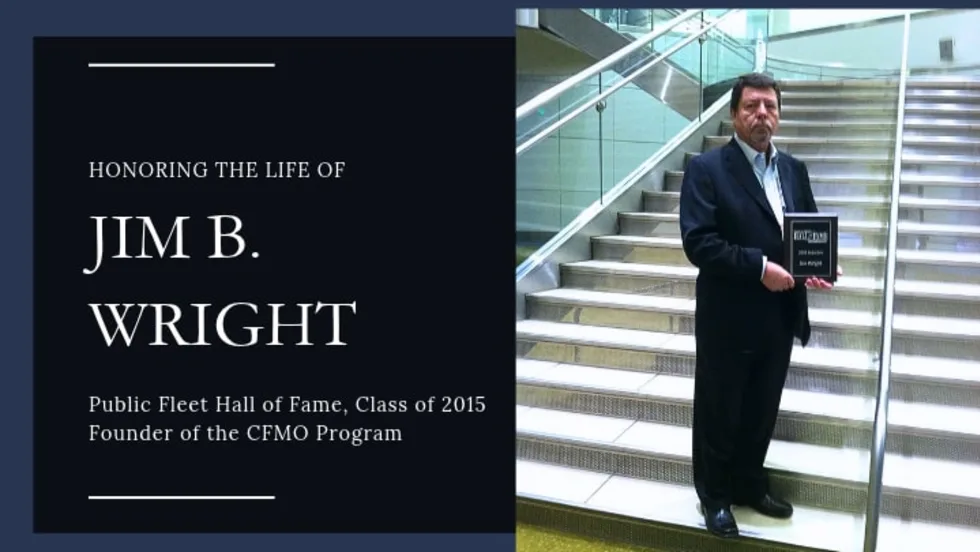
Remembering Jim Wright, Public Fleet Hall of Famer and CFMO Founder
James 'Jim' B. Wright, who founded the Certified Fleet Management Organization (CFMO) program and guided it for many years, died Wednesday evening, Nov. 18.

What Fleet Metrics Can Miss, Plus 2027 Police Vehicle Tests and Awards
What could a healthy-looking fleet metric be hiding? This week’s roundup looks at when to dig deeper, how 2027 patrol vehicles performed in preliminary tests, and how to apply for the Police Fleet Innovators Award.

What Can Disappear After a Fleet Crash?
This week, we look at drone footage, what fleets should document before repairs begin, and share a quick poll.

Does Your Government Fleet Handle Refuse and Waste Operations? Take Our Poll
Government Fleet wants to hear from public-sector fleet professionals about their responsibilities for refuse collection and waste management equipment.

Fleet Replacement Decisions, Waste Fleet Technology and the GFX Deadline
Is your next vehicle the right fit, can your records settle a missed pickup dispute, and what could your fleet teach others at GFX 2027?

Is Delaying Fleet Replacement Really Saving Money?
Could delaying replacement cost your fleet more than it saves? This week’s recap takes a closer look, plus an update on GFX 2027.

What Government Fleets Are Missing About Their True Costs
What are fleet budgets missing, and how can agencies use the data they already collect to make a stronger case for change?

Rethinking Fleet Decisions From the Budget Office to the Shop
This October we looked back at how public fleets are reconsidering familiar processes and using what they learn to make better decisions.

Who Owns the Message on a Refuse Truck?
Refuse trucks can carry public messages into neighborhoods, but keeping those messages current takes planning and clear responsibility.