





Learn More: DJI Expands Data Privacy For Govt., Commercial Drones
DJI Counts 500+ People Rescued By Drones Around The World
This milestone came in mid-October, when sheriff’s deputies used a DJI drone with a thermal imaging camera to find a missing 93-year-old woman in a dark field in Missouri.
December 1, 2020
4 min to read
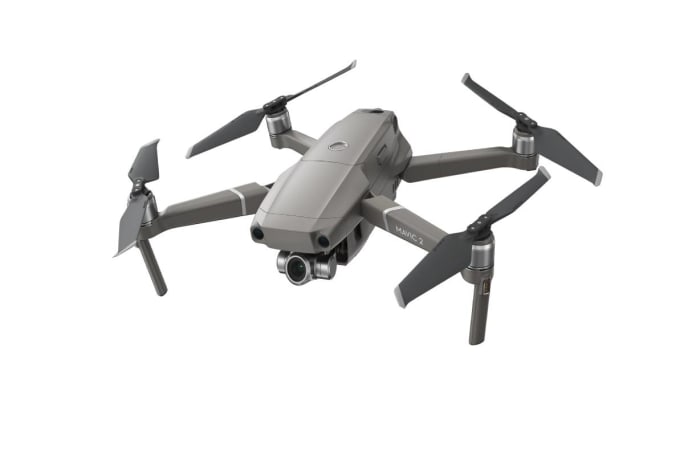
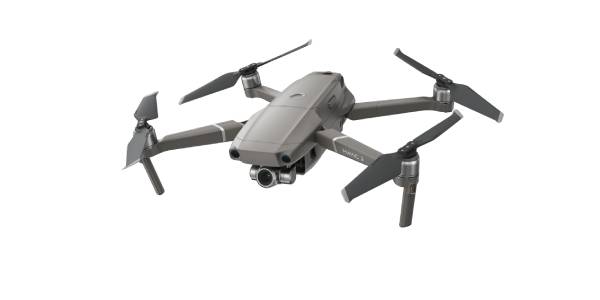
The DJI Mavik Pro 2
More than 500 people around the world have been rescued from danger by drones, according to new statistics collected by DJI. This milestone came in mid-October, when sheriff’s deputies used a DJI drone with a thermal imaging camera to find a missing 93-year-old woman in a dark field in Missouri.
Thermal video from the rescue released by the Cass County Sheriff’s Office shows how the drone spotted Chris Fairchild as a bright yellow dot in the darkness and guided deputies on the ground to her.
“To see that little yellow dot, knowing that’s the person you’re looking for, it feels great,” drone pilot Major Kevin Tieman told a local TV station.
Fairchild was exhausted and had lost a shoe, but was unharmed when she saw the drone overhead: “I kept saying, Come on, I’m here! Come on, I’m here!”
Fairchild’s rescue was one of several recent drone rescues around the world recorded on video and helped propel the global count above 500. In Split, Croatia, on Sept. 30, the Croatian Mountain Rescue Service completed rescue #494 when it learned of a man who had threatened to kill himself and left home, and used their DJI Mavic 2 Enterprise Dual to find him sitting at the edge of a breakwater. On Sept. 10 in the City of Boao on Hainan Island, China, rescuers used a DJI drone to find and rescue three surfers who had fallen into the ocean and could not swim to shore, making them the 488th, 489th, and 490th people to be rescued by a drone.
DJI lists rescues from around the world on the DJI Drone Rescue Map, which tracks more than 300 incidents when police, firefighters, rescue squads, and bystanders have used drones to save people from danger since the first known rescue in 2013. Drones have found missing people in darkness, helped rescuers plot paths out of hazardous terrain, brought life preservers to people struggling in water, and delivered supplies to stranded people.
“Just a few years ago, drones were an experimental technology for innovators in public safety, and civilians with drones often volunteered to help the professionals in emergencies,” said Romeo Durscher, DJI Senior Director of Public Safety Integration. “Today, public safety agencies across the world have adopted drones as a standard piece of equipment, and drones save people from peril every few days. It’s an astonishing success story for public safety, and for the people who are alive today because of drones.”
The 500th rescue occurred in the evening of Oct. 11, 2020 in Cass County, Mo., when the sheriff’s office learned a 93-year-old woman had gone for a walk and had not returned after three and a half hours. After unsuccessfully searching for her on the ground, sheriff’s deputies launched their DJI Matrice 210 drone with an XT2 thermal imaging camera, which located her in four minutes in complete darkness.
“It is our responsibility to use all available technology and training to keep citizens safe. The DJI Matrice 210 and thermal technology has done that,” Tieman said. The sheriff’s office acquired two DJI Mavic 2 Enterprise Dual drones this year, and four deputies are scheduled to start flight training this month.
“With more than 500 people now rescued by drones operated under basic rules, we can see how reasonable regulations with low barriers to entry literally save lives, and how useful expanded drone operations at night and over people will be when they are permitted at scale,” said Brendan Schulman, DJI vice president of policy and legal affairs. “The successful use of drones in emergencies also starkly illustrates the crucial benefits to society placed in jeopardy when policy proposals seek to restrict or limit access to drone technology, or raise the costs of such equipment to public safety officials.”
DJI compiles drone rescues from news stories and social media posts from authoritative sources such as police departments, fire departments, and volunteer rescue squads. Each one is entered on the Drone Rescue Map with the location and date of the incident, a brief description, a link to the original story or post, and an easy way to share those incidents online. The map and DJI’s tally do not include incidents when a drone is simply used as part of a larger search process; instead, a drone must have directly located, assisted, and/or rescued a person in peril.
DJI encourages public safety agencies to add their stories of drone rescues by submitting them using the form at the bottom of the map page. DJI asks anyone submitting information about a rescue to respect the privacy rights and expectations of the persons involved, and to not share any confidential or sensitive information about agency operations.
More Police
Ford Pro Introduces Full-Size 2028 Expedition Police Responder
Ford Pro gave law enforcement customers a first look at the pursuit-rated utility during Police Fleet Expo.
Read More →
Paterson Police Expand Drone Fleet, Launch Real-Time Operations Center
The Paterson Police Department has expanded its drone program and opened a new Real-Time Operations Center designed to support emergency response and incident management. The initiative integrates multiple technologies to provide officers with real-time information during investigations and public safety operations.
Read More →
Why Public Fleet Success Depends on More Than the Vehicles
Tim Coxwell of the Leon County Sheriff’s Office discusses the projects shaping his fleet operation, including long-term work around vehicle selection, greenhouse gas emissions, and cost per mile.
Read More →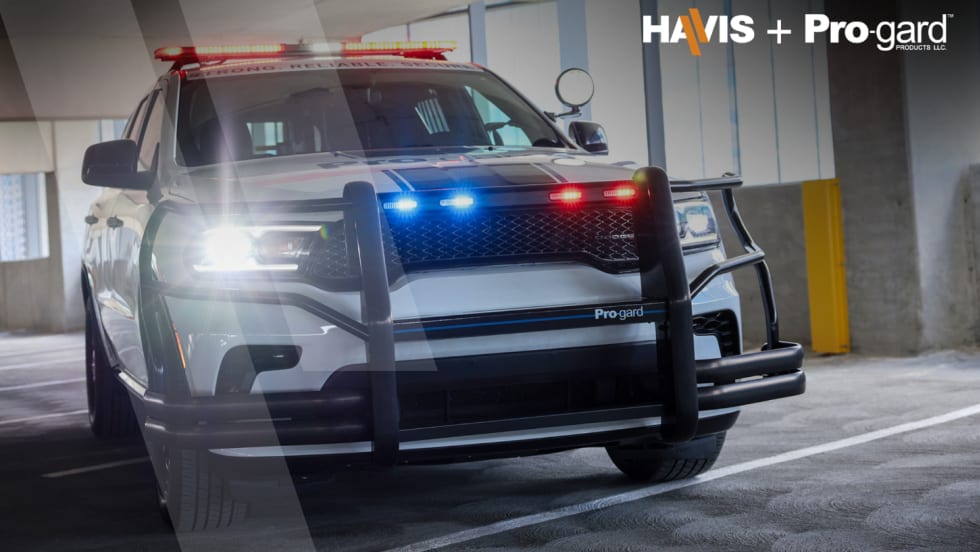
Havis Acquires Pro-gard Products
The acquisition brings together two manufacturers of public safety vehicle equipment under one company. Havis says the move expands its portfolio of products for outfitting law enforcement vehicles and other public safety fleets.
Read More →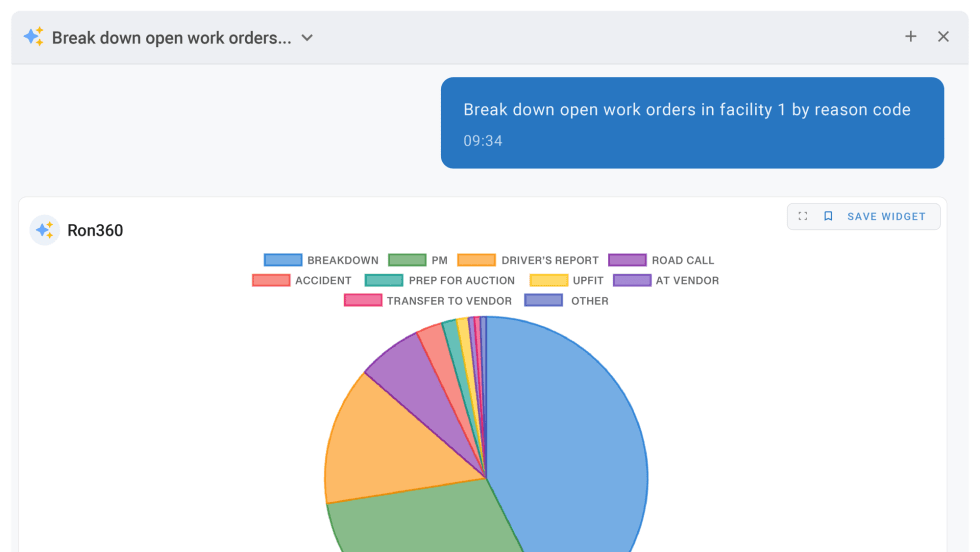
RTA Fleet Introduces AI Assistant for Fleet360 Platform
As artificial intelligence continues to gain traction across public-sector operations, fleet software providers are finding new ways to incorporate the technology into everyday workflows. RTA's latest addition aims to simplify how users interact with fleet data.
Read More →
2026 Police Fleet Innovators Named
Meet the professionals finding new ways to solve some of law enforcement's toughest fleet challenges.
Read More →
Rynse Expands Nationwide Fleet Wash Access for Law Enforcement
The North Carolina Sheriff’s Association Contract Cooperative purchasing contract aims to streamline procurement process for law enforcement agencies across the U.S.
Read More →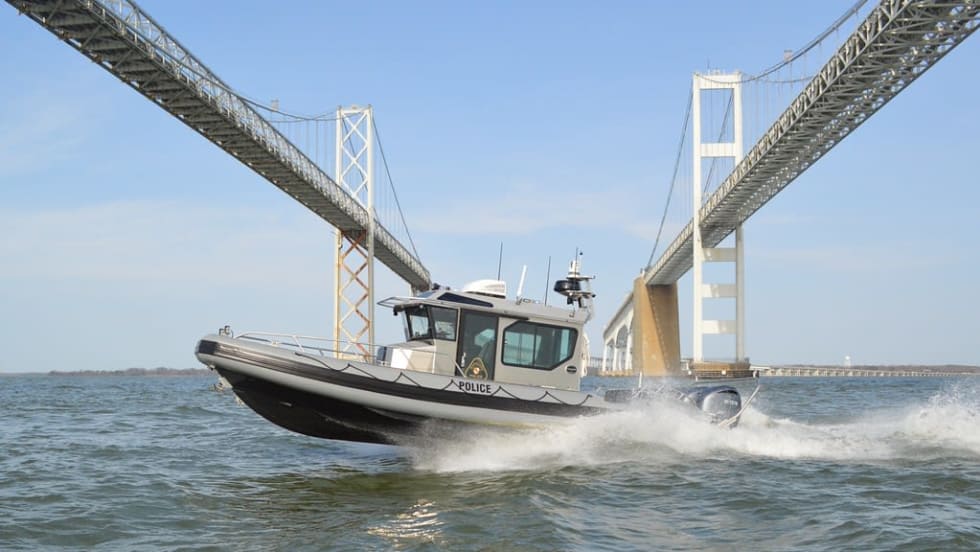
Maryland Natural Resources Police Adds 31-Foot Patrol Boat to Enforcement Fleet
A new addition to Maryland’s marine enforcement fleet is bringing expanded capabilities to Chesapeake Bay operations while honoring a legacy within the agency. The high-performance patrol vessel reflects how law enforcement fleets are adapting to growing demands on the water.
Read More →
LEHR Expands Florida Presence With Enforcement One Acquisition
LEHR has acquired Florida-based emergency vehicle upfitter Enforcement One, marking its eighth add-on acquisition.
Read More →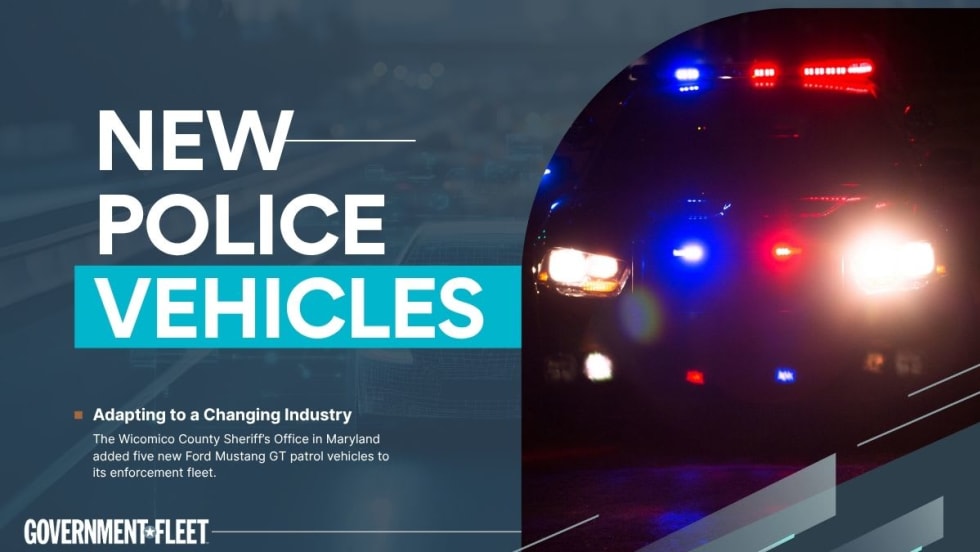
Maryland’s Wicomico County Sheriff Adds Mustang GT Patrol Vehicles
The agency is also working with the Maryland Police Training Commission on a specialized high-performance driving course for deputies assigned to the vehicles.
Read More →