




Denali National Park Tests Propane-Fueled F-250 Pickups
LIVONIA, MI - Denali National Park and Preserve has been testing a ROUSH CleanTech propane autogas Ford F-250 over a six-week span.
LIVONIA, MI - Denali National Park and Preserve has been weighing propane autogas against various alternative fuel options for their fleet vehicles by testing a ROUSH CleanTech propane autogas Ford F-250 over a six-week span.
Propane autogas received a welcome reception in Alaska with the success of last month’s Alaska Propane Technical Summit that exemplified how propane autogas technology can promote job growth and environmental sustainability throughout the state, capturing the interest of local municipalities, government officials and other stakeholders, including Matanuska Electric Association.
“One of the reasons we’ve looked at moving toward propane autogas has been to lower the amount of conventional liquid fuels that move across our state and spill onto rural roads and inside national parks,” said John Quinley, assistant regional director for the National Park Services in Alaska.
Two ROUSH CleanTech propane autogas Ford F-250 pickup trucks have been demonstrating how propane autogas can perform in the sub-freezing Alaskan weather for the past nine months through a program coordinated by the Alaska Natural Gas Development Authority. But just how this clean-burning technology performs in the remote operations of Denali National Park — a 6 million acre wilderness with a single main road — has been the ultimate test of propane autogas performance.
“I’m using the ROUSH CleanTech pickup for my work in daily routine road maintenance, going out to check with the crews, looking at road conditions, and in daily supervision out in the park,” said Tim Taylor, the east district road manager for Denali National Park and Preserve. “I’ve seen absolutely no difference whatsoever between it and the other vehicles in the fleet, other than the starting and fueling procedures. It has the same pep, same power and it pulls fine.”
Many Alaskan fleets operate on ultra-low sulfur diesel fuel that is trucked in by ice road trucks. The process is considered expensive and dangerous, and fuel spillage often occurs in remote locations where the terrain is rough. More than 4 million gallons of propane surfaces from the North Slope in Alaska every day, making this domestic alternative fuel readily available. In fact, 90 percent of all U.S. propane supplies are produced domestically. In addition, propane autogas is non-toxic and, if spilled, will not harm soil or groundwater.
“National Parks should be leaders in sound environmental practices because they are stewards of some of the most amazing landscapes in the country. By weighing alternative fuel options like propane autogas, we’re taking steps toward reducing harmful environmental impacts,” said Quinley. “Propane has so much availability in Alaska, so utilizing these propane autogas vehicles is a great match for Alaska National Park Service.”
Propane autogas burns cleaner in engines than gasoline and diesel, resulting in reduced maintenance costs and the potential for a longer engine life. Historically, propane autogas costs about 30 percent less per gallon than gasoline.
“Denali National Park and Preserve, with its remote, rugged terrain, is the perfect place to prove ROUSH CleanTech propane autogas technology is an environmentally sustainable and economically feasible alternative fuel that can perform in the starkest of conditions, while minimizing operational costs for the park,” said Todd Mouw, vice president of sales and marketing for ROUSH CleanTech. “Environmentally friendly propane autogas can help keep our national parks beautiful for many generations to come.”
While the propane autogas vehicles work to prove their power and performance in the secluded parklands of Denali, additional Alaskan business fleet managers are showing interest in this alternative fuel solution.
“As a kid in Oklahoma 60 years ago, I drove tractors, trucks and cars that burned propane. They were extremely economical and the engines lasted forever. The crankcase oil never turned black. When disassembled for overhaul, the engine interior inside looked brand new. I have always been convinced propane is the fuel of the future — easily handled, economical, in great supply and clean burning,” said Joe Griffith, CEO for Matanuska Electric Association. “I am going to try it for a backup fuel for my new 180 megawatt power plant and potentially some of our fleet vehicles.”
More Fuel
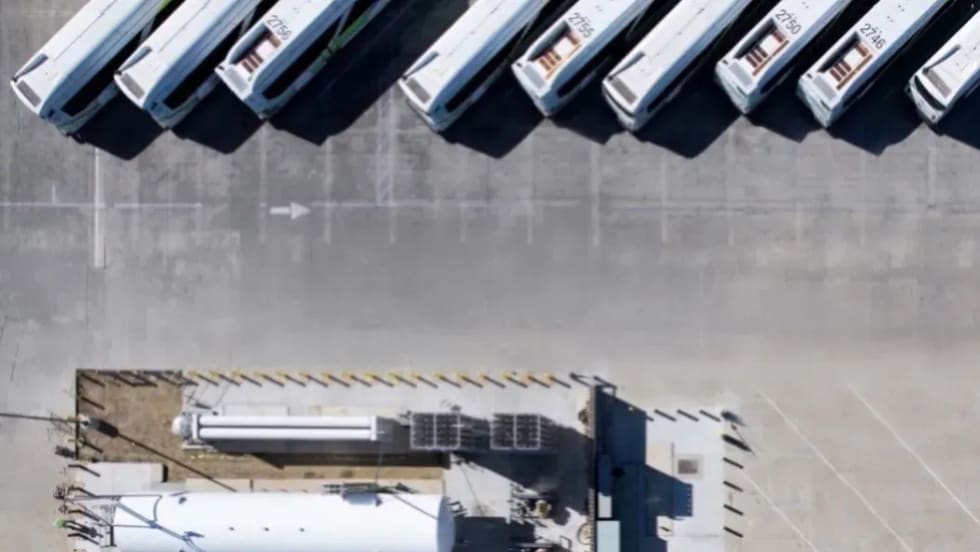
Clean Energy to Build Hydrogen Station for Orange County Transportation Authority
The new station will support the agency’s growing fleet of zero-emission hydrogen fuel cell buses.
Read More →
How Fleet Managers Reduce Fuel Waste and Protect Budgets
When fuel prices swing, fleet averages don’t tell the whole story. This white paper helps fleet and operations leaders uncover where fuel waste really hides and what data they need to build a smarter, more resilient fuel strategy.
Read More →
Planning for Future Technologies: Hydrogen and Beyond
As public agencies work to cut emissions from off-road operations, fleets are turning to a mix of renewable fuels, hybrid systems, battery-electric equipment and emerging hydrogen technology.
Read More →
RoadFlex Expands Fuel Network with Refuel Partnership
RoadFlex expands its fueling network for public sector fleets through a new partnership with Refuel, adding more than 250 locations across the Southeastern U.S. to improve access, savings, and efficiency.
Read More →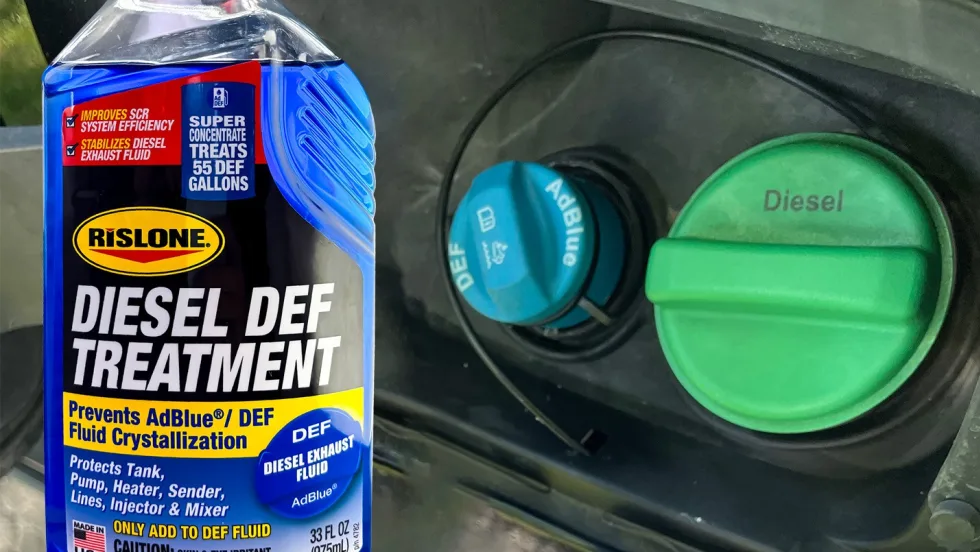
Rislone DEF Treatment Designed to Keep Diesel Exhaust Fluid Crystal-Free
Rislone is rolling out a super-concentrated version of its Diesel DEF Treatment that is designed to stabilize and improve diesel exhaust fluid.
Read More →
Are Bi-Fuel Propane Autogas Vehicles Making Law Enforcement Fleets More Resilient, Cost-Effective?
How a Florida sheriff office’s choice in fuel system led to a healthier budget, increased resiliency, and decreased emissions.
Read More →
Fleets All-In On Fuel Management Tech
Fuel management can become a tricky obstacle, but smart strategies and new tech have turned it into a well-oiled machine where price prediction is art, and cost control is science.
Read More →
Prepare Diesel Trucks for Winter with Diesel Exhaust Fluid
Understand proper DEF purchasing, handling, and storage practices in order to meet regulatory requirements and operates at peak performance.
Read More →
Diesel Exhaust Fluid (DEF) Locator
Yara, a diesel exhaust fluid (DEF) producer, offers a DEF locator website to help get the fluids fleets need.
Read More →
Gas vs. Diesel: The Bad Investment Only Fleet Managers Know About
A major point of debate in fleet management is using diesel vs. gas cars and trucks. Choosing to purchase gasoline engines instead of diesel ones for medium-duty trucks may be an unpopular decision, but is it the right one?
Read More →