




Cochise County Practicing ‘Green’ Fleet Practices Before it Was ‘Right’
BISBEE, AZ – A recent study released by Duke University reports that Americans should take a more realistic look at the actual efficiency of fuel consumption in vehicles.
BISBEE, AZ – A recent study released by Duke University reports that Americans should take a more realistic look at the actual efficiency of fuel consumption in vehicles.
Rather than running out and purchasing the latest and greatest hybrid vehicle, greater gains in fuel consumption can be made by just switching up a model or two from larger gas consuming vehicles: a strategy that has been practiced by Cochise County and proven successful for several years, according to www.douglasdispatch.com.
Inspired while carpooling in a hybrid car, Duke study authors conducted a series of experiments showing that the current standard, miles per gallon or mpg, leads consumers to believe that fuel consumption is reduced at an even rate as efficiency improves. A more accurate measurement would be to consider how many gallons it would take to drive a certain distance.
The County Fleet Management Department began working with County leaders to switch out and replace larger sedans and less fuel efficient vehicles several years ago. County management realized that replacing these with smaller sedans was not only a prudent decision to save on purchasing costs, but also a long-term savings in overall fuel efficiency.
The County’s forethought to replace the larger sedans has saved the County about two gallons per mile for a long time, and according to the study that is significant, even more so with the newer models. The savings would look like the following:
Using the calculation of how many gallons it would take to drive 100 miles:
· Larger sedan (18 miles per gallon) around 5.5 gallons per mile gpm.
· Smaller sedan (about 28 miles per gallon) get about 3.6 (gpm).
· Savings difference of about $8 today.
· Small hybrid vehicle (at 55 miles per gallon) would get around 2.2 gpm.
The County plans to continue using sedans for most departments while looking at other fuel savings alternatives, including training employees in defensive driving for fuel savings, encouraging business and personal carpooling options, and purchasing hybrid vehicles on a pilot basis. Some departments, who utilize both pickup trucks and sedans, have already made a change in their driving habits by assigning more fuel-efficient sedans to inspectors and field personnel who accumulate more miles.
More Green Fleet
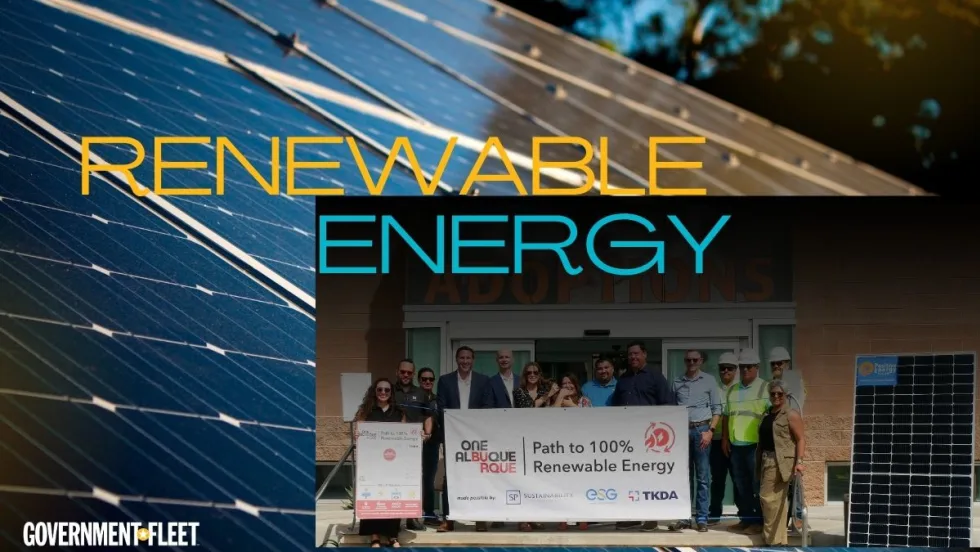
Sustainability Partners, Energy Systems Group Help Albuquerque Close the Gap on its 100% Renewable Energy Goal
The eight-site, 6 MW solar project has advanced the city toward 100% renewable energy for municipal operations.
Read More →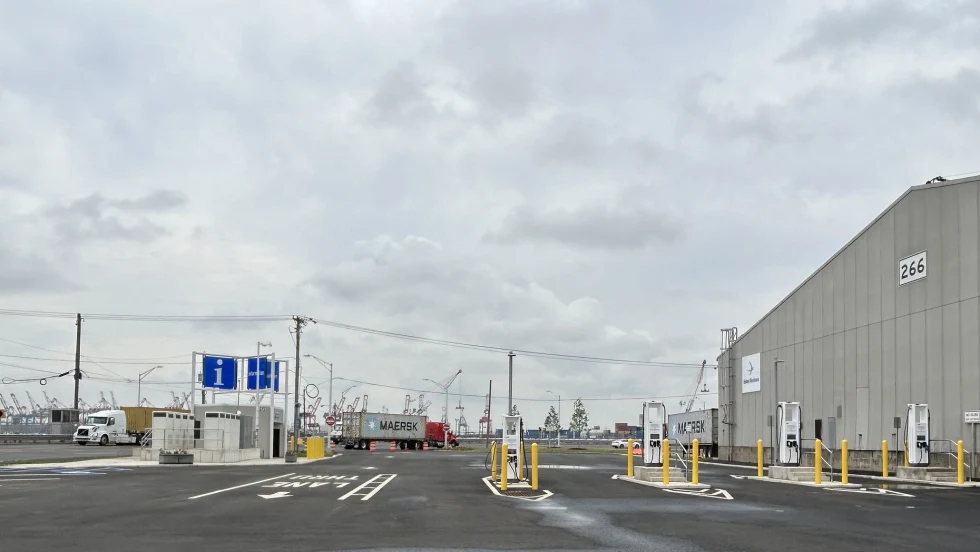
Port Authority and CALSTART Launch $45 Million Electric Truck and Charging Programs
The programs aim to boost sustainable operations across the East Coast's busiest seaport.
Read More →
Moving Government Fleets Beyond the Vehicle Purchase: EV as a Service
A discussion on how EVaaS is moving beyond pilot programs and what fleets should consider before beginning a larger deployment.
Read More →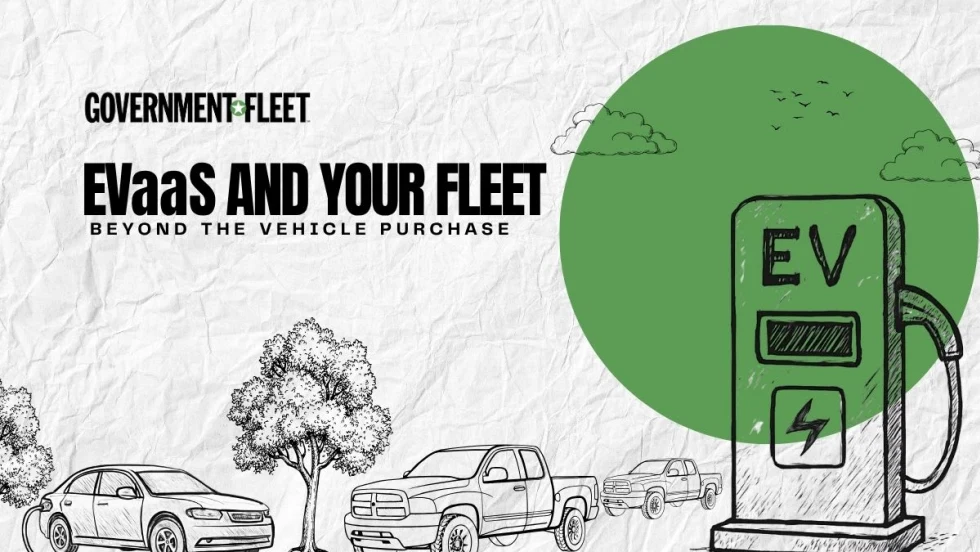
Moving Government Fleets Beyond the Vehicle Purchase: EV as a Service
As fleets move beyond small EV pilots, Sustainability Partners CEO Adam Cain explains how EVaaS can address the infrastructure and long-term planning required for larger deployments.
Read More →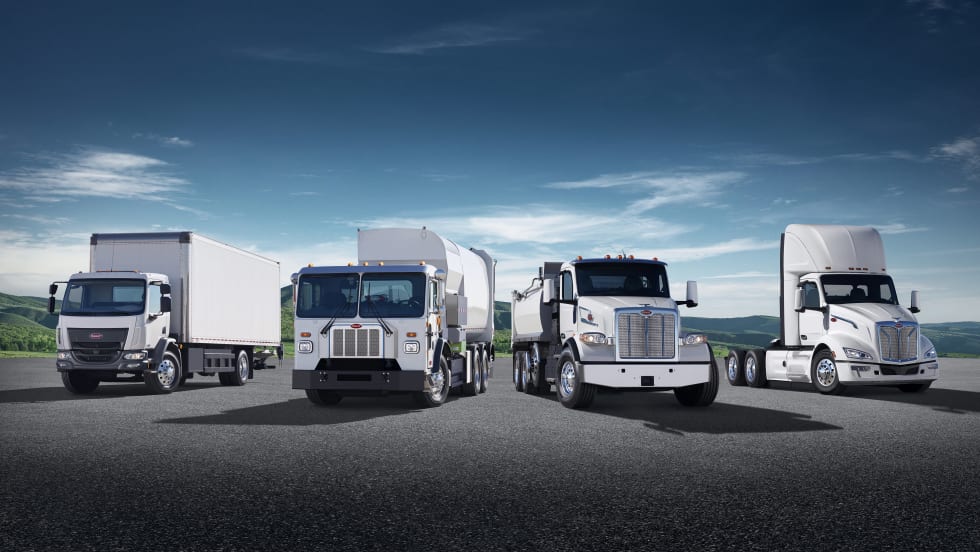
Peterbilt Expands Sourcewell Partnership with Electric Vehicle Lineup
The agreement aims to provide streamlined procurement of Peterbilt trucks for government, education, nonprofit and tribal organizations across the United States and Canada.
Read More →
EV Adoption & Charging Challenges
Where is your fleet in the journey of vehicle electrification? If you're still looking for answers to fleet electrification you've come to the right place.
Read More →
Hawaii Passes Clean Fuel Policy
Hawaii lawmakers passed clean fuel legislation that could support renewable natural gas production, biogas-powered transportation, and lower-carbon fueling options for public and commercial fleets.
Read More →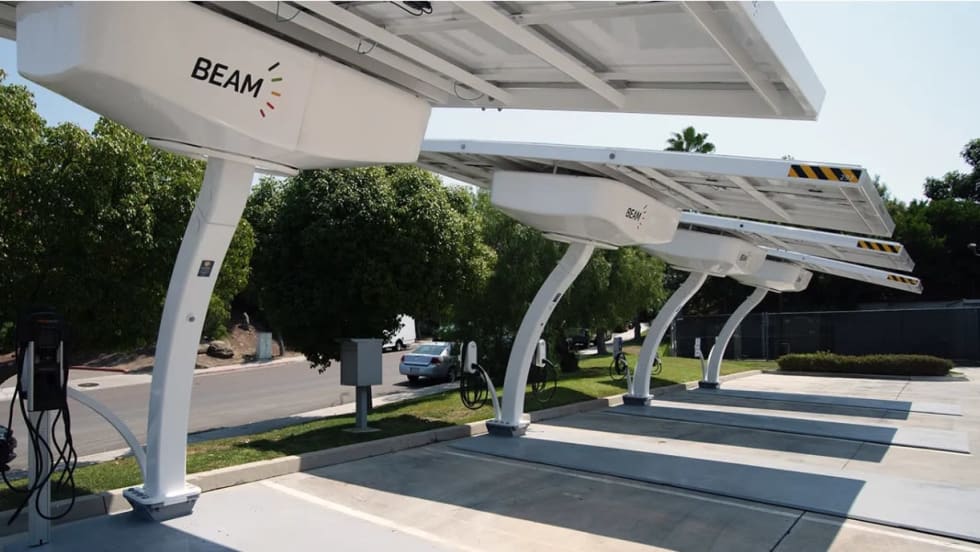
Stanislaus County Deploys Ten Beam Global EV ARC Systems to Support County Fleet Electrification
Stanislaus County deployed 10 off-grid solar-powered EV charging systems and a mobile charging trailer from Beam Global to support its electric fleet operations and emergency response flexibility.
Read More →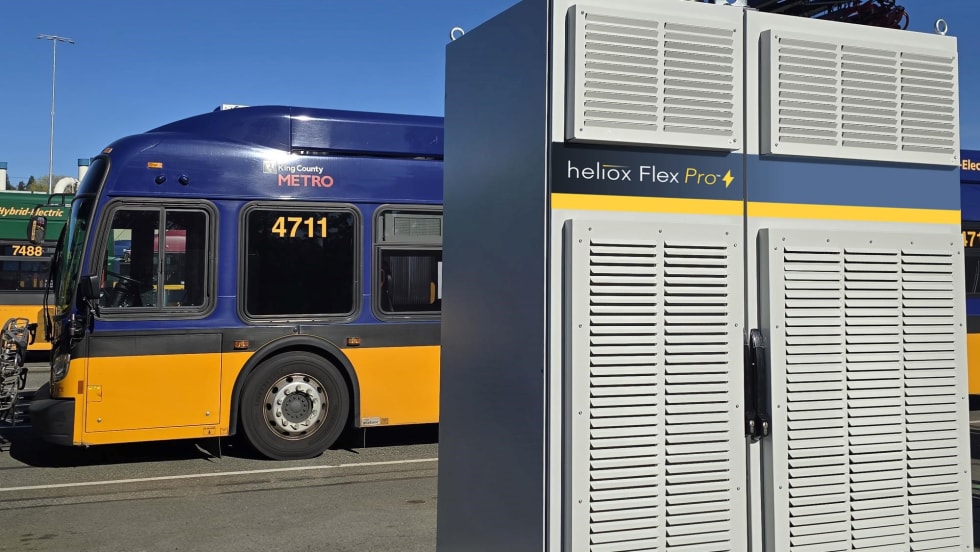
Heliox Pilots 480-kW Bus Charger with King County Metro
King County Metro is piloting Heliox’s new 480-kW Flex Pro charger to support expansion of its battery-electric bus fleet and depot charging infrastructure. The compact charging system supports pantograph and plug-in charging configurations for high-density transit operations.
Read More →