





Similar Content: Continental Renames Urban Waste Transport Tires
Continental Tests E-Truck Tire Prototypes
The tire manufacturer is currently performing test drives with an electric truck from Futuricum.
July 12, 2021
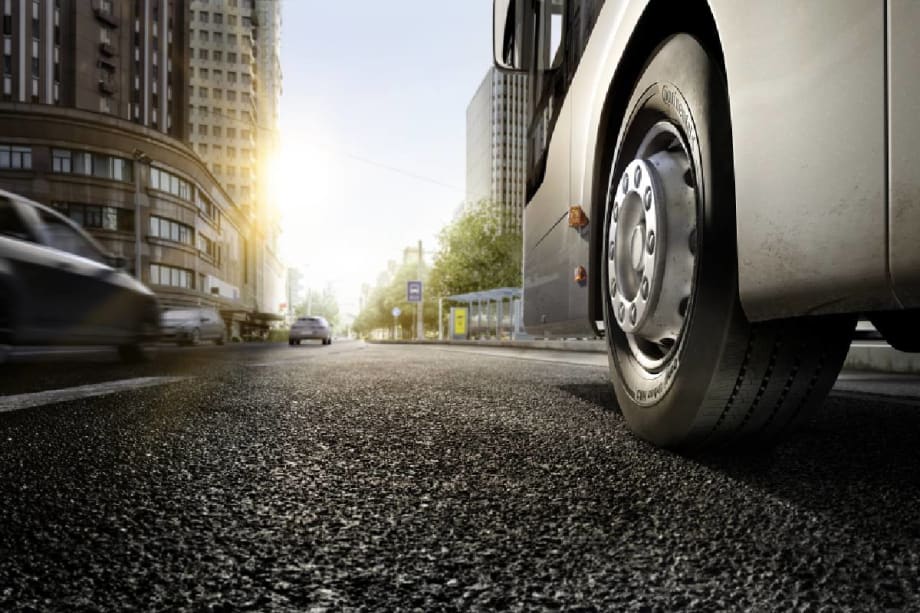
The tire manufacturer is currently performing test drives at the Contidrom, Continental’s prototype and benchmark tire test facility, with an electric truck from Futuricum.
Photo: Continental
2 min to read
Electric drives are not only becoming increasingly attractive in the area of individual mobility, but are also experiencing a dynamic development in demand in local public transport and freight transportation. Together with vehicle manufacturers and technology companies, Continental is working on tire solutions for these special requirements. The tire manufacturer is currently performing test drives at the Contidrom, Continental’s prototype and benchmark tire test facility, with an electric truck from Futuricum.
The Futuricum vehicle is based on a Volvo FH, which has been converted to an electric drive by Futuricum parent company Designwerk Products AG. The 19-ton truck has 680 hp and, with a capacity of 680 kilowatt hours, has the largest truck battery in Europe on board. This allows a range of up to 760 kilometers without freight.
“The vehicle has been on the road in Swiss regional traffic since the beginning of the year and is currently rolling on tires of the Continental EcoRegional product line,” says Hinnerk Kaiser, head of tire development, Bus and Truck Tires at Continental. “The combination of Conti EcoRegional HS3 and HD3 already enables high mileage and extremely low rolling resistance and thus offers the essential characteristics for the economical operation of electrically powered commercial vehicles.”
The current test series are about increasing efficiency even further. The focus is in particular on extending the range by reducing rolling resistance. In addition to the original tires, brand-new prototypes are used in direct comparison. The specially manufactured prototypes were manufactured using an elaborate robot carving process and refined by experienced tire carvers.
“As with all electric drives, the tires for the Futuricum Logistics 18E are exposed to higher torque during start off and acceleration,” explains Hinnerk Kaiser. “At the same time, the weight and weight distribution of the tractor are increased by the particularly powerful battery. Therefore, the tires must not only have a low rolling resistance, but also withstand heavier loads than tires for comparable vehicles with internal combustion engines. At the same time, they should last just as long and meet the same safety requirements as truck tires for conventional drives.”
Balancing the conflicting goals, especially mileage, braking, and handling performance, at an ever higher level is technically demanding. At the same time, in view of the rapid development of the e-mobility segment, the engineers are in a race against time. The concept tire development is intended to significantly shorten the development time regardless of existing tire generations.
More Green Fleet
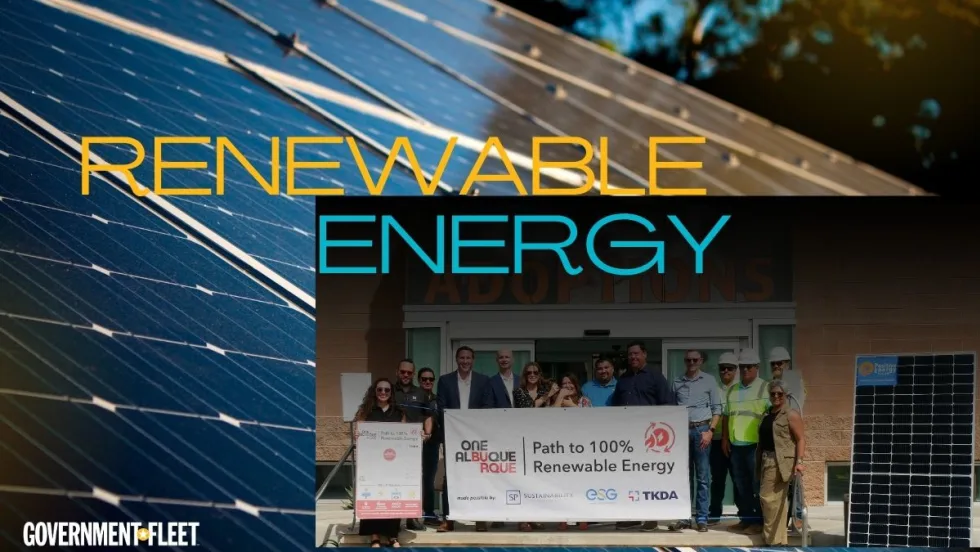
Sustainability Partners, Energy Systems Group Help Albuquerque Close the Gap on its 100% Renewable Energy Goal
The eight-site, 6 MW solar project has advanced the city toward 100% renewable energy for municipal operations.
Read More →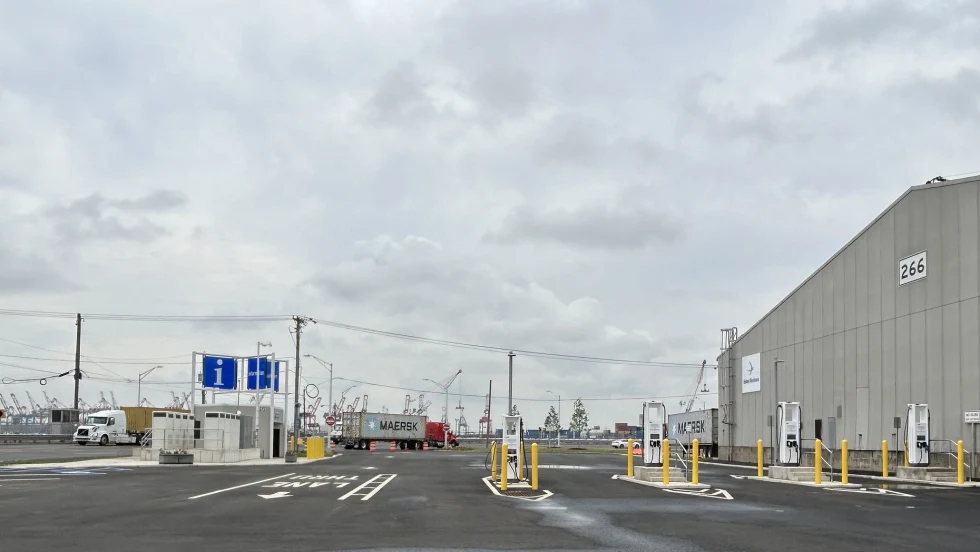
Port Authority and CALSTART Launch $45 Million Electric Truck and Charging Programs
The programs aim to boost sustainable operations across the East Coast's busiest seaport.
Read More →
Moving Government Fleets Beyond the Vehicle Purchase: EV as a Service
A discussion on how EVaaS is moving beyond pilot programs and what fleets should consider before beginning a larger deployment.
Read More →
Moving Government Fleets Beyond the Vehicle Purchase: EV as a Service
As fleets move beyond small EV pilots, Sustainability Partners CEO Adam Cain explains how EVaaS can address the infrastructure and long-term planning required for larger deployments.
Read More →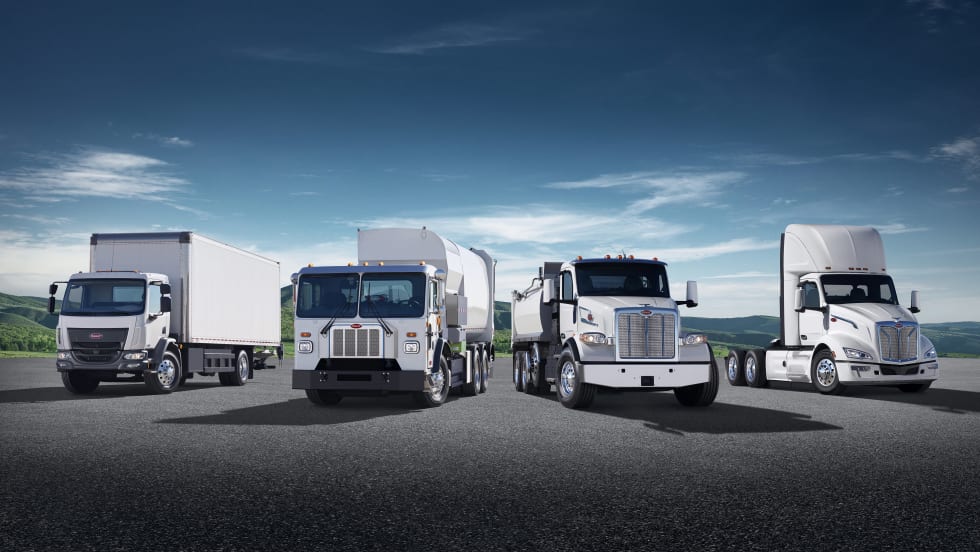
Peterbilt Expands Sourcewell Partnership with Electric Vehicle Lineup
The agreement aims to provide streamlined procurement of Peterbilt trucks for government, education, nonprofit and tribal organizations across the United States and Canada.
Read More →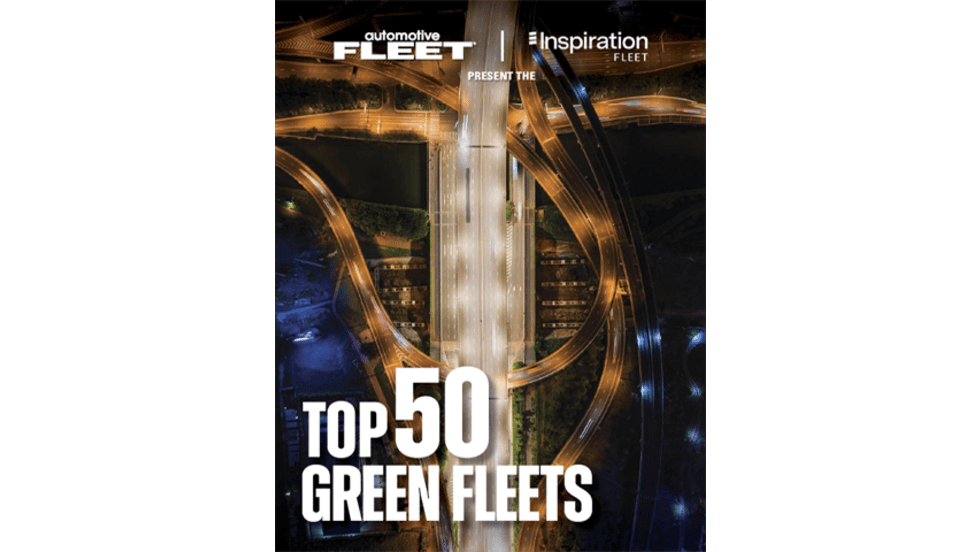
EV Adoption & Charging Challenges
Where is your fleet in the journey of vehicle electrification? If you're still looking for answers to fleet electrification you've come to the right place.
Read More →
Hawaii Passes Clean Fuel Policy
Hawaii lawmakers passed clean fuel legislation that could support renewable natural gas production, biogas-powered transportation, and lower-carbon fueling options for public and commercial fleets.
Read More →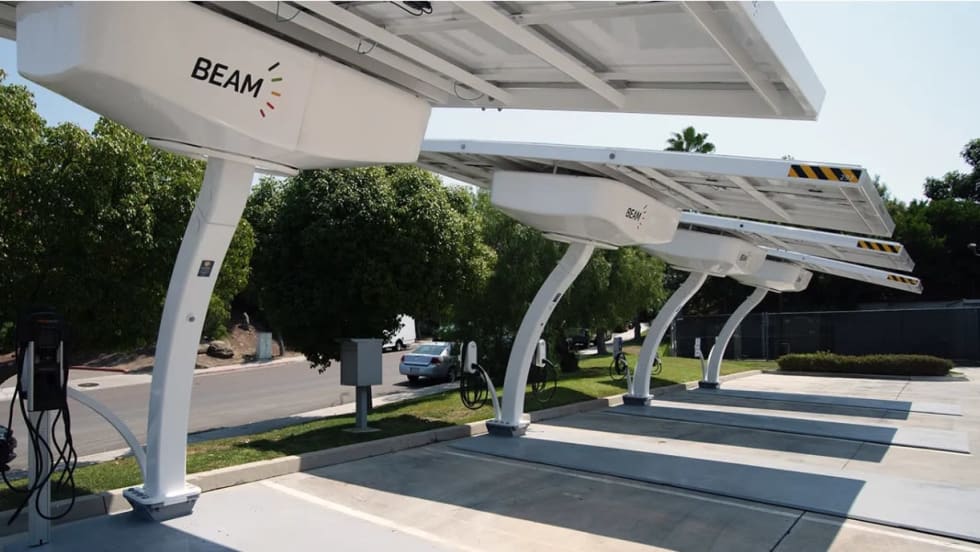
Stanislaus County Deploys Ten Beam Global EV ARC Systems to Support County Fleet Electrification
Stanislaus County deployed 10 off-grid solar-powered EV charging systems and a mobile charging trailer from Beam Global to support its electric fleet operations and emergency response flexibility.
Read More →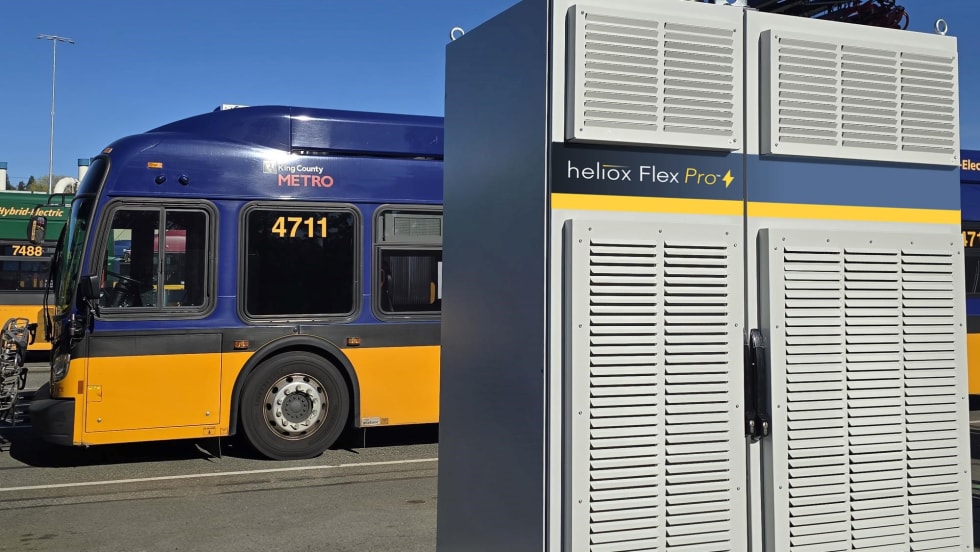
Heliox Pilots 480-kW Bus Charger with King County Metro
King County Metro is piloting Heliox’s new 480-kW Flex Pro charger to support expansion of its battery-electric bus fleet and depot charging infrastructure. The compact charging system supports pantograph and plug-in charging configurations for high-density transit operations.
Read More →