





Related: Battery-Electric Vehicles for 2019
Colorado Fleet Details Path to 200 EVs by 2020
In order to meet its 200-vehicle goal, the state will need to buy at least 60 vehicles each year for the next two fiscal years.
February 27, 2019
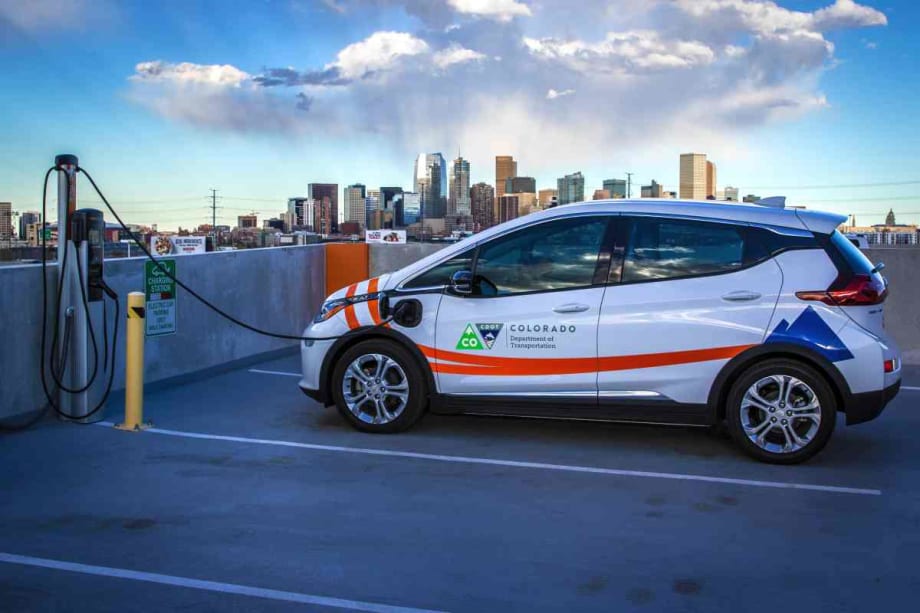
The State of Colorado has 35 electric vehicles in its fleet and has purchased 26 more this fiscal year.
Photo courtesy of State of Colorado
2 min to read
In January, Colorado Governor Jared Polis signed an executive order with directives to support the transition to zero-emission vehicles. Among these directives are a recommitment to reaching 940,000 electric vehicles (EVs) in Colorado by 2030.
Scott Edwards, CAFM, state fleet manager, is working on this transition to electrified vehicles, including the Colorado EV Plan goal of 200 EVs in the state fleet or on order by December 2020. He manages the state fleet of 6,500 vehicles used by all departments except the Department of Transportation.
The state has started its rollout of battery-electric vehicles (BEVs) and plug-in hybrid electric vehicles (PHEVs) in its 40-vehicle central motor pool in 2016 to get employees more familiar with the vehicle platforms. The motor pool now has two EVs and five PHEVs.
“It’s a small sample but it’s a proof of concept that has worked out well. People are getting more accustomed to it,” Edwards said.
The challenge is to increase the state’s fleet of electrified vehicles from 15 BEVs and 20 PHEVs to 200 in three procurement cycles. The team worked with Sawatch Labs to identify vehicles that could best be replaced by EVs, focusing on vehicles due for replacement.
“The idea was to make sure that when we place EVs, we place them where they will be successful. A bad placement could create a ripple effect that limits our ability to make future EV purchases,” said Christian Williss, director of the transportation fuels & technology for the Colorado Energy Office.
The state ordered 26 electrified vehicles this fiscal year, many of which are being used as shared or pooled vehicles.
State Fleet Management’s vehicle makeup consists of 30% trucks, and with no OEMs offering electrified trucks, the options are limited. The program is focusing on purchasing passenger vehicles, including Fords, Chevrolets, and Toyotas. They’re chosen based on total cost of ownership and grant funding availability. As more models become available, other manufacturer's models will be added.
A state statute mandates that an alternative-fuel vehicle must meet a 10% cost threshold of a petroleum-fueled vehicle, taking into consideration total cost of ownership. Edwards said Fleet Management works with legislation to budget for the potential higher cost of the vehicles.
As for charging infrastructure, Williss said agencies can apply for a grant tprovides 80% of the funding for charging equipment and installation.
In order to meet its 200-vehicle goal, the state will need to buy at least 60 vehicles each year for the next two fiscal years. Williss and Edwards are optimistic this will happen.
“I think we’re going to come very close, if not exceed that goal,” Williss said. “Everything is pointing in the right direction.”
More Green Fleet
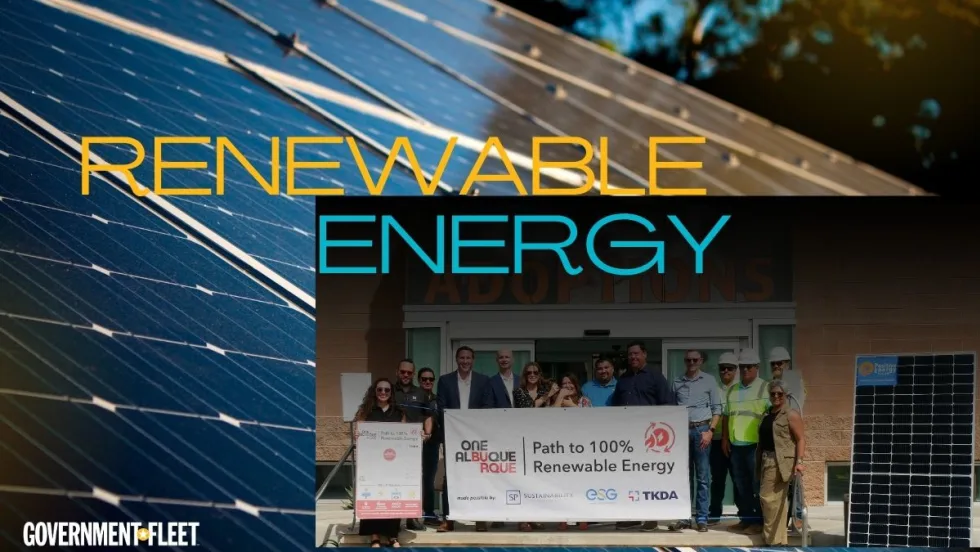
Sustainability Partners, Energy Systems Group Help Albuquerque Close the Gap on its 100% Renewable Energy Goal
The eight-site, 6 MW solar project has advanced the city toward 100% renewable energy for municipal operations.
Read More →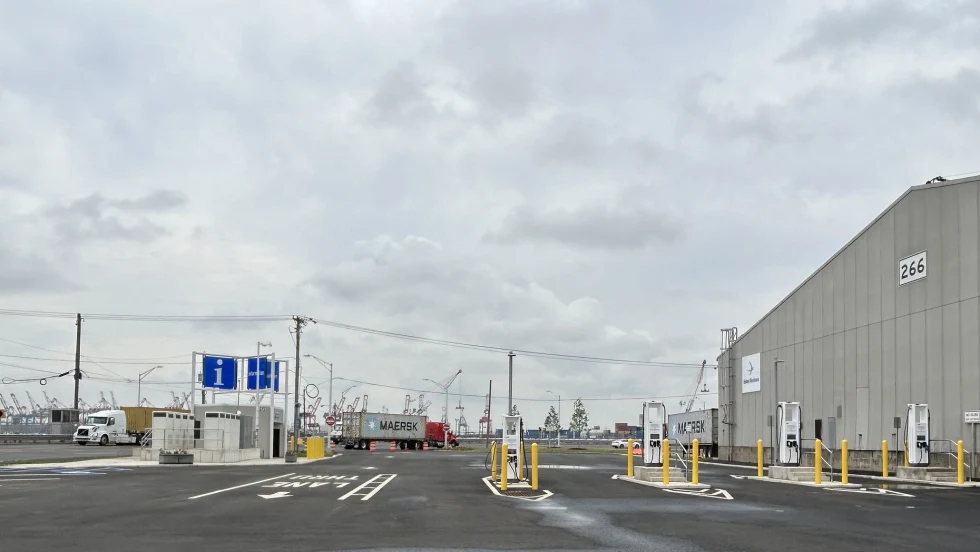
Port Authority and CALSTART Launch $45 Million Electric Truck and Charging Programs
The programs aim to boost sustainable operations across the East Coast's busiest seaport.
Read More →
Moving Government Fleets Beyond the Vehicle Purchase: EV as a Service
A discussion on how EVaaS is moving beyond pilot programs and what fleets should consider before beginning a larger deployment.
Read More →
Moving Government Fleets Beyond the Vehicle Purchase: EV as a Service
As fleets move beyond small EV pilots, Sustainability Partners CEO Adam Cain explains how EVaaS can address the infrastructure and long-term planning required for larger deployments.
Read More →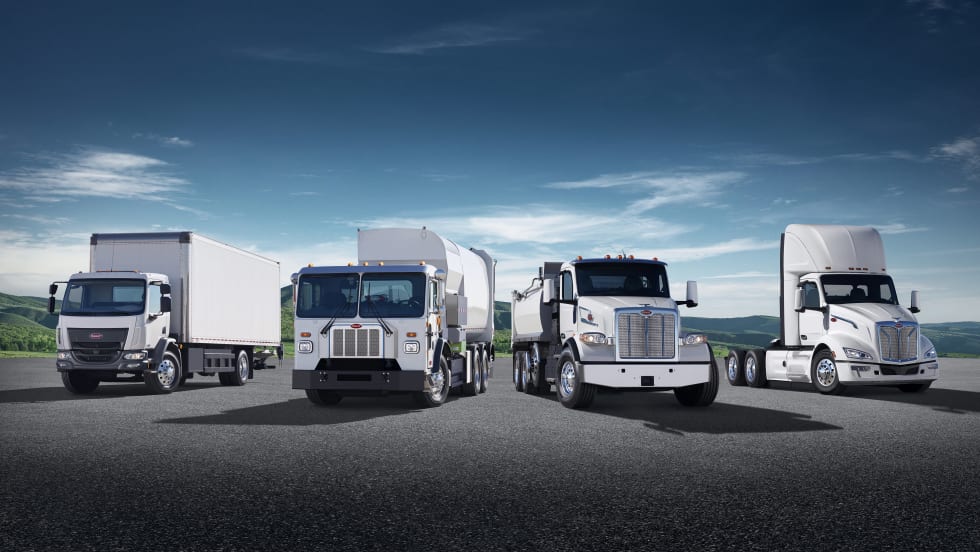
Peterbilt Expands Sourcewell Partnership with Electric Vehicle Lineup
The agreement aims to provide streamlined procurement of Peterbilt trucks for government, education, nonprofit and tribal organizations across the United States and Canada.
Read More →
EV Adoption & Charging Challenges
Where is your fleet in the journey of vehicle electrification? If you're still looking for answers to fleet electrification you've come to the right place.
Read More →
Hawaii Passes Clean Fuel Policy
Hawaii lawmakers passed clean fuel legislation that could support renewable natural gas production, biogas-powered transportation, and lower-carbon fueling options for public and commercial fleets.
Read More →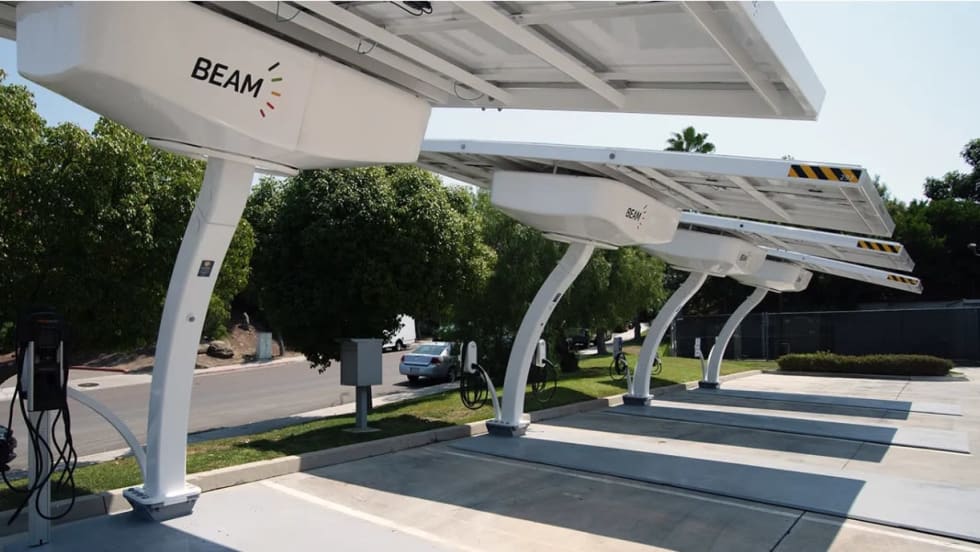
Stanislaus County Deploys Ten Beam Global EV ARC Systems to Support County Fleet Electrification
Stanislaus County deployed 10 off-grid solar-powered EV charging systems and a mobile charging trailer from Beam Global to support its electric fleet operations and emergency response flexibility.
Read More →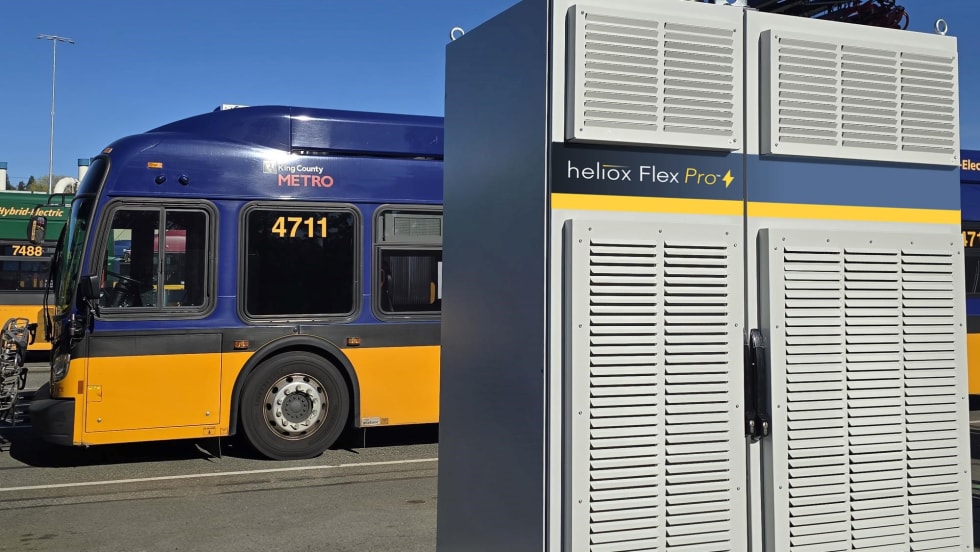
Heliox Pilots 480-kW Bus Charger with King County Metro
King County Metro is piloting Heliox’s new 480-kW Flex Pro charger to support expansion of its battery-electric bus fleet and depot charging infrastructure. The compact charging system supports pantograph and plug-in charging configurations for high-density transit operations.
Read More →