




City of Newark First in Nation Using Cars to Power Grid
NEWARK, DE - The City of Newark, Delaware became the first electric utility in the U.S. to use a car to store and provide power for the local electric grid.
NEWARK, DE - The City of Newark, Delaware became the first electric utility in the U.S. to use a car to store and provide power for the local electric grid.
The vehicle, which runs on electricity alone, is specifically designed to store energy and improve grid reliability.
University of Delaware researchers helped develop the concept, called Vehicle-to-Grid (V2G). With the City of Newark's approval, the UD team is now conducting V2G testing at two outlets within the City's service territory.
Cities including San Francisco and Austin, TX have seriously considered the idea, but Newark (population: 30,000) is the first to officially put it into action.
University of Delaware Associate Professor of Marine Policy Willett Kempton explained how the technology benefits the grid operator. Currently, there is no energy storage built into the electric grid system, meaning that electricity usage and electricity generation must be simultaneous. As fluctuating renewable sources, such as solar and wind power, become a larger fraction of our electric generation, energy storage will help grid operators smooth power output fluctuations.
"Wind tends to blow stronger at night when the electric load is low," he said. "If electric vehicles charged at night with wind power, the grid operator could use the energy in the batteries, when vehicles aren't needed for driving and are plugged in, to help maintain grid reliability. The vehicle owner would then be paid for providing these energy services at a greater value than what they paid for the electricity."
Those savings add up to thousands per year. Kempton plugs his car in at his Newark home, and while it sits, he says, it stores enough energy to power 7 to 8 homes on his block for approximately 30 minutes.
Kempton and his team plan to have a fleet of six vehicles by the end of 2009, two at UD and four operated by the state of Delaware. The test fleet will be used to demonstrate multiple V2G vehicles working together and supplying energy as a single power plant. The City of Newark's approval paves the way for larger-scale adoption of V2G electric vehicles nationwide, helping to advance the nation's electric grid infrastructure and reduce oil consumption.
The City of Newark is responsible for ensuring the energy source will not feed power back to the grid when power lines are down. This approval process for V2G electric vehicles is similar to the process used to certify solar photovoltaic systems. It is critical to maintaining the safety of line workers during a power outage.
Sam Sneeringer, the City's Assistant Electric Director, describes the reasoning behind the certification process by saying, "Solar PV systems and V2G vehicles are tested to the same standards and treated the same within the city's approval process because electricity from the car's batteries or from a solar panel is indistinguishable to the electric grid and presents the same potential safety risks to linemen."
The University of Delaware and utility company, Delmarva Power, conducted initial testing of this safety requirement before the vehicle was thoroughly tested to IEEE standards at the National Renewable Energy Laboratory in Golden, Colo.
More Green Fleet
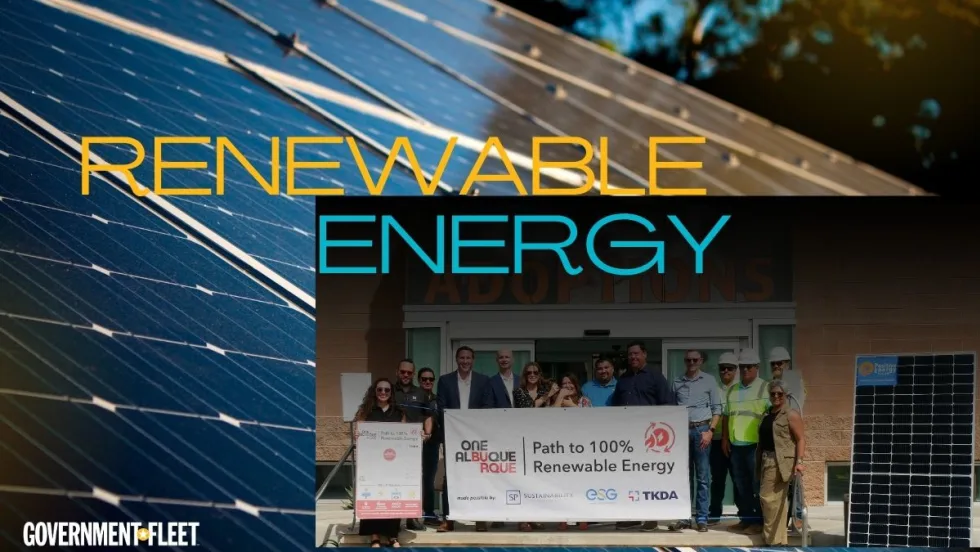
Sustainability Partners, Energy Systems Group Help Albuquerque Close the Gap on its 100% Renewable Energy Goal
The eight-site, 6 MW solar project has advanced the city toward 100% renewable energy for municipal operations.
Read More →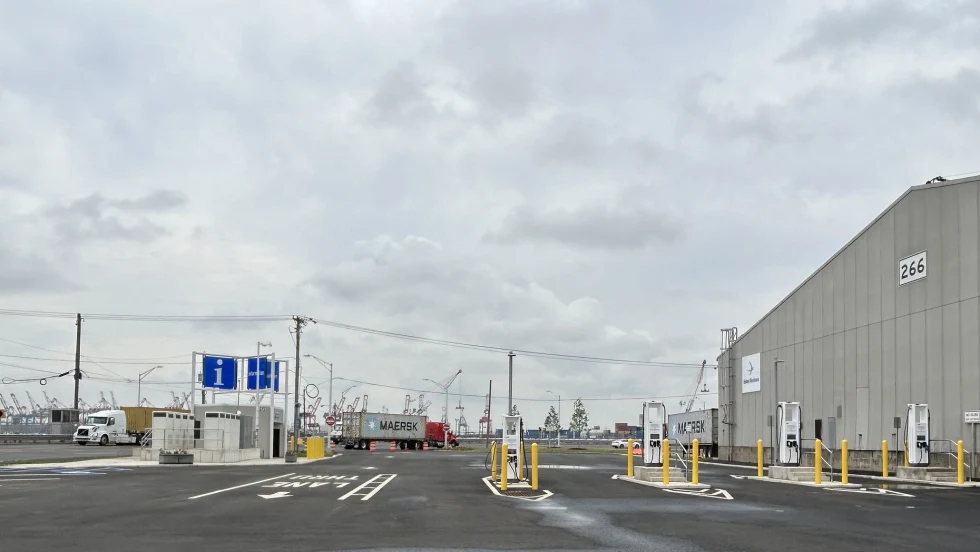
Port Authority and CALSTART Launch $45 Million Electric Truck and Charging Programs
The programs aim to boost sustainable operations across the East Coast's busiest seaport.
Read More →
Moving Government Fleets Beyond the Vehicle Purchase: EV as a Service
A discussion on how EVaaS is moving beyond pilot programs and what fleets should consider before beginning a larger deployment.
Read More →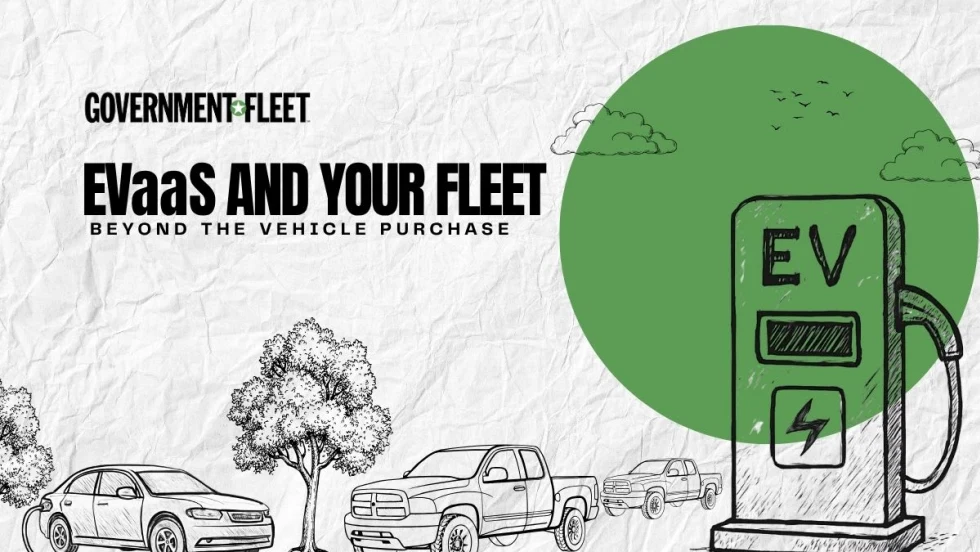
Moving Government Fleets Beyond the Vehicle Purchase: EV as a Service
As fleets move beyond small EV pilots, Sustainability Partners CEO Adam Cain explains how EVaaS can address the infrastructure and long-term planning required for larger deployments.
Read More →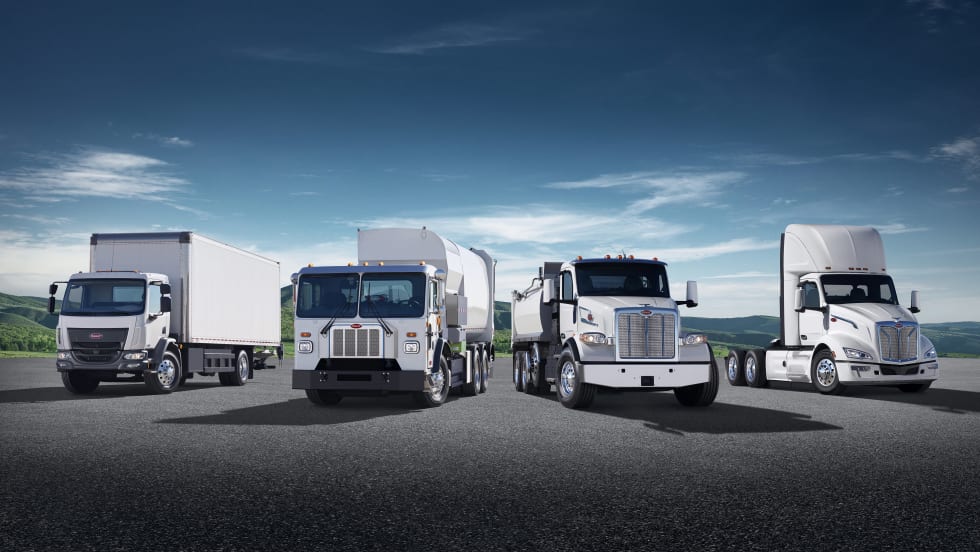
Peterbilt Expands Sourcewell Partnership with Electric Vehicle Lineup
The agreement aims to provide streamlined procurement of Peterbilt trucks for government, education, nonprofit and tribal organizations across the United States and Canada.
Read More →

EV Adoption & Charging Challenges
Where is your fleet in the journey of vehicle electrification? If you're still looking for answers to fleet electrification you've come to the right place.
Read More →
Hawaii Passes Clean Fuel Policy
Hawaii lawmakers passed clean fuel legislation that could support renewable natural gas production, biogas-powered transportation, and lower-carbon fueling options for public and commercial fleets.
Read More →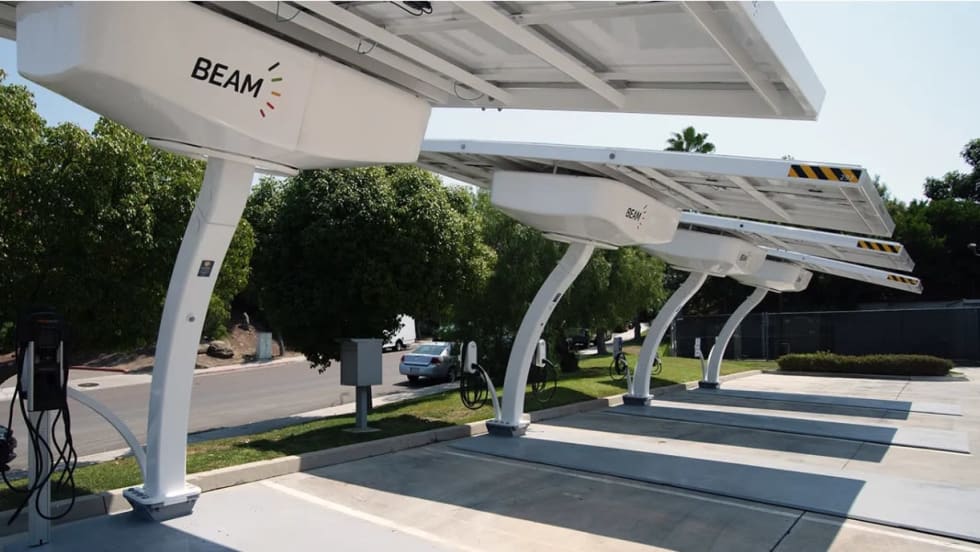
Stanislaus County Deploys Ten Beam Global EV ARC Systems to Support County Fleet Electrification
Stanislaus County deployed 10 off-grid solar-powered EV charging systems and a mobile charging trailer from Beam Global to support its electric fleet operations and emergency response flexibility.
Read More →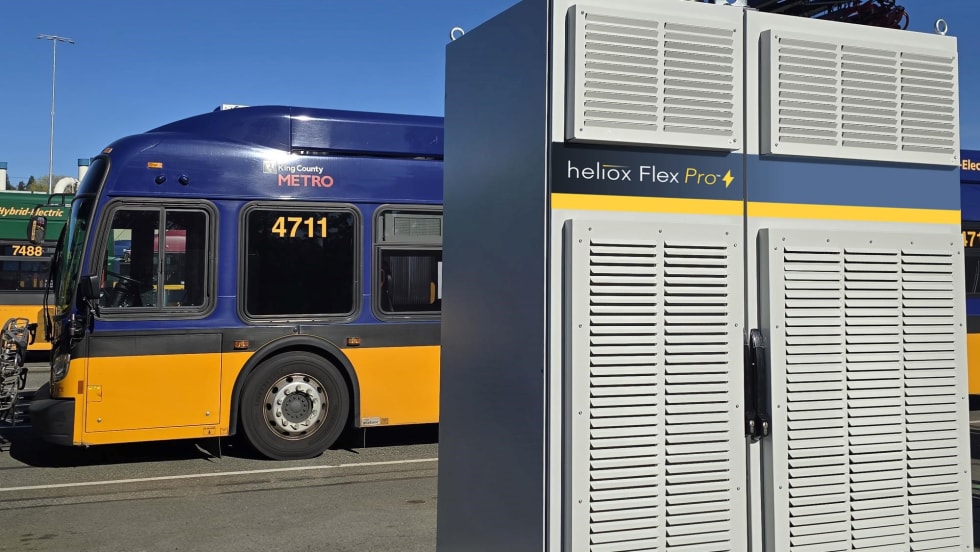
Heliox Pilots 480-kW Bus Charger with King County Metro
King County Metro is piloting Heliox’s new 480-kW Flex Pro charger to support expansion of its battery-electric bus fleet and depot charging infrastructure. The compact charging system supports pantograph and plug-in charging configurations for high-density transit operations.
Read More →