




City of Marinette Converts Police Cruiser to Run on Propane Autogas
MARINETTE, WI - The City of Marinette Police Department converted a Ford Crown Victoria to run on propane autogas. The conversion is expected to save up to $5,000 in fuel costs annually.
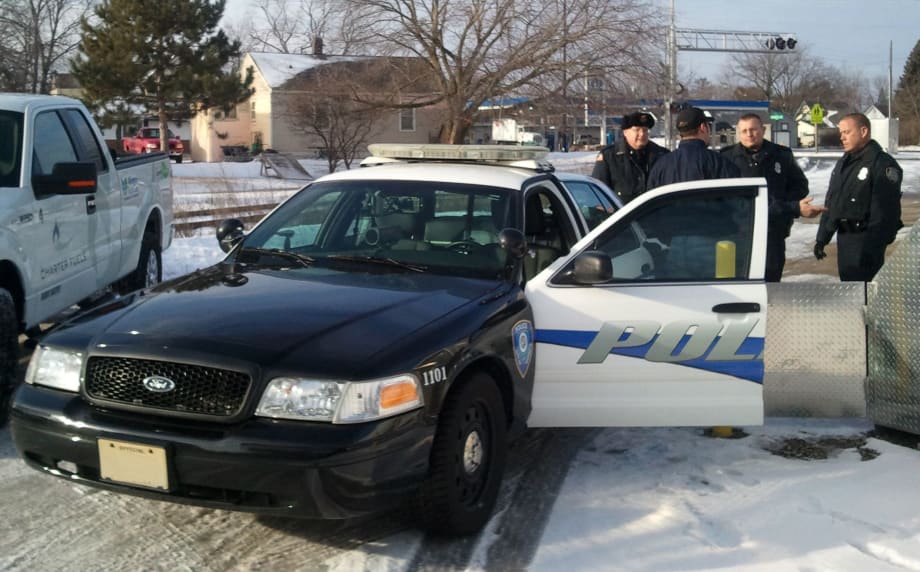
With the Ford Crown Victoria propane-autogas conversion, the City will potentially save $5,000 in fuel costs annually with one propane vehicle on the road.
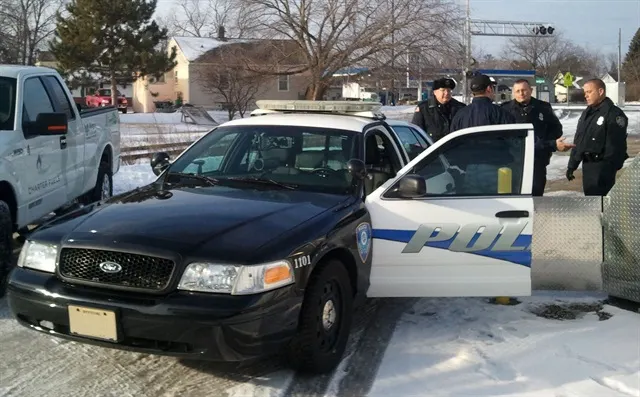
With the Ford Crown Victoria propane-autogas conversion, the City will potentially save $5,000 in fuel costs annually with one propane vehicle on the road.
MARINETTE, WI - The City of Marinette Police Department recently converted a 2011 Ford Crown Victoria Interceptor to run on propane autogas. With estimated savings of more than $25 each time the vehicle refills, the City will potentially save $5,000 in fuel costs annually with just one propane vehicle on the road, according to a release from Charter Fuels.
Charter Fuels, a Wisconsin-based partner in the national Alliance AutoGas network, coordinated the vehicle conversion and will provide autogas fuel as part of the Alliance AutoGas complete program for fleets. Charter also held a training session to show Marinette police how to safely and effectively operate and fuel the vehicle.
The Marinette PD has a fleet of 12 vehicles, six of which are marked patrol cars. The Crown Vic was nine months old and had roughly 30,000 miles on it when converted. The City paid for the vehicle conversion, which cost $5,800. It will be fueled at a Charter fuel station in the City.
"We were able to lock in the price of propane autogas for an entire year, and not having to worry about the fluctuating price of gasoline and what it has done to our budget in the recent past was a big plus," said Lt. Bryan Knapp. "Autogas is also a cleaner-burning fuel, reducing emissions into the environment, as well as causing less wear and tear on the engine. The useful life of the oil, spark plugs, and other engine components is extended, saving money on vehicle maintenance."
Bill Langlois of Charter Fuels said fuel costs will be even greater as gasoline prices increase. Autogas is historically around $1 per gallon less than gasoline, and autogas fleets also report savings from reduced vehicle maintenance needs because autogas burns cleaner. Autogas conversions from Alliance utilize the bi-fuel Prins Vapor Sequential Injection (VSI) system, which allows drivers to revert to gasoline if an autogas fueling station cannot be reached when the tank is running low. The unique ability of the vapor system to be transferred from one vehicle to another makes it an especially viable option for fleets.
Source: Charter Fuels
More Green Fleet
Sustainability Partners, Energy Systems Group Help Albuquerque Close the Gap on its 100% Renewable Energy Goal
The eight-site, 6 MW solar project has advanced the city toward 100% renewable energy for municipal operations.
Read More →
Port Authority and CALSTART Launch $45 Million Electric Truck and Charging Programs
The programs aim to boost sustainable operations across the East Coast's busiest seaport.
Read More →
Moving Government Fleets Beyond the Vehicle Purchase: EV as a Service
A discussion on how EVaaS is moving beyond pilot programs and what fleets should consider before beginning a larger deployment.
Read More →
Moving Government Fleets Beyond the Vehicle Purchase: EV as a Service
As fleets move beyond small EV pilots, Sustainability Partners CEO Adam Cain explains how EVaaS can address the infrastructure and long-term planning required for larger deployments.
Read More →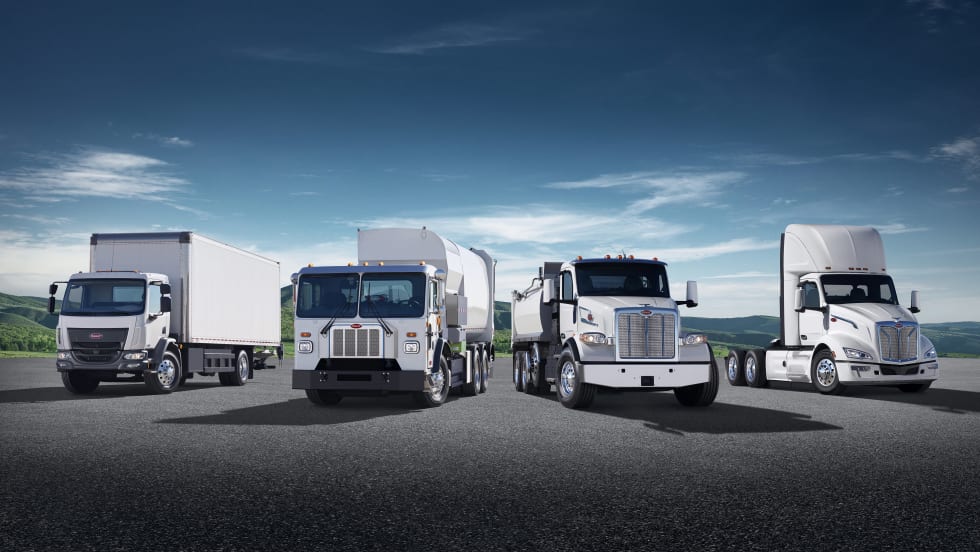
Peterbilt Expands Sourcewell Partnership with Electric Vehicle Lineup
The agreement aims to provide streamlined procurement of Peterbilt trucks for government, education, nonprofit and tribal organizations across the United States and Canada.
Read More →
EV Adoption & Charging Challenges
Where is your fleet in the journey of vehicle electrification? If you're still looking for answers to fleet electrification you've come to the right place.
Read More →
Hawaii Passes Clean Fuel Policy
Hawaii lawmakers passed clean fuel legislation that could support renewable natural gas production, biogas-powered transportation, and lower-carbon fueling options for public and commercial fleets.
Read More →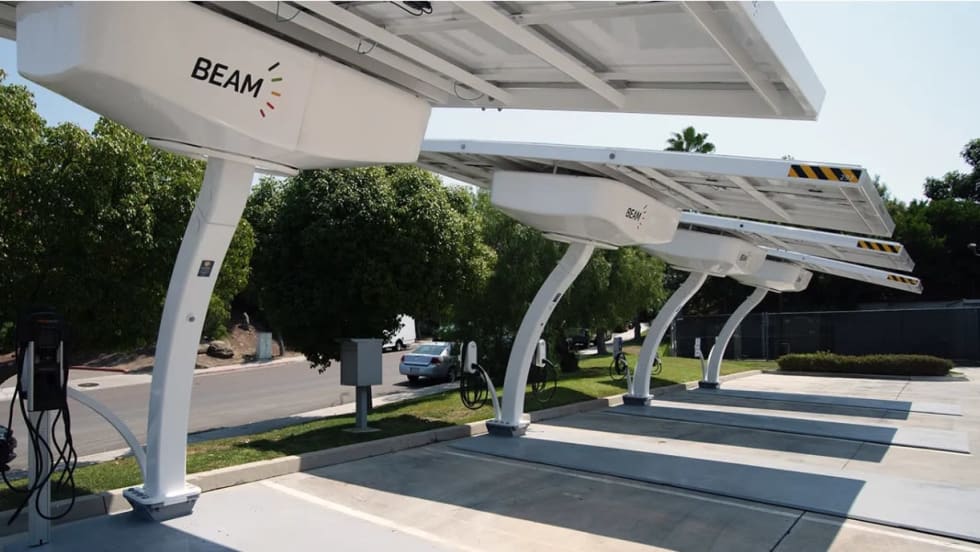
Stanislaus County Deploys Ten Beam Global EV ARC Systems to Support County Fleet Electrification
Stanislaus County deployed 10 off-grid solar-powered EV charging systems and a mobile charging trailer from Beam Global to support its electric fleet operations and emergency response flexibility.
Read More →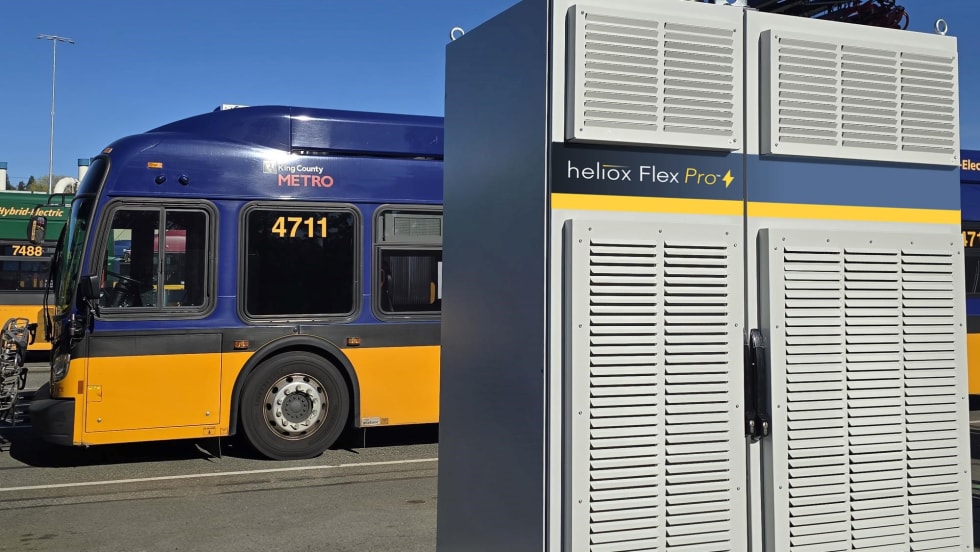
Heliox Pilots 480-kW Bus Charger with King County Metro
King County Metro is piloting Heliox’s new 480-kW Flex Pro charger to support expansion of its battery-electric bus fleet and depot charging infrastructure. The compact charging system supports pantograph and plug-in charging configurations for high-density transit operations.
Read More →