




City of Boston Approves Ford Transit Connect Taxi Use
BOSTON - The City of Boston is the first municipality in America to approve the Ford Transit Connect for taxi use.
BOSTON- The City of Boston became the first municipality in America to approve the Ford Transit Connect for taxi use. According to Ford, this paves the way for taxi owners to purchase the new vehicle for their fleets.
"We're very impressed with the Transit Connect," said Mark Cohen, director, Licensing Division, Boston Police Department. "It's the closest thing to a purpose-built vehicle for taxi use that I've seen in 25 years."
Boston, the 10th largest metropolitan area in the United States, regulates which types of vehicles can be used as taxicabs in its city streets. To be approved for taxi use, a vehicle must meet basic size requirements for headroom, legroom and cargo space.
"The size, shape and configuration of the Transit Connect make it comfortable for both driver and passengers," said Cohen. "When the Ford Crown Victoria goes out of production next year the taxi industry here in Boston and throughout the country is going to be looking for alternatives. I think the Transit Connect Taxi fits the bill."
The roomy, flexible interior of the Transit Connect - 2010 North American Truck of the Year - is suited for taxi service. The open architecture provides ample interior headroom and passenger visibility and, with 6.5 inches of ground clearance, passengers step easily through the sliding doors, according to Ford.
With its standard 2.0L four-cylinder gas engine and automatic transmission, the conventionally powered Transit Connect is expected to deliver an estimated 30 percent improvement in fuel economy versus many of today's traditional taxis.
Because taxi operators also asked for a version that runs on alternative fuels, Ford is offering new engine prep packages that allow conversions to both compressed natural gas (CNG) and liquefied propane gas (LPG).
"The vehicle's cargo area easily accommodates CNG tanks directly behind the second-row seat, still allowing ample luggage storage," said Gerald Koss, Ford fleet marketing manager.
Built on a dedicated commercial vehicle platform tested to meet Ford's light commercial vehicle durability standards, Ford's new Transit Connect Taxi also features a wiring upfit package, vinyl flooring and standard third-row windows - all of which are factory-installed.
"We really tailored the vehicle to provide comfort and convenience for both driver and passengers," said Chief Engineer Rob Stevens.
He and Koss spent a good part of 2009 taking the Transit Connect Taxi concept to taxi owners and operators in major markets across the United States, gaining valuable feedback that helped Ford further refine the taxi.
"We moved the rear seat back three inches, added a grab handle for passengers to get in and out of the vehicle, and we installed a ventilation unit to heat and cool the second row," said Stevens. "We also added vinyl seats, which taxi operators said they wanted because of their durability."
More Green Fleet

Sustainability Partners, Energy Systems Group Help Albuquerque Close the Gap on its 100% Renewable Energy Goal
The eight-site, 6 MW solar project has advanced the city toward 100% renewable energy for municipal operations.
Read More →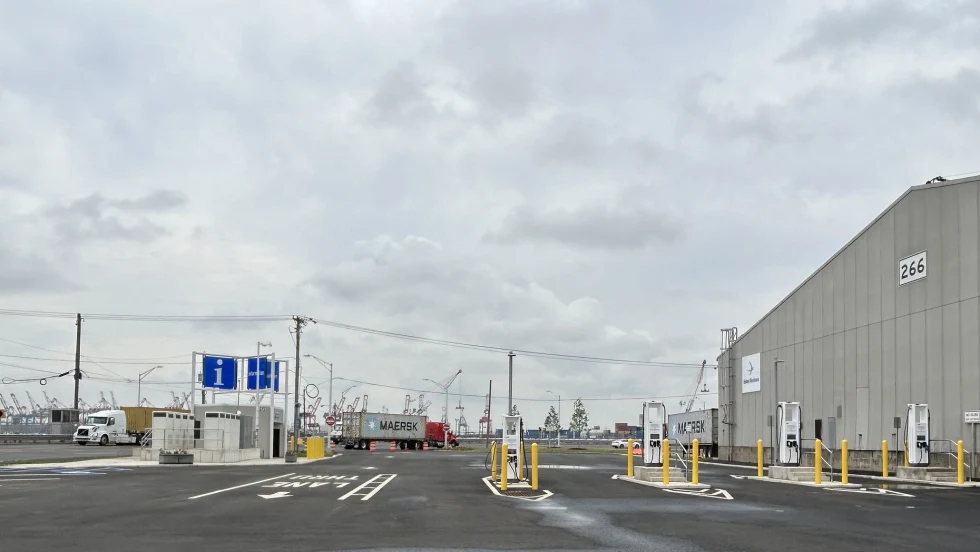
Port Authority and CALSTART Launch $45 Million Electric Truck and Charging Programs
The programs aim to boost sustainable operations across the East Coast's busiest seaport.
Read More →
Moving Government Fleets Beyond the Vehicle Purchase: EV as a Service
A discussion on how EVaaS is moving beyond pilot programs and what fleets should consider before beginning a larger deployment.
Read More →
Moving Government Fleets Beyond the Vehicle Purchase: EV as a Service
As fleets move beyond small EV pilots, Sustainability Partners CEO Adam Cain explains how EVaaS can address the infrastructure and long-term planning required for larger deployments.
Read More →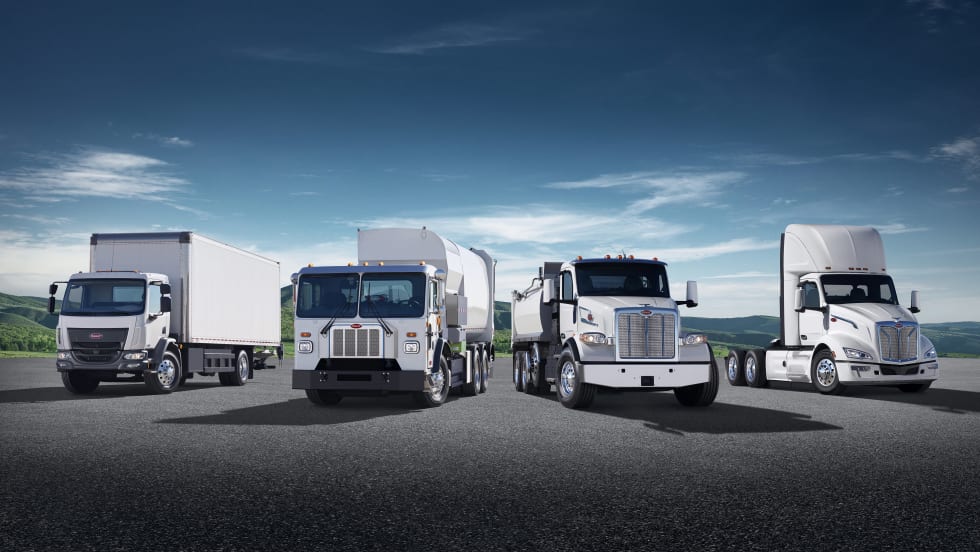
Peterbilt Expands Sourcewell Partnership with Electric Vehicle Lineup
The agreement aims to provide streamlined procurement of Peterbilt trucks for government, education, nonprofit and tribal organizations across the United States and Canada.
Read More →
EV Adoption & Charging Challenges
Where is your fleet in the journey of vehicle electrification? If you're still looking for answers to fleet electrification you've come to the right place.
Read More →
Hawaii Passes Clean Fuel Policy
Hawaii lawmakers passed clean fuel legislation that could support renewable natural gas production, biogas-powered transportation, and lower-carbon fueling options for public and commercial fleets.
Read More →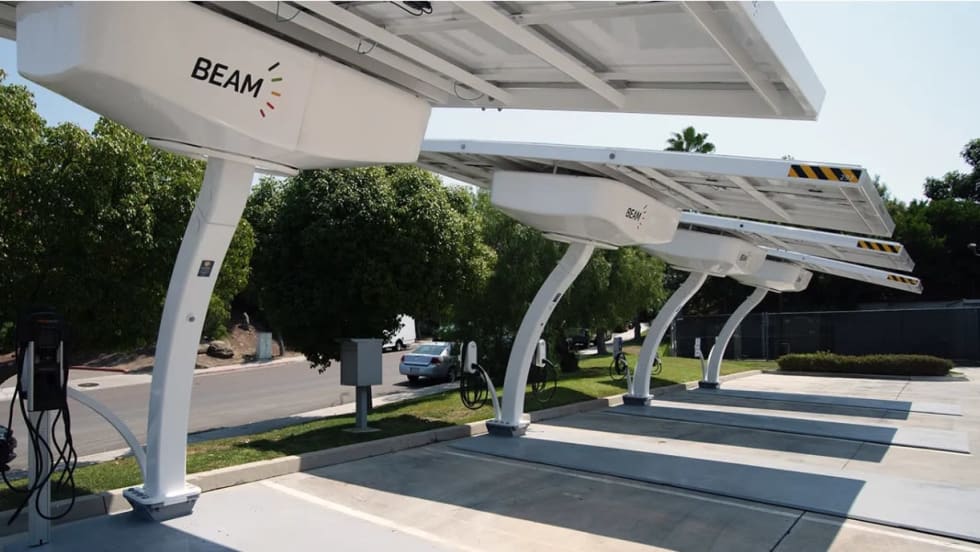
Stanislaus County Deploys Ten Beam Global EV ARC Systems to Support County Fleet Electrification
Stanislaus County deployed 10 off-grid solar-powered EV charging systems and a mobile charging trailer from Beam Global to support its electric fleet operations and emergency response flexibility.
Read More →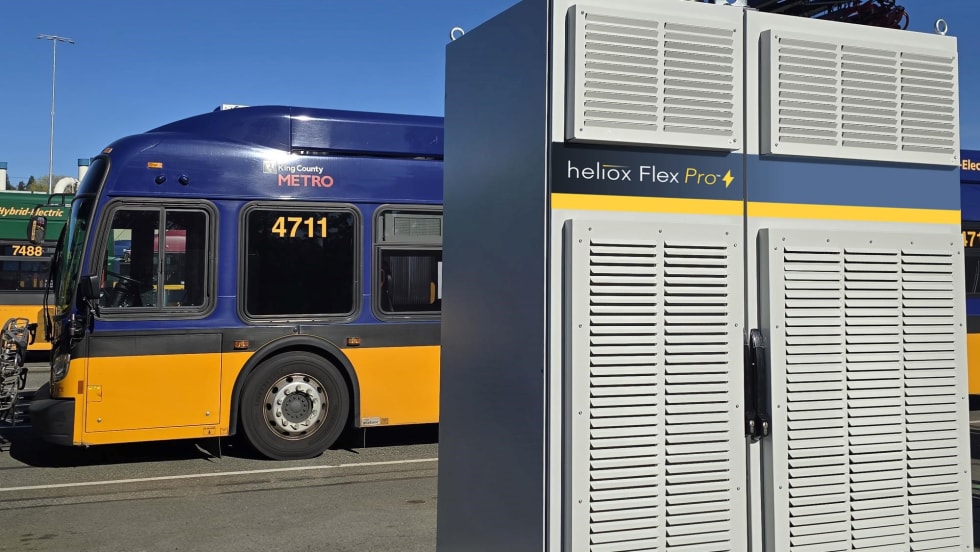
Heliox Pilots 480-kW Bus Charger with King County Metro
King County Metro is piloting Heliox’s new 480-kW Flex Pro charger to support expansion of its battery-electric bus fleet and depot charging infrastructure. The compact charging system supports pantograph and plug-in charging configurations for high-density transit operations.
Read More →