




California Switches to New Ultra Low Sulfur Diesel Fuel
SACRAMENTO, CA – The state of California has made the switch to new Ultra Low Sulfur Diesel (ULSD) fuel in preparation for new, cleaner-operating, heavy-duty trucks equipped with advanced emission control systems that debut next January.
SACRAMENTO, CA – The state of California has made the switch to new Ultra Low Sulfur Diesel (ULSD) fuel in preparation for new, cleaner-operating, heavy-duty trucks equipped with advanced emission control systems that debut next January. Effective Sept. 1, 2006, the fuel change will reduce the pollution emitted by California’s 1.2 million diesel engines. The federal government mandated switch to ULSD for all refineries will take place on Oct. 15, 2006.
Those new vehicles will meet the tightest emission standards ever set for heavy-duty trucks and buses and require very low sulfur fuel to operate properly. The new engines will use emission control equipment such as particulate traps to control toxic particulate soot and catalysts that limit ozone-forming nitrogen oxide emissions, the most common pollutants emitted by diesels.
The new fuel also will allow the California Air Resources Board to continue its diesel risk reduction plan (RRP), a set of regulations designed to cut the public health risks of diesel particulate by 85 percent in 2020. The risk reduction plan calls for slashes in diesel particulate from a number of pollution sources such as trucks and buses, farm and construction equipment, and pumps and boilers.
More Operations

Fleet Forward Conference Introduces One-Day Passes for 2026
New one-day registration lets fleet professionals attend Tuesday, Wednesday, or Thursday, with passes available for $249.
Read More →
ENC Unveils its ZAVIR Medium-Duty Shuttle
Two variants of the concept shuttles were revealed: a low-floor configuration and a high-floor configuration.
Read More →
Could Your Next Fleet Technician Start as an Intern?
What if your next technician hasn’t worked in a fleet shop yet? What fleets are doing to free up time.
Read More →
How Phoenix Is Building Its Next Generation of Fleet Technicians
With more than 8,000 vehicles and pieces of equipment to maintain, the City of Phoenix could not afford to wait for fully trained technicians to walk through the door. Instead, they revamped their entire workforce strategy and showed how public fleets can create their own talent pipeline while preparing existing employees for increasingly complex vehicles.
Read More →
What’s Slowing Your Fleet Down?
Could a change in how work gets done help your fleet return vehicles to service sooner?
Read More →
Can Public Fleets Trust the Data Driving Their Decisions?
Public fleets have more data than ever, but inconsistent records and missing information can still undermine maintenance, replacement, and cost decisions.
Read More →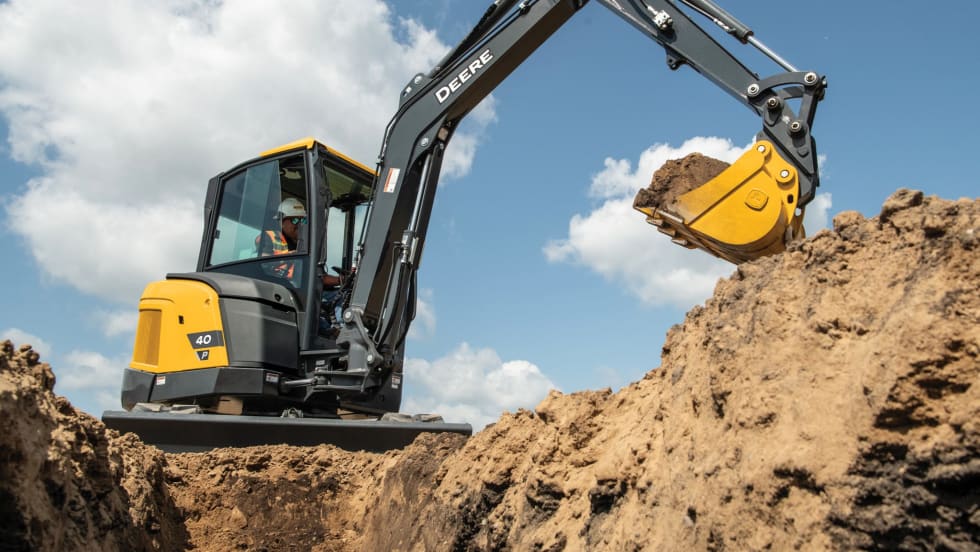
John Deere Introduces 40 P-Tier Compact Excavator
John Deere is adding a compact excavator designed for crews that need to move equipment between jobsites and handle multiple types of work with one machine. The 40 P-Tier weighs less than 10,000 pounds and offers configurable hydraulics, attachment options, and connected fleet-management capabilities.
Read More →
How Leading Fleets Improve and Why Business Plans Matter
This week, we look at what past Leading Fleet winners can teach us about making progress, plus how to build a business plan your fleet will actually use.
Read More →
Nominate a Fleet Leader for the 2027 Public Fleet Hall of Fame
Do you know a fleet leader who has made a lasting impact on the industry? Nominate this fleet professional for the 2027 Public Fleet Hall of Fame.
Read More →
Why Fleet Business Plans Need Three Perspectives
A fleet business plan should help agency leaders understand the fleet’s value, give the organization a clear direction, and establish shared expectations with customer departments.
Read More →