




Related: Obama Aims to Invest $4B in Automated Vehicle Technology
Beverly Hills to Develop Autonomous Vehicle Program
The City of Beverly Hills, Calif., is developing an autonomous vehicle program for public transportation. The City Council hopes the vehicles will address “first and last mile” issues related to the expansion of Los Angeles County’s Metro subway into the city.
by Staff
April 8, 2016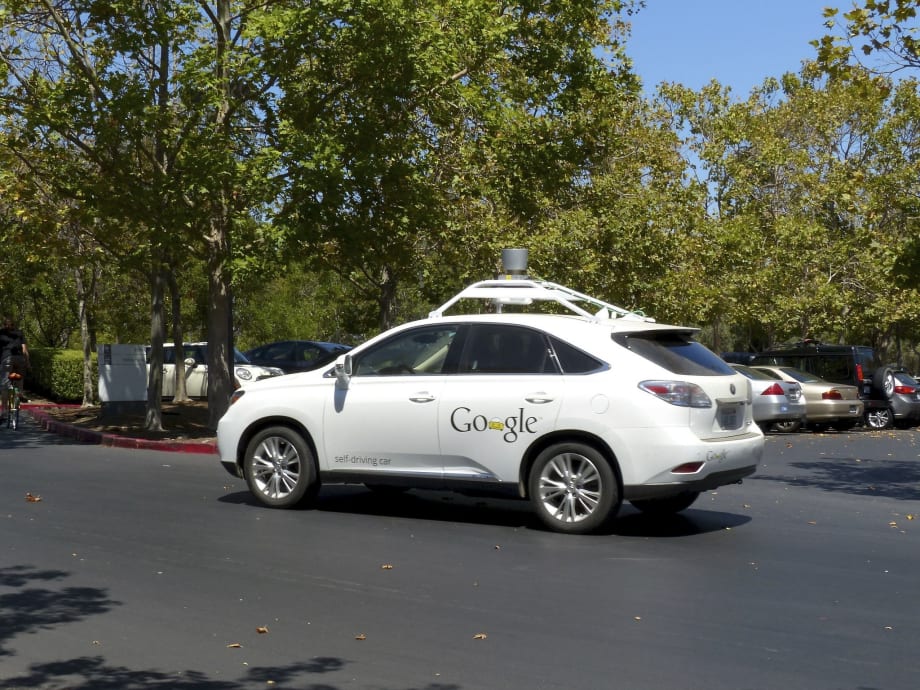
Photo via Flickr/Roman Boed
2 min to read
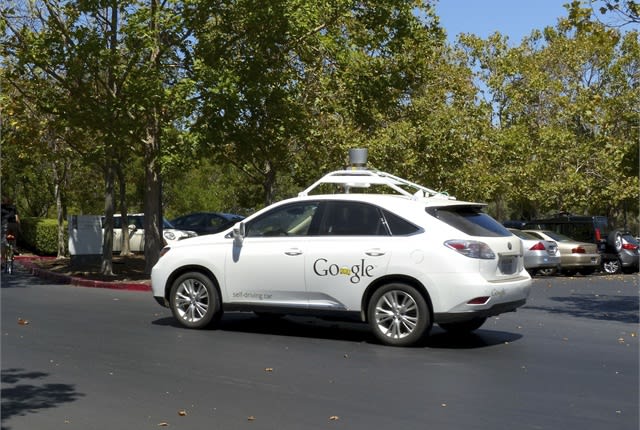
Photo via Flickr/Roman Boed
The City of Beverly Hills, Calif., will begin developing an autonomous vehicle program for public transportation, following the City Council's April 5 approval of the initiative. The City Council hopes the vehicles will address “first and last mile” issues related to the expansion of Los Angeles County’s Metro subway into the city.
“This is a game-changer for Beverly Hills and, we hope, for the region,” said Mayor John Mirisch. “Beverly Hills is the perfect community to take the lead to make this technology a reality. It is now both feasible and safe for autonomous cars to be on the road.”
The subway extension with two stops in Beverly Hills is expected to be operational by 2026, but no new public parking is planned. The city envisions the autonomous vehicle shuttles would provide on-demand, point-to-point transportation within the city, with users requesting a ride using their smart phones, according to a city release.
The city plans to develop partnerships with A.V. manufacturers such as Google and Tesla, work with regulators and policy makers, and create a white paper outlining the A.V. program.
Craig Crowder, fleet manager for the City of Beverly Hills, who will be a member of the committee to research the project, is excited about adopting the newest technology into the city fleet. But he admits the city is just beginning. “There are a lot of hurdles to overcome at this point,” he said. These include vehicles not yet being available and state and federal regulations.
However, the city will have time to work on this project before the subway stops are open. A number of companies are predicting they will have AVs on the market in two to five years.
More Operations
What Can Disappear After a Fleet Crash?
This week, we look at drone footage, what fleets should document before repairs begin, and share a quick poll.
Does Your Government Fleet Handle Refuse and Waste Operations? Take Our Poll
Government Fleet wants to hear from public-sector fleet professionals about their responsibilities for refuse collection and waste management equipment.
Fleet Replacement Decisions, Waste Fleet Technology and the GFX Deadline
Is your next vehicle the right fit, can your records settle a missed pickup dispute, and what could your fleet teach others at GFX 2027?
Is Delaying Fleet Replacement Really Saving Money?
Could delaying replacement cost your fleet more than it saves? This week’s recap takes a closer look, plus an update on GFX 2027.

What Government Fleets Are Missing About Their True Costs
What are fleet budgets missing, and how can agencies use the data they already collect to make a stronger case for change?
Rethinking Fleet Decisions From the Budget Office to the Shop
This October we looked back at how public fleets are reconsidering familiar processes and using what they learn to make better decisions.
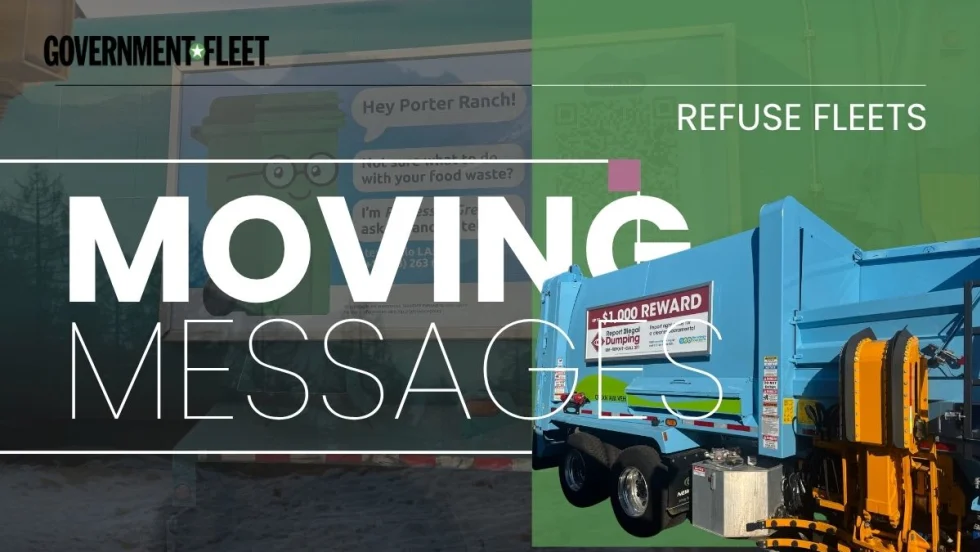
Who Owns the Message on a Refuse Truck?
Refuse trucks can carry public messages into neighborhoods, but keeping those messages current takes planning and clear responsibility.
Who Deserves Fleet Recognition and What Could You Teach at GFX?
Who helped shape your fleet career, and what have you learned that could help someone else?

What’s Haunting Public Sector Fleets?
Public sector fleet challenges rarely happen in isolation, and addressing one often means understanding how it connects to another.
Is Keeping Older Fleet Vehicles Really Saving Money?
Is keeping vehicles longer saving money, and what happens when a diagnostic test points to the wrong fix?