




Audit: New Orleans Fleet Management Needs Overhaul
The City of New Orleans does not know how many vehicles it has, how often they are used, or what types of repairs are performed on them, an audit from the city’s Office of Inspector General found.

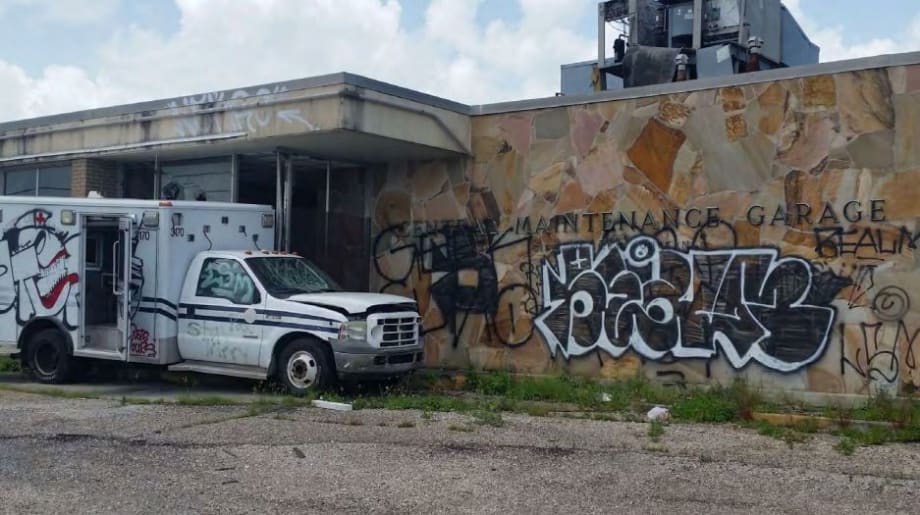
The City’s Central Maintenance Garage. Photo via New Orleans OIG.
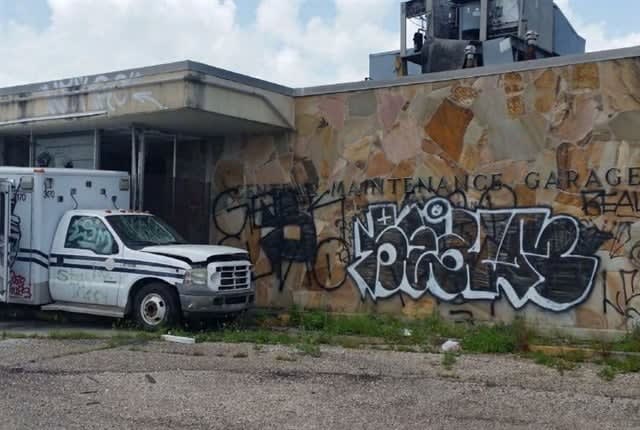
The City’s Central Maintenance Garage. Photo via New Orleans OIG.
The City of New Orleans does not know how many vehicles it has, how often they are used, or what types of repairs are performed on them, an audit from the city’s Office of Inspector General found. The audit was released July 13, just two weeks after the OIG released an audit on the city’s fuel dispensing program.
The OIG found that lack of information prevented the Equipment Maintenance Division from making informed decisions. This lack of data means the EMD cannot make decisions about how many vehicles are needed, whether to outsource maintenance, and when to replace vehicles.
In addition, the auditor said there was a lack of oversight related to fleet policies and procedures, and the EMD has no way to enforce policies. The fleet manager position was vacant for part of the review period, and there was no full-time manager at the Central Maintenance Garage after 2012.
The audit recommended the city provide EMD with the information, resources, and authority it needs to oversee vehicles and equipment. To do this, it recommended the city:
Create an accurate vehicle and equipment list
Develop standards for vehicle use and tracking use
Create replacement criteria for vehicles and equipment
Establish formal preventive maintenance schedules
Hire a fleet manager with the authority to enforce fleet policies and procedures.
Evaluators examined the city’s fleet management practices from 2009 to 2014. The city owns more than $60 million in motor vehicle and equipment assets including police cars, fire trucks, ambulances, garbage trucks, street sweepers, vacuum trucks, bucket trucks, and passenger vehicles, and spent approximately $12 million in 2014 on fleet management.
The city agreed to implement the OIG recommendations.
To view the full audit, visit the OIG website.
More Operations
Who Deserves Fleet Recognition and What Could You Teach at GFX?
Who helped shape your fleet career, and what have you learned that could help someone else?
Read More →
What’s Haunting Public Sector Fleets?
Public sector fleet challenges rarely happen in isolation, and addressing one often means understanding how it connects to another.
Read More →
Is Keeping Older Fleet Vehicles Really Saving Money?
Is keeping vehicles longer saving money, and what happens when a diagnostic test points to the wrong fix?
Read More →
How Smart Fleet Strategy Can Help Local Government Agencies Do More with Less
Keeping a vehicle longer may ease this year’s budget, but what does it cost the next one? A closer look at fleet decisions can reveal opportunities to reduce spending while protecting essential services.
Read More →
Connect with Government Fleet on LinkedIn
From industry news and fleet management strategies to conversations with peers, Government Fleet's LinkedIn page offers public-sector fleet professionals another way to stay informed and connected.
Read More →
Town of Queen Creek Named Most Successful Fleet Award Winner of Inaugural RTA Fleet Success Awards
Five fleets were honored at RTA Connect 2026 in Chicago for excellence across resource efficiency, intentional culture, risk management, and stakeholder satisfaction.
Read More →
A buyer's guide to fleet management software in 2027
Buying fleet management software in 2027 means looking beyond features and price. As fleet operations, technology and expectations evolve, this guide explores what today’s fleet professionals should consider when choosing a system that can deliver value now and adapt to what comes next.
Read More →
Hazard Alerts, Fleet Car Sales Rise and a New Shuttle Concept
Fleet car sales doubled, but the bigger picture tells a different story in this week’s roundup.
Read More →
How St. Johns County Turned Fleet Data Into Better Replacement Decisions
St. Johns County, Florida, had fleet data, but turning it into reliable decision guidance was another matter. Instead of starting over with a new fleet management system, the county connected existing tools and built a scoring system that gives managers an objective look at fleet health.
Read More →
Fleet Forward Conference Introduces One-Day Passes for 2026
New one-day registration lets fleet professionals attend Tuesday, Wednesday, or Thursday, with passes available for $249.
Read More →