




AMP Completes Durability Testing of Electric Step Van
AMP said Transportation Research Center, an independent testing facility in East Liberty, Ohio, drove the vehicle 4,000 miles from February through part of April.
AMP Holding Inc. announced its electric medium-duty step van has completed durability testing at Transportation Research Center (TRC), an independent testing facility in East Liberty, Ohio. AMP said TRC drove the vehicle 4,000 miles from February through part of April.
TRC’s tests included operating the vehicle at curb weight for 2,000 miles and fully loaded for the other 2,000 miles. The company said each durability cycle for the vehicle was less than 10 miles long and included driving over resonance, chatter, and impact bumps, a series of moderate washboards, frame twists, and dips, inverted chuckholes, stopping and starting on a 20% brake slope, “lock-to-lock” figure-8 maneuvers, a short slalom course, and driving on gravel roads, according to AMP.
The company said by testing the vehicle during the winter months on an accelerated schedule, it shows the vehicle’s electric powertrain can operate successfully in extreme weather conditions while maintaining the van’s structural integrity and all-electric powertrain.
AMP said its all-electric powertrain incorporates a dual-motor system that produces 250 kw and can accelerate the vehicle faster than its original factory-installed diesel engine. The system has total energy storage of 100 kWhr that gives the vehicle a range of 100 miles on a single charge.
Earlier this year, AMP acquired the Workhorse brand and its factory facilities from Navistar International Corp. The company said it plans to offer not only the all-electric Workhorse chassis, but also gasoline-powered and alternative-fuel-powered models as well. The company said the existing network of 440 Workhorse dealers will support the company’s sales efforts.
More Green Fleet
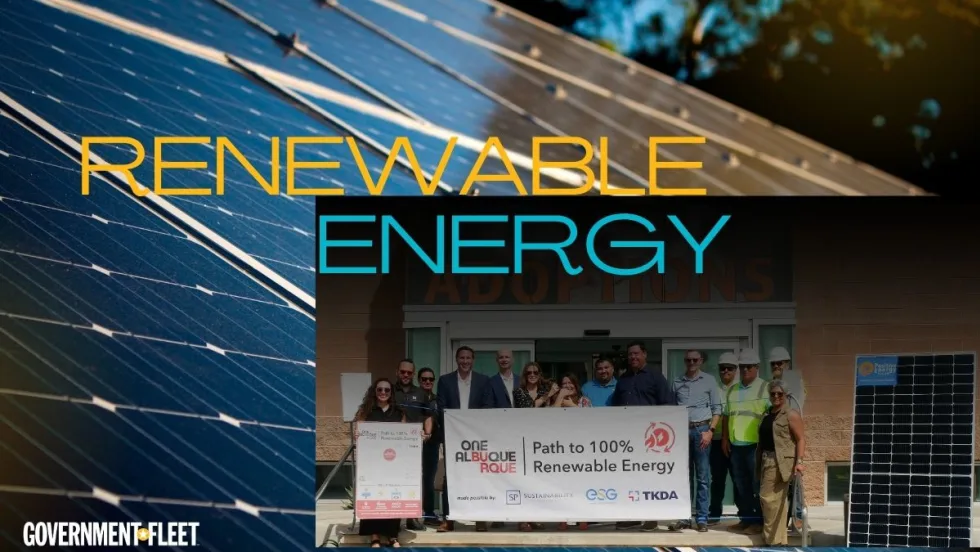
Sustainability Partners, Energy Systems Group Help Albuquerque Close the Gap on its 100% Renewable Energy Goal
The eight-site, 6 MW solar project has advanced the city toward 100% renewable energy for municipal operations.
Read More →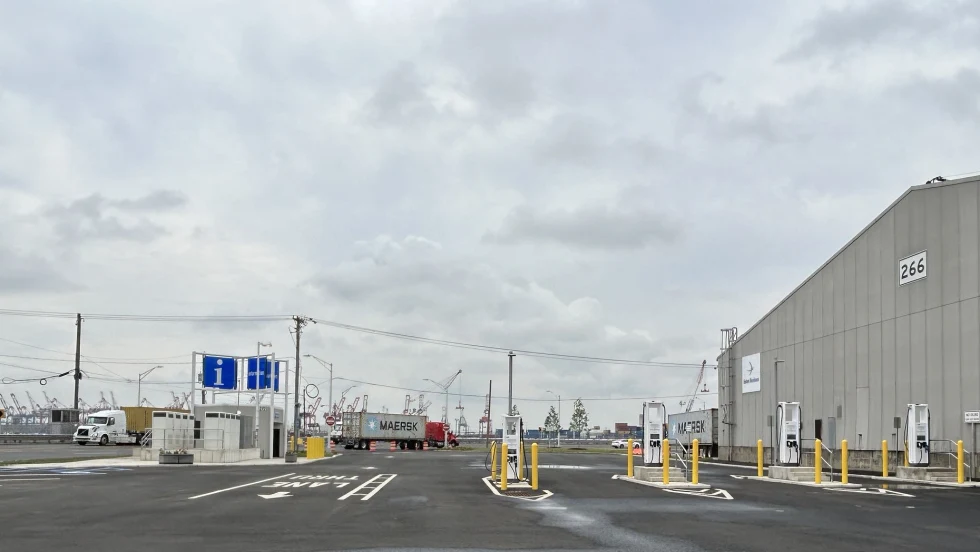
Port Authority and CALSTART Launch $45 Million Electric Truck and Charging Programs
The programs aim to boost sustainable operations across the East Coast's busiest seaport.
Read More →
Moving Government Fleets Beyond the Vehicle Purchase: EV as a Service
A discussion on how EVaaS is moving beyond pilot programs and what fleets should consider before beginning a larger deployment.
Read More →
Moving Government Fleets Beyond the Vehicle Purchase: EV as a Service
As fleets move beyond small EV pilots, Sustainability Partners CEO Adam Cain explains how EVaaS can address the infrastructure and long-term planning required for larger deployments.
Read More →
Peterbilt Expands Sourcewell Partnership with Electric Vehicle Lineup
The agreement aims to provide streamlined procurement of Peterbilt trucks for government, education, nonprofit and tribal organizations across the United States and Canada.
Read More →

EV Adoption & Charging Challenges
Where is your fleet in the journey of vehicle electrification? If you're still looking for answers to fleet electrification you've come to the right place.
Read More →
Hawaii Passes Clean Fuel Policy
Hawaii lawmakers passed clean fuel legislation that could support renewable natural gas production, biogas-powered transportation, and lower-carbon fueling options for public and commercial fleets.
Read More →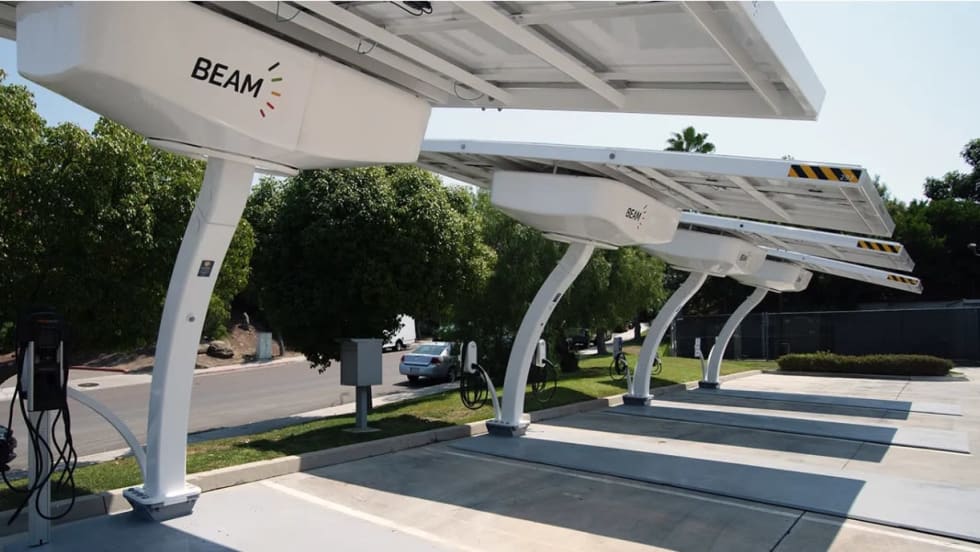
Stanislaus County Deploys Ten Beam Global EV ARC Systems to Support County Fleet Electrification
Stanislaus County deployed 10 off-grid solar-powered EV charging systems and a mobile charging trailer from Beam Global to support its electric fleet operations and emergency response flexibility.
Read More →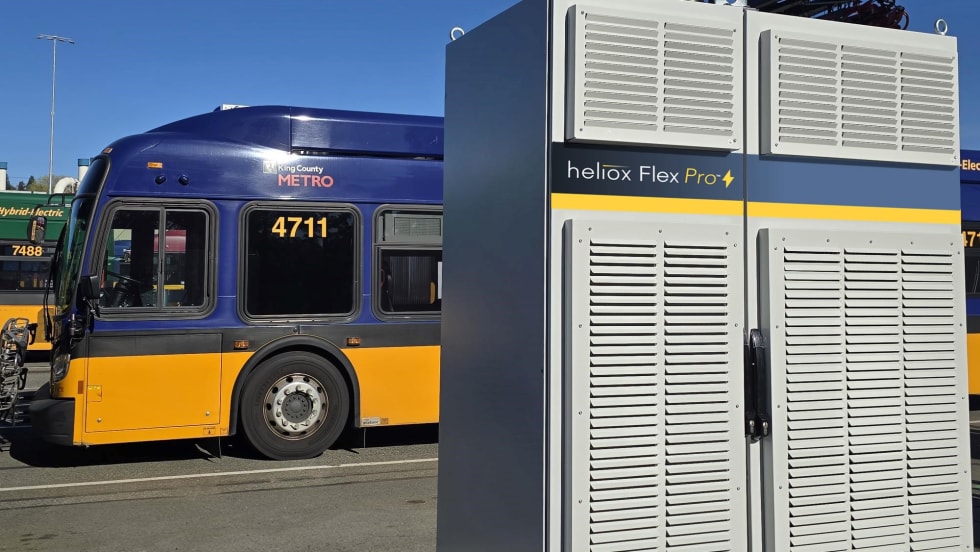
Heliox Pilots 480-kW Bus Charger with King County Metro
King County Metro is piloting Heliox’s new 480-kW Flex Pro charger to support expansion of its battery-electric bus fleet and depot charging infrastructure. The compact charging system supports pantograph and plug-in charging configurations for high-density transit operations.
Read More →