




Agile Access Control, Inc., Awarded NJPA National Contract for Its FleetCommander Fleet & Motor Pool Solution
FleetCommander creator Agile Access Control, Inc. (Agile) has been awarded a national contract for fleet management and related technology by the National Joint Powers Alliance (NJPA).
FleetCommander creator Agile Access Control, Inc. (Agile) has been awarded a national contract for fleet management and related technology by the National Joint Powers Alliance (NJPA).
The NJPA contract for fleet solutions enables its 50,000-plus member agencies, including states, cities, counties, all government agencies, both public and non-public educational agencies, colleges, universities and non-profit organizations, to purchase FleetCommander technologies without the need to solicit competitive bids. NJPA has already conducted an exhaustive open and competitive bidding process that eliminates the need for additional solicitations. Member organizations nationally have the ability to participate in cooperative purchasing activities as a result of specific laws of their own state. There is no cost to join NJPA.
The Agile-NJPA contract has a four-year term with a fifth-year option. "We are thrilled to be selected by the NJPA to offer their members our fleet and motor pool management solutions," says Ed Smith, president of Agile. "As someone that worked in a federal contracting office for several years, I appreciate the value that NJPA brings to the table for our customers. The folks at NJPA are contracting experts. They have already done the competitive bidding and contracting process on behalf of its members. This will save our customers hundreds to thousands of hours of procurement efforts. We are grateful to NJPA for taking on this bold initiative on behalf of its members."
Agile will be able to offer NJPA members all of its products and services via the contract, including:
FleetCommander fleet and motor pool software for time-saving online vehicle reservations, fleet data collection and right-sizing reports, policy communication and enforcement, driver management, odometer collection, and automated billing
Secure Key Management solutions such as unstaffed kiosks for check-in and check-out along with secure keyboxes for automated dispatching
Agile FleetShare car sharing technology for keys-in-the vehicle dispatching with online reservations and fleet data collection
GPS solutions and vehicle telematics to track vehicle position, capture valuable vehicle diagnostic data, and more.
More Operations
What Can Disappear After a Fleet Crash?
This week, we look at drone footage, what fleets should document before repairs begin, and share a quick poll.
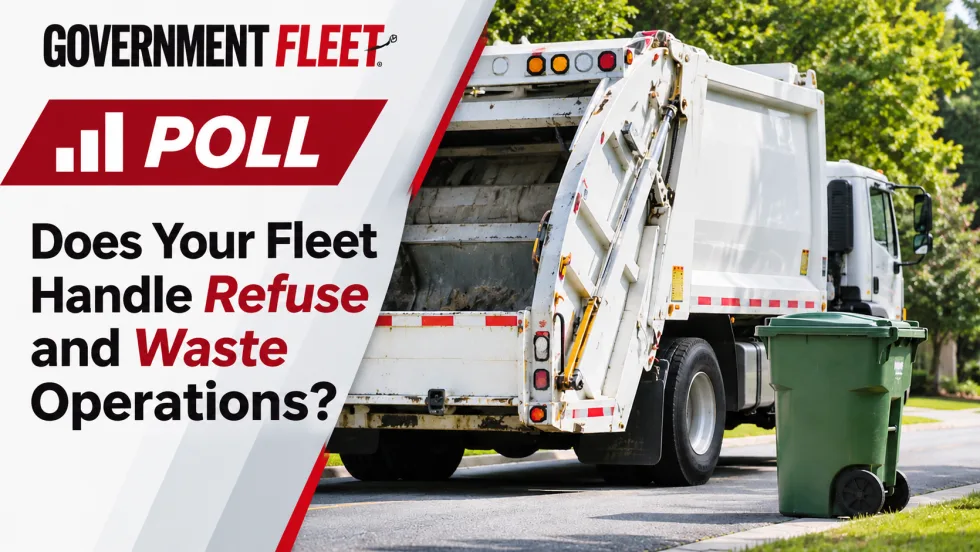
Does Your Government Fleet Handle Refuse and Waste Operations? Take Our Poll
Government Fleet wants to hear from public-sector fleet professionals about their responsibilities for refuse collection and waste management equipment.
Fleet Replacement Decisions, Waste Fleet Technology and the GFX Deadline
Is your next vehicle the right fit, can your records settle a missed pickup dispute, and what could your fleet teach others at GFX 2027?
Is Delaying Fleet Replacement Really Saving Money?
Could delaying replacement cost your fleet more than it saves? This week’s recap takes a closer look, plus an update on GFX 2027.

What Government Fleets Are Missing About Their True Costs
What are fleet budgets missing, and how can agencies use the data they already collect to make a stronger case for change?
Rethinking Fleet Decisions From the Budget Office to the Shop
This October we looked back at how public fleets are reconsidering familiar processes and using what they learn to make better decisions.
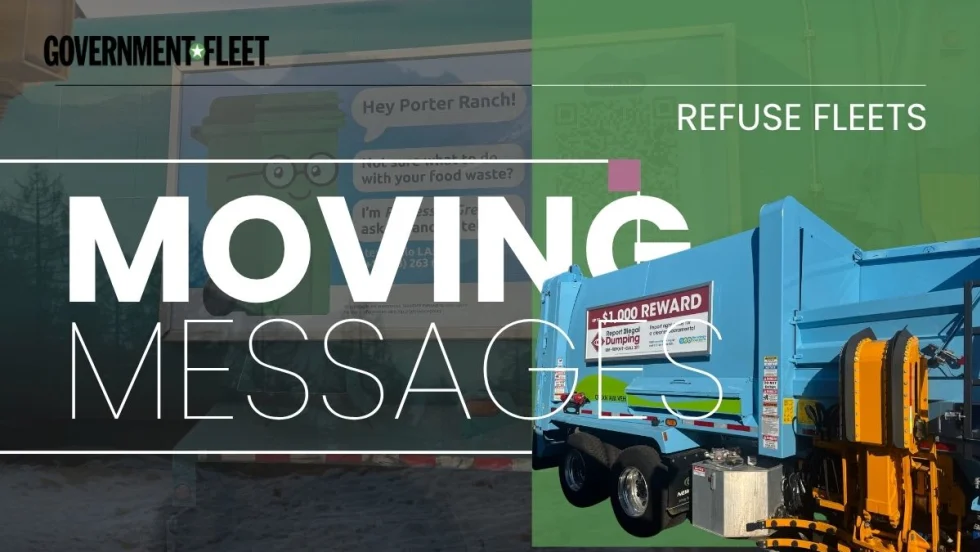
Who Owns the Message on a Refuse Truck?
Refuse trucks can carry public messages into neighborhoods, but keeping those messages current takes planning and clear responsibility.
Who Deserves Fleet Recognition and What Could You Teach at GFX?
Who helped shape your fleet career, and what have you learned that could help someone else?

What’s Haunting Public Sector Fleets?
Public sector fleet challenges rarely happen in isolation, and addressing one often means understanding how it connects to another.

Is Keeping Older Fleet Vehicles Really Saving Money?
Is keeping vehicles longer saving money, and what happens when a diagnostic test points to the wrong fix?