




2014 Honda Accord PHEV is 1st to Meet California’s New Strict Standard
SACRAMENTO, CA - The California Air Resources Board (ARB) has approved the first car for sale in California that meets ARB’s most stringent smog-emission standard to date, the SULEV20 standard.
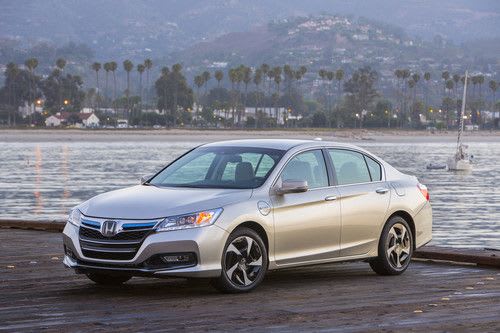
The full-size sedan model achieves 124 MPGe city / 105 MPGe highway in hybrid mode, and 47 MPG city / 46 MPG highway in standard (gas only) mode.
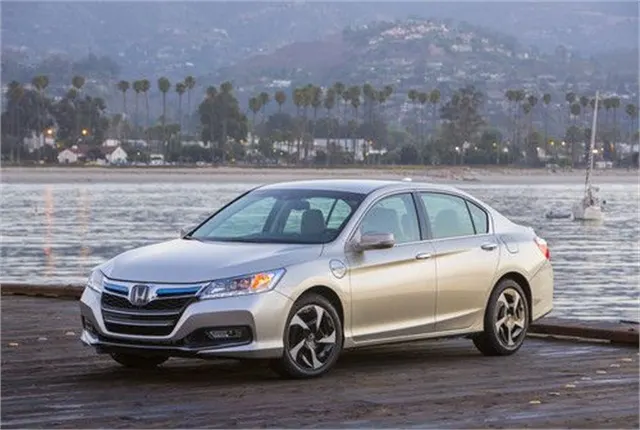
The full-size sedan model achieves 124 MPGe city / 105 MPGe highway in hybrid mode, and 47 MPG city / 46 MPG highway in standard (gas only) mode.
SACRAMENTO, CA - The California Air Resources Board (ARB) has approved the first car for sale in California that meets ARB’s most stringent smog-emission standard to date.
The 2014 Honda Plug-In Hybrid Accord produces only 20 milligrams of combined smog-forming emissions per mile. This makes it the first gasoline-powered car in California to meet what is known as the SULEV20 standard, the most stringent in the nation and one-third cleaner (in terms of smog-forming pollution) than the previous lowest state standard. In addition, this Honda model has lower greenhouse gas emissions than the fleet average standard required by all cars in 2025, the equivalent of a 50% reduction from current required levels.
“Once again, Honda is the first to comply with ARB’s most stringent standard,” said Tom Cackette, ARB’s Deputy Executive Office and head of the mobile source program.
Honda has a history of being the first manufacturer to comply with California’s strict emission standards. In 1995, the 1996 Civic was the first certified Low Emission Vehicle (LEV) gasoline vehicle. In 1997, the 1998 Accord was the first ultra-low emission vehicle (ULEV) gasoline vehicle. The following year, in 1999, the 2000 Accord was the first certified Super Ultra-low Emission Vehicle (SULEV) gasoline vehicle. In 2001, the 2001 Civic GX powered by compressed natural gas was the first certified Advanced Technology Partial Zero-Emission Vehicle (AT PZEV). In 2002, the 2003 Civic Hybrid was the first certified Advanced Technology Partial Zero-Emission Vehicle. (AT PZEV) hybrid vehicle.
The Executive Order allowing Honda to sell the newly certified ultra-clean cars in California was signed on Dec. 21, following a detailed examination of emissions and performance test results. Honda began production of the car that same day.
The full-size sedan model achieves 124 MPGe city/105 MPGe highway in hybrid mode, and 47 MPG city/46 MPG highway in standard (gas only) mode.
The low emissions standards that this Honda model meets are part of the state’s Advanced Clean Cars package of regulations, adopted in January 2012, that will ensure increasingly cleaner cars for sale in the state, and provide for increased choices of zero-emission vehicles. When fully in force in 2025, the new set of standards will reduce smog-causing pollutants from low-emission vehicles 75 percent from current levels, and greenhouse gases by 34%.
More Green Fleet
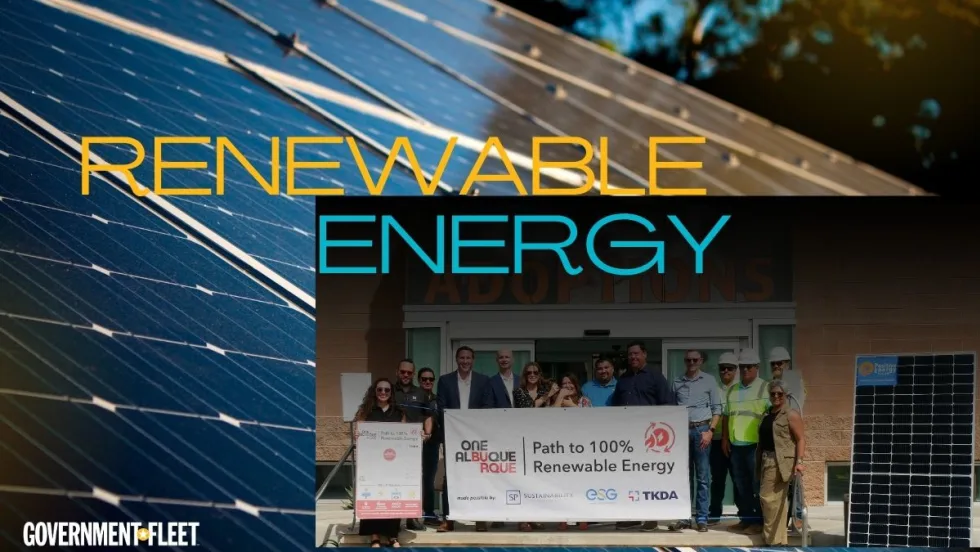
Sustainability Partners, Energy Systems Group Help Albuquerque Close the Gap on its 100% Renewable Energy Goal
The eight-site, 6 MW solar project has advanced the city toward 100% renewable energy for municipal operations.
Read More →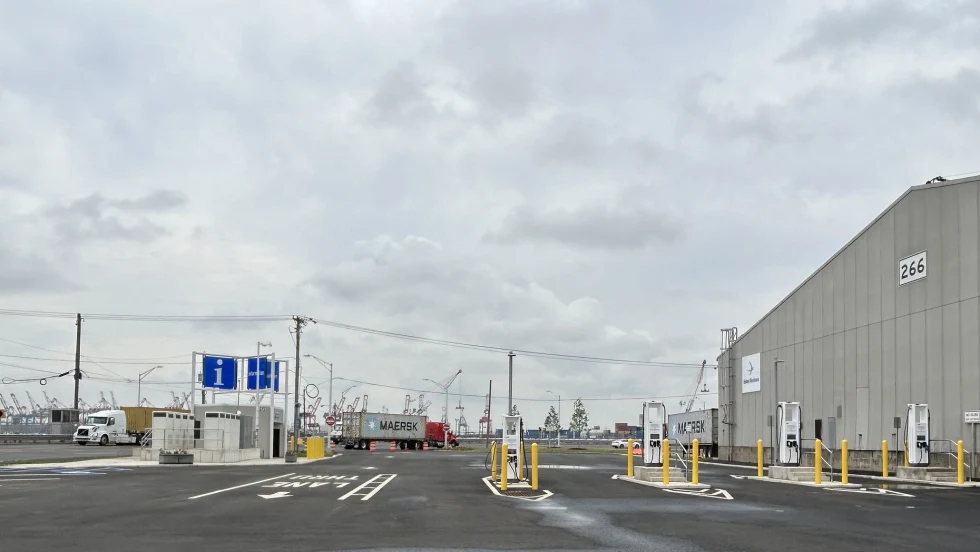
Port Authority and CALSTART Launch $45 Million Electric Truck and Charging Programs
The programs aim to boost sustainable operations across the East Coast's busiest seaport.
Read More →
Moving Government Fleets Beyond the Vehicle Purchase: EV as a Service
A discussion on how EVaaS is moving beyond pilot programs and what fleets should consider before beginning a larger deployment.
Read More →
Moving Government Fleets Beyond the Vehicle Purchase: EV as a Service
As fleets move beyond small EV pilots, Sustainability Partners CEO Adam Cain explains how EVaaS can address the infrastructure and long-term planning required for larger deployments.
Read More →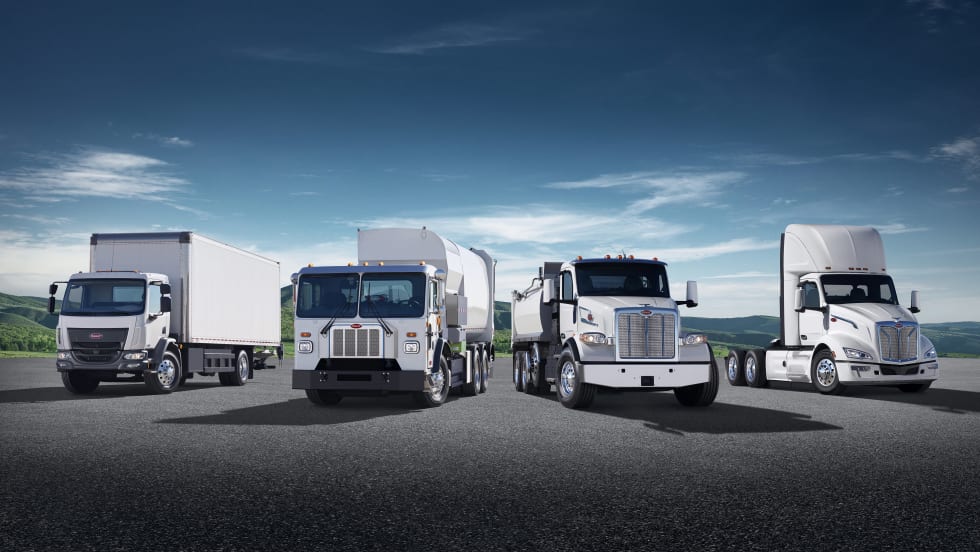
Peterbilt Expands Sourcewell Partnership with Electric Vehicle Lineup
The agreement aims to provide streamlined procurement of Peterbilt trucks for government, education, nonprofit and tribal organizations across the United States and Canada.
Read More →
EV Adoption & Charging Challenges
Where is your fleet in the journey of vehicle electrification? If you're still looking for answers to fleet electrification you've come to the right place.
Read More →
Hawaii Passes Clean Fuel Policy
Hawaii lawmakers passed clean fuel legislation that could support renewable natural gas production, biogas-powered transportation, and lower-carbon fueling options for public and commercial fleets.
Read More →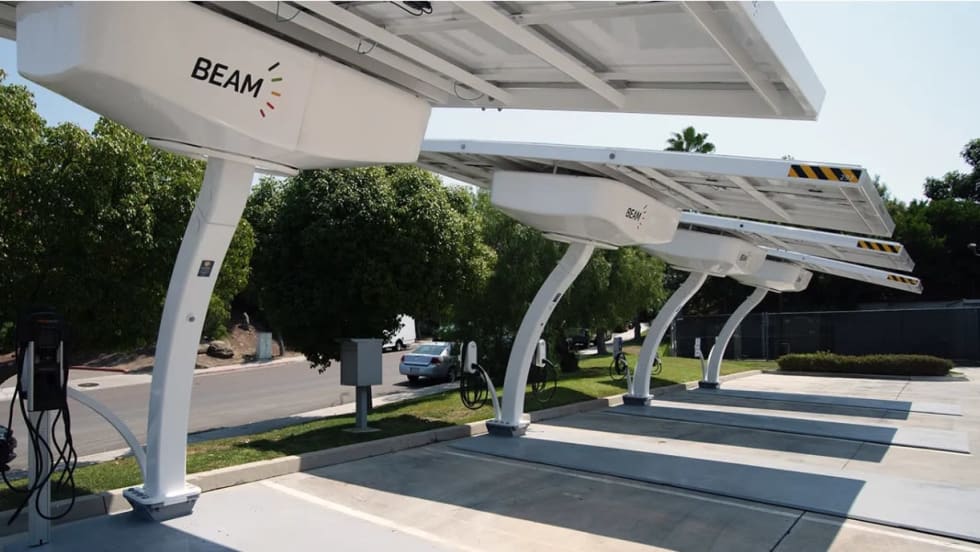
Stanislaus County Deploys Ten Beam Global EV ARC Systems to Support County Fleet Electrification
Stanislaus County deployed 10 off-grid solar-powered EV charging systems and a mobile charging trailer from Beam Global to support its electric fleet operations and emergency response flexibility.
Read More →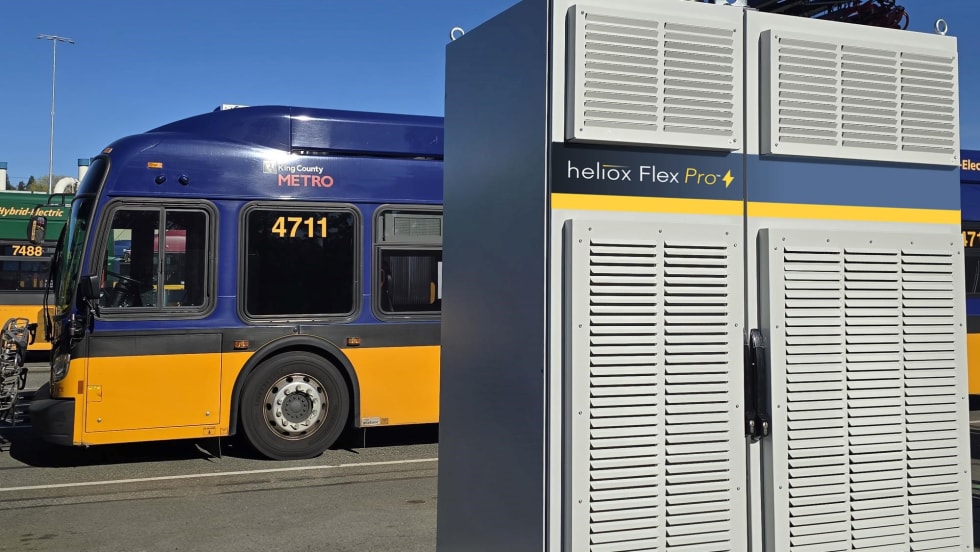
Heliox Pilots 480-kW Bus Charger with King County Metro
King County Metro is piloting Heliox’s new 480-kW Flex Pro charger to support expansion of its battery-electric bus fleet and depot charging infrastructure. The compact charging system supports pantograph and plug-in charging configurations for high-density transit operations.
Read More →