





Learn More: Evaluating the Use of Hybrid Vehicles in Municipal Fleets
200 Orgs Urge Governors to Move On Transportation and Climate Initiative
Groups push for “strong safeguards and guarantees for overburdened and underserved communities” in 12 states and Washington, DC.
November 12, 2020

2 min to read

Groups push for “strong safeguards and guarantees for overburdened and underserved communities” in 12 states and Washington, DC.
The largest and most diverse collection ever of health, community, business, transportation, environmental, and other groups have come out strongly in favor of a Transportation and Climate Initiative (TCI) that helps erase the “deeply inequitable” aspects of the current transportation system in the Northeast and Mid-Atlantic region. The 200-group letter lays out “strong safeguards and guarantees” for ensuring underserved and overburdened communities become key beneficiaries of the proposed TCI cap-and-invest program to modernize transportation in the region when the final memorandum of understanding (MOU) committing to the TCI program is released by participating states in the next few weeks.
Amid growing signs of the need for state leadership in the wake of the United States formally leaving the Paris Climate Agreement, the letter from the large number of organizations is addressed to the governors of Connecticut, Delaware, Maine, Maryland, Massachusetts, New Hampshire, New Jersey, New York, Pennsylvania, Rhode Island, Vermont, and Virginia, and the mayor of Washington, D.C. TCI envisions an improved regional transportation system would mean more reliable and accessible mass transit; more clean electric buses, cars, and trucks and charging infrastructure; more walkable and bikeable communities; less congestion and pollution; and increased investments in projects that connect everyone, including those in underserved urban, suburban, and rural areas.
The joint letter calls for states to adopt a TCI program that achieves these outcomes by including the following:
A strong carbon pollution cap, requiring at a minimum a 25% reduction in transportation carbon pollution over the next decade.
A commitment to prioritize and dedicate significant program spending to address the needs of overburdened and underserved communities. The 35% funding commitment proposed by states for overburdened and underserved communities is an absolute minimum, and individual states should commit to investing significantly more in these communities.
Equity Advisory Bodies representative of each state’s overburdened and underserved communities and have clear decision-making roles.
Commitments to achieve emissions reductions in overburdened communities and full transparency and reporting on program spending and emissions and equity outcomes.
Commitment to strong labor and workforce development standards and a just transition.
The letter from the 200 groups also notes: “A TCI cap-and-invest program alone will not solve these problems, and it cannot and must not be our only response. A well-designed TCI program, however, with strong safeguards and guarantees will move us forward by investing billions of job-creating dollars in clean and equitable transportation. Those investments combined with a legally binding limit on transportation carbon pollution will hold the oil industry accountable.”
For a full list of the groups, click here.
More Green Fleet
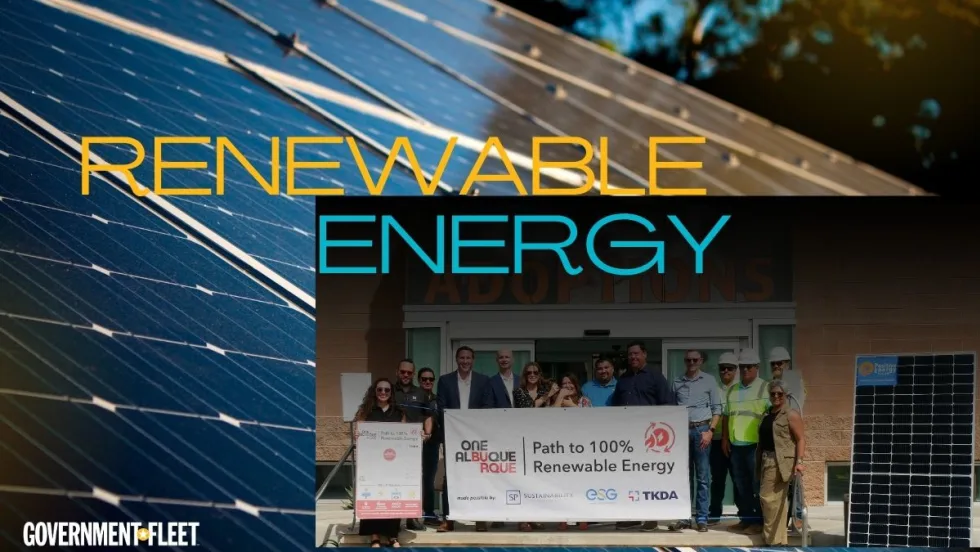
Sustainability Partners, Energy Systems Group Help Albuquerque Close the Gap on its 100% Renewable Energy Goal
The eight-site, 6 MW solar project has advanced the city toward 100% renewable energy for municipal operations.
Read More →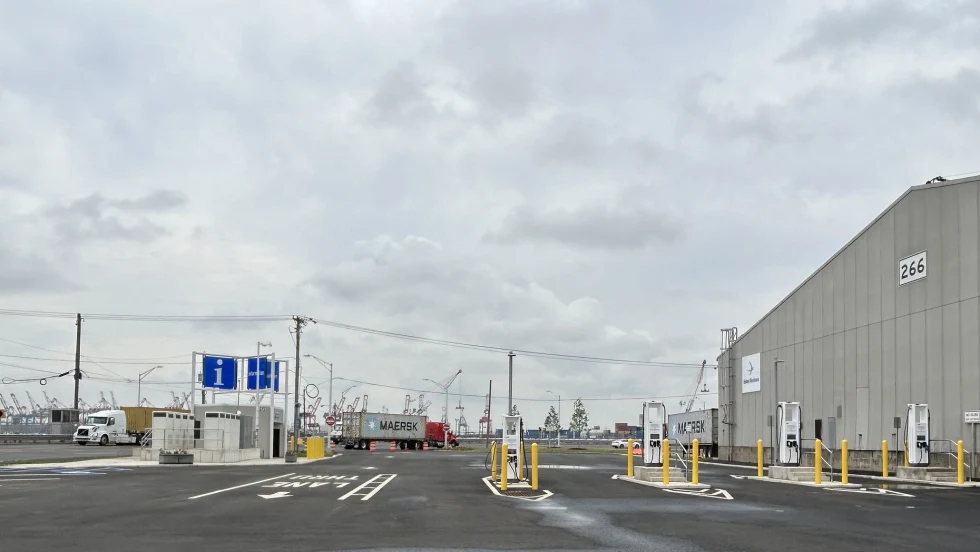
Port Authority and CALSTART Launch $45 Million Electric Truck and Charging Programs
The programs aim to boost sustainable operations across the East Coast's busiest seaport.
Read More →
Moving Government Fleets Beyond the Vehicle Purchase: EV as a Service
A discussion on how EVaaS is moving beyond pilot programs and what fleets should consider before beginning a larger deployment.
Read More →
Moving Government Fleets Beyond the Vehicle Purchase: EV as a Service
As fleets move beyond small EV pilots, Sustainability Partners CEO Adam Cain explains how EVaaS can address the infrastructure and long-term planning required for larger deployments.
Read More →
Peterbilt Expands Sourcewell Partnership with Electric Vehicle Lineup
The agreement aims to provide streamlined procurement of Peterbilt trucks for government, education, nonprofit and tribal organizations across the United States and Canada.
Read More →
EV Adoption & Charging Challenges
Where is your fleet in the journey of vehicle electrification? If you're still looking for answers to fleet electrification you've come to the right place.
Read More →
Hawaii Passes Clean Fuel Policy
Hawaii lawmakers passed clean fuel legislation that could support renewable natural gas production, biogas-powered transportation, and lower-carbon fueling options for public and commercial fleets.
Read More →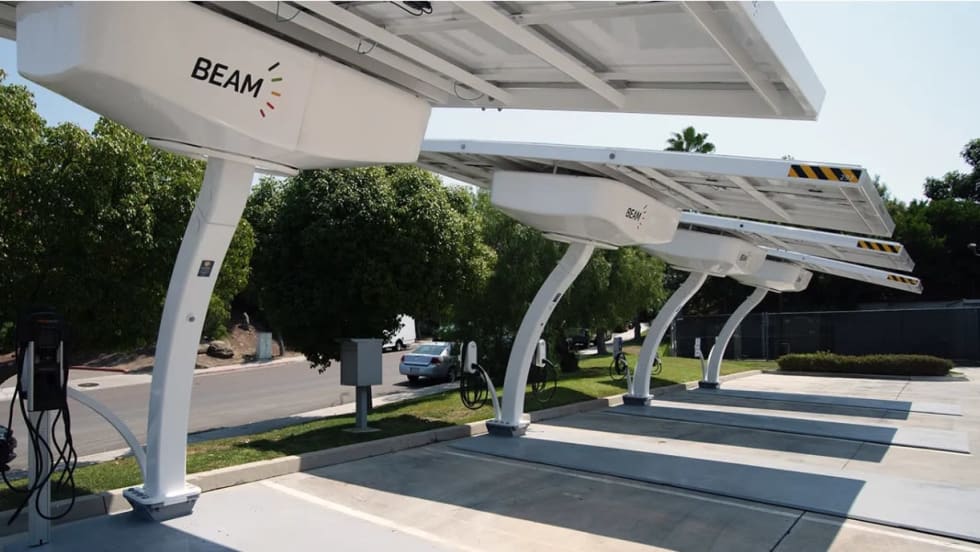
Stanislaus County Deploys Ten Beam Global EV ARC Systems to Support County Fleet Electrification
Stanislaus County deployed 10 off-grid solar-powered EV charging systems and a mobile charging trailer from Beam Global to support its electric fleet operations and emergency response flexibility.
Read More →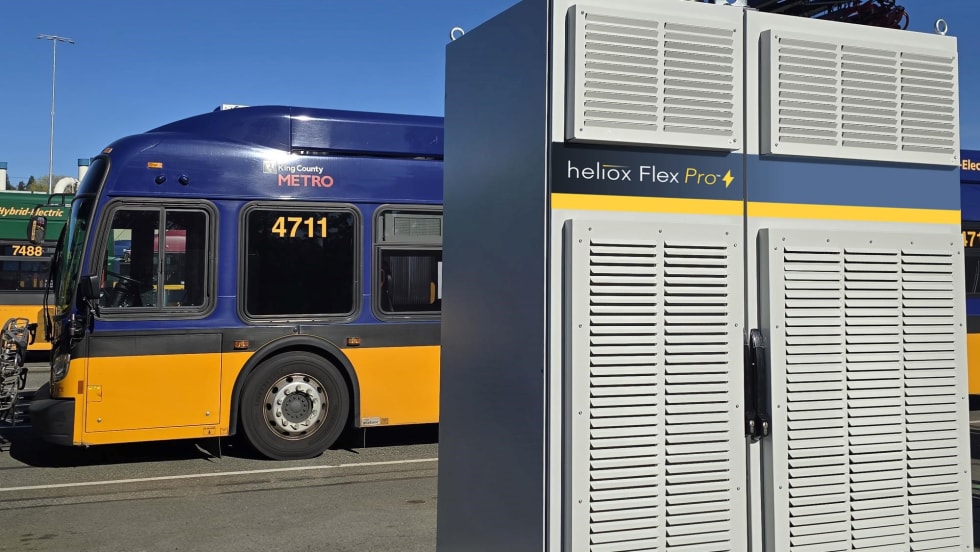
Heliox Pilots 480-kW Bus Charger with King County Metro
King County Metro is piloting Heliox’s new 480-kW Flex Pro charger to support expansion of its battery-electric bus fleet and depot charging infrastructure. The compact charging system supports pantograph and plug-in charging configurations for high-density transit operations.
Read More →