




Which Vehicles Should I Replace with EVs?
Here’s how you can use data to determine which vehicles to transition to electric vehicles.

Image courtesy of SaWatch Labs
Many public-sector fleet organizations are tasked with the incorporation of electric vehicles (EVs). The process to identify which vehicles are best suited for that transition can be much more complicated than meets the eye. The goals associated with EV adoption also tend to vary and include sustainability, cost savings, and national security.
Underlying this is selection of the right technology that doesn’t compromise the operational needs of drivers. All too often, the initial vehicles chosen for the transition represent the lowest-risk duty cycles. In these scenarios, the vehicles end up underutilized and therefore not achieving the promised benefits. Since EVs’ primary benefits come from lower operating and fuel costs, transitioning as many miles to electric is the best way to achieve multiple, overarching goals.
The following guidelines can help fleets identify which vehicles may be good candidates for EV adoption:
Light-duty sedans still dominate EV offerings. An initial focus should be on sedans, small SUVs, and minivans nearing replacements.
Medium- and heavy-duty EV offerings continue to expand, but should be scrutinized for operations and economics, as well as for supply chain reliability (especially parts and service).
Vehicle miles traveled (VMT) and total cost of ownership (TCO)are common metrics by which to gauge suitability for EVs. The right combination of VMT and operational fit can realize an overall TCO savings relative to conventional vehicles.
Low-mileage vehicles (e.g., less than 5,000 miles per year) look like low-hanging fruit but will have trouble realizing an economic ROI.
Vehicles traveling 5,000-15,000 miles per year tend to be good candidates to at least achieve cost parity.
Vehicles traveling more than 15,000 miles per year may be very good candidates so long as the operational needs are not compromised.
Vehicle utilization and operational consistency can also be helpful in feeling confident that EVs are going into successful applications. Those vehicles fall into higher mileage applications but with consistent total daily mileage tend to be good candidates; those with sporadic or infrequent days of long-distance and overnight travel present challenges.
Frequency of overnight parking locations — vehicles that return to and remain at the same location with enough time to recharge their battery are preferable.
The installation of charging infrastructure to fuel your EVs is often the wild card in terms of cost and integration with a building's electrical infrastructure. A good first step can be to identify buildings where installation costs will not be exorbitant by having them inspected by a certified electrician.
Fleet operations can choose between battery-electric vehicles (BEVs), which run exclusively on electricity, and plug-in hybrid electric vehicles (PHEVs), which have a limited electric range and an internal combustion engine to supplement the battery. We recommend exhausting all opportunities to add BEVs before turning to PHEVs. While the latter feels like a safer option to eliminate range anxiety, ensuring that they are plugged in often enough to achieve the benefits of having the electric engine is a common problem for fleet managers.
The best way to gain insights across these decision points is through the use of telematics to establish data-driven decisions in EV adoption and infrastructure rollout.
About the Author: Ryan Daley is the CEO and co-founder of Sawatch Labs, a data-focused platform to help speed the adoption of electric vehicles.
More Green Fleet
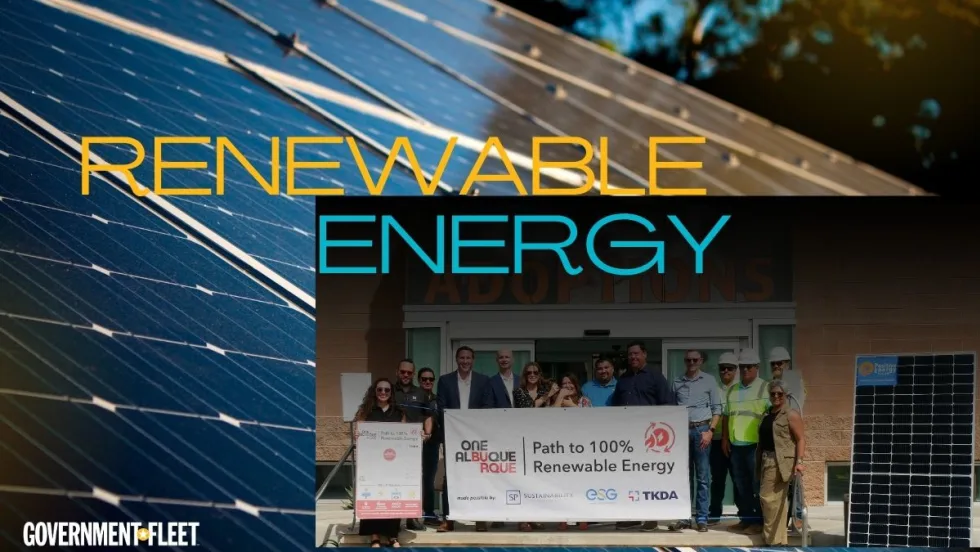
Sustainability Partners, Energy Systems Group Help Albuquerque Close the Gap on its 100% Renewable Energy Goal
The eight-site, 6 MW solar project has advanced the city toward 100% renewable energy for municipal operations.
Read More →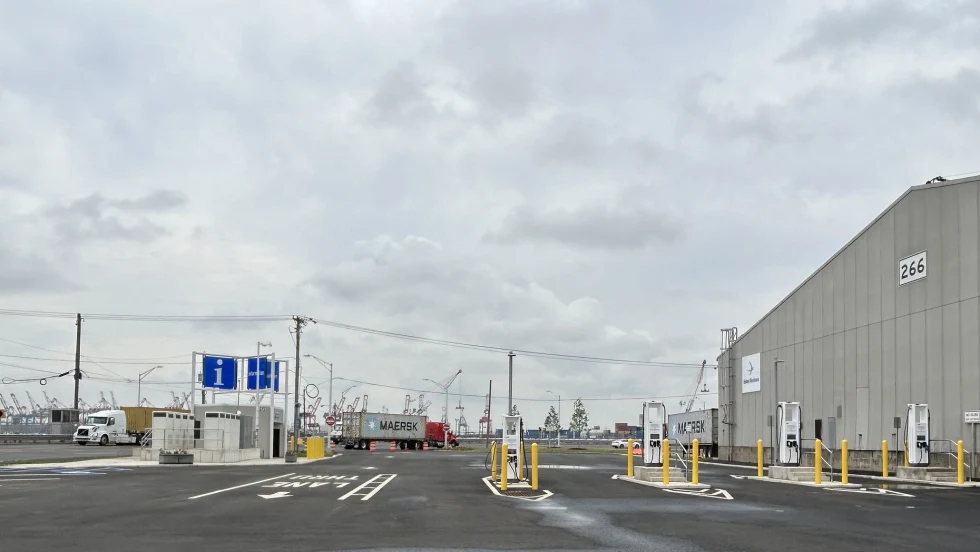
Port Authority and CALSTART Launch $45 Million Electric Truck and Charging Programs
The programs aim to boost sustainable operations across the East Coast's busiest seaport.
Read More →
Moving Government Fleets Beyond the Vehicle Purchase: EV as a Service
A discussion on how EVaaS is moving beyond pilot programs and what fleets should consider before beginning a larger deployment.
Read More →
Moving Government Fleets Beyond the Vehicle Purchase: EV as a Service
As fleets move beyond small EV pilots, Sustainability Partners CEO Adam Cain explains how EVaaS can address the infrastructure and long-term planning required for larger deployments.
Read More →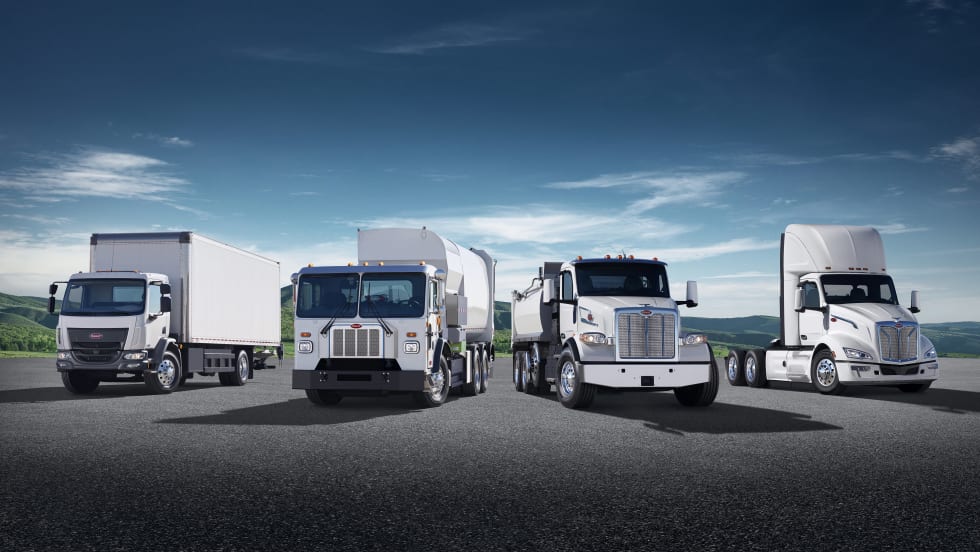
Peterbilt Expands Sourcewell Partnership with Electric Vehicle Lineup
The agreement aims to provide streamlined procurement of Peterbilt trucks for government, education, nonprofit and tribal organizations across the United States and Canada.
Read More →
EV Adoption & Charging Challenges
Where is your fleet in the journey of vehicle electrification? If you're still looking for answers to fleet electrification you've come to the right place.
Read More →
Hawaii Passes Clean Fuel Policy
Hawaii lawmakers passed clean fuel legislation that could support renewable natural gas production, biogas-powered transportation, and lower-carbon fueling options for public and commercial fleets.
Read More →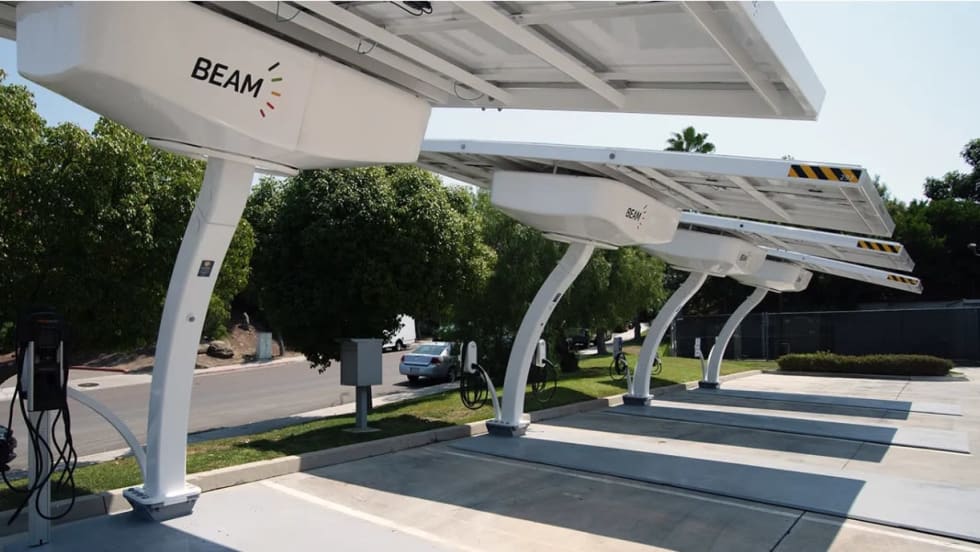
Stanislaus County Deploys Ten Beam Global EV ARC Systems to Support County Fleet Electrification
Stanislaus County deployed 10 off-grid solar-powered EV charging systems and a mobile charging trailer from Beam Global to support its electric fleet operations and emergency response flexibility.
Read More →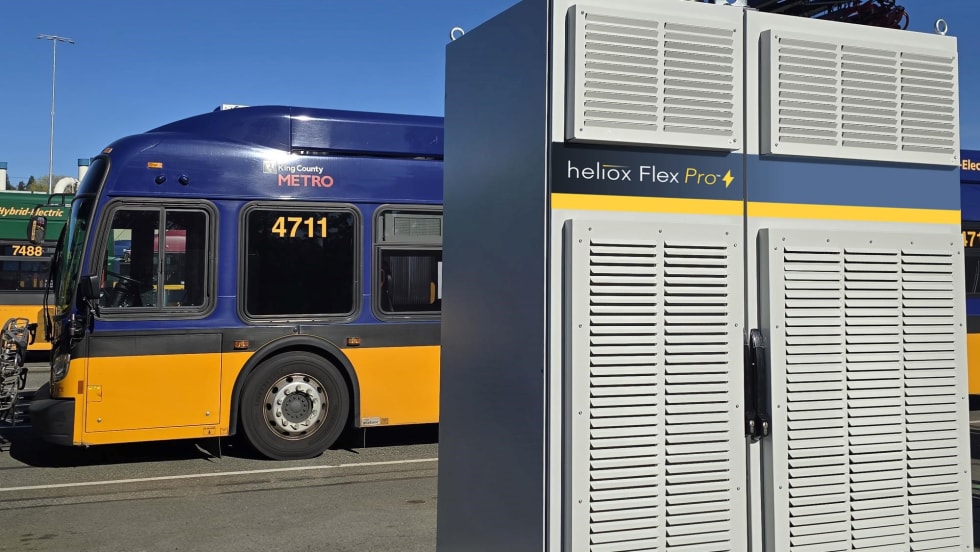
Heliox Pilots 480-kW Bus Charger with King County Metro
King County Metro is piloting Heliox’s new 480-kW Flex Pro charger to support expansion of its battery-electric bus fleet and depot charging infrastructure. The compact charging system supports pantograph and plug-in charging configurations for high-density transit operations.
Read More →