




When Hybrid Batteries Die
The batteries in hybrid vehicles today are based on nickel-metal hydride technology. They last a long time, but not forever. Here is what to do when the battery in a hybrid dies.

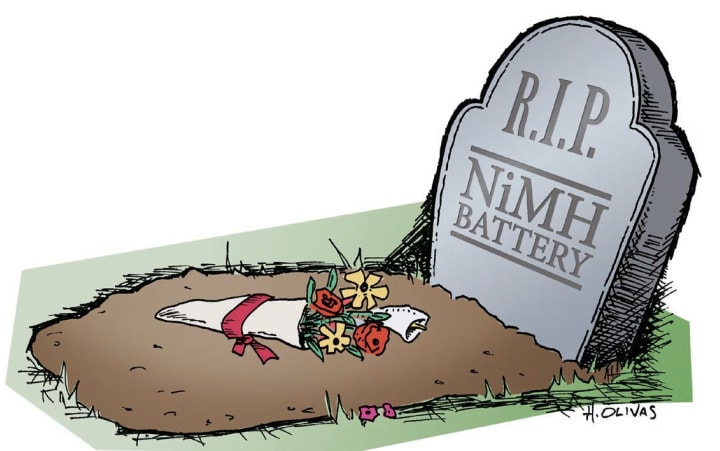
Art by Henry Olivas
Many fleets, both public sector and commercial, have been moving aggressively towards acquiring more hybrids. One issue not fully addressed in the lifecycle analysis of electric and particularly hybrid-electric vehicles is what happens at the end of their service life. Most vehicle batteries, in fact most batteries in general, contain highly poisonous substances that should never enter our drinking water or food chain.
So, what should be done with the batteries, and does disposal vary for different kinds of batteries?
Since the first onboard electric systems became available in the early years of the 20th century, the system's battery in automobiles were still lead-acid units. Lead and hydrochloric acid are not noted for being environmentally friendly. Nickel-cadmium batteries are even worse. New battery technology is much "greener."
NiMH, the Technology of Choice
Nickel-metal hydride (NiMH) is the technology of choice for the emerging hybrid-electric vehicle market. The technology is gaining acceptance for mission-critical backup power needs due to its excellent performance, high energy, reliability, low cost of ownership, and long life.
Cobasys LLC, headquartered in Orion, Mich., with manufacturing facilities in Springboro, Ohio, has been a leader in the development of NiMH batteries for automotive and other applications. Cobasys was formed as a joint venture between Chevron and Energy Conversion Devices (ECD Ovonics) to further the development of emerging technologies and alternative-energy processes and products. The company has been working closely with major automakers to incorporate advanced energy storage systems to meet hybrid-electric vehicle requirements. According to Cobasys, battery packs in hybrid vehicle applications must survive extremes in temperature and road vibrations and last the life of a vehicle.
NiMH batteries consist of two electrodes: the positive uses nickel-hydroxide for the cathode and the negative uses metal hydride for the anode. The electrodes are sandwiched together with a polymer separator to eliminate shorting. A small amount of water plus a potassium hydroxide mixture forms the electrolyte, which is added to the cell. The cell is sealed and charged electrically to form a 1.2v electrochemical couple. Individual cells can be connected in series to make batteries in various voltage ranges. A typical module is 12v.
Battery technologies are evaluated in terms of complete discharge cycles. A standard electric-vehicle battery can be charged and discharged 1,000 times to 80 percent depth-of-discharge (DOD), equivalent to more than 100,000 miles.
Hybrid vehicle applications use batteries differently. Generally, the battery is never fully charged or discharged in hybrid applications. NiMH batteries used in hybrid-electric vehicle applications can be cycled in shallow discharges hundreds of thousands of times and last more than 200,000 miles under a partial charge/discharge regime.
Recycling is the Answer
NiMH batteries are 100-percent recyclable and use no toxic materials (lead, cadmium, or lithium), making them the only rechargeable battery that can be legally disposed of in a landfill. But simply dumping them into a landfill is not economically nor environmentally sound.
So the answer is recycling. Hybrid vehicle manufacturers said they would accept the old battery and recycle it when it needed replacing.
Battery technology is advancing day by day. If you put a hybrid vehicle into service today, you probably will never have to worry about replacing the battery.
More Green Fleet
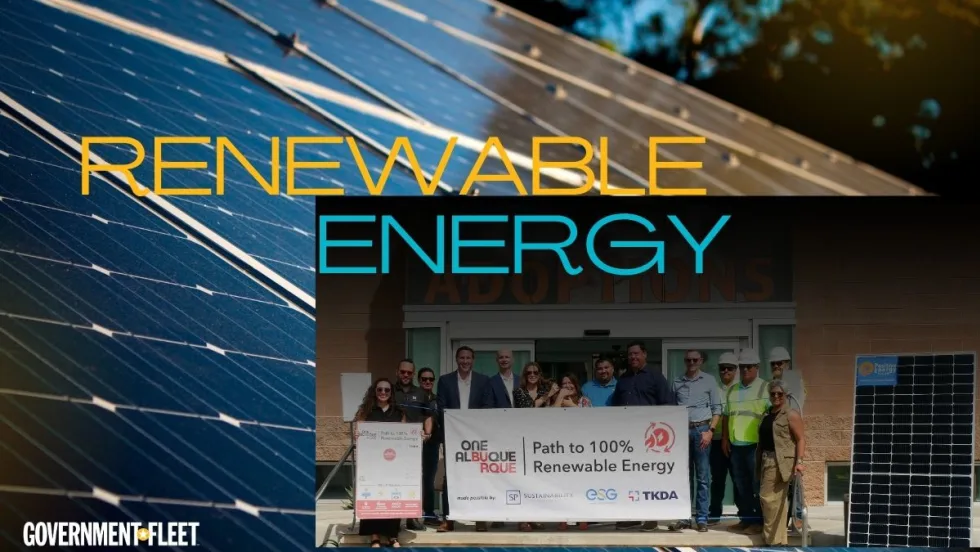
Sustainability Partners, Energy Systems Group Help Albuquerque Close the Gap on its 100% Renewable Energy Goal
The eight-site, 6 MW solar project has advanced the city toward 100% renewable energy for municipal operations.
Read More →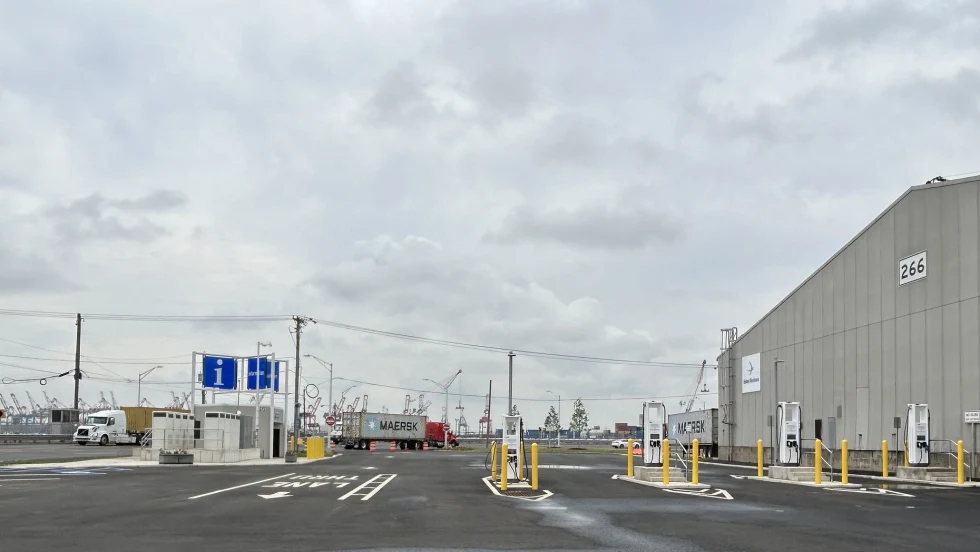
Port Authority and CALSTART Launch $45 Million Electric Truck and Charging Programs
The programs aim to boost sustainable operations across the East Coast's busiest seaport.
Read More →
Moving Government Fleets Beyond the Vehicle Purchase: EV as a Service
A discussion on how EVaaS is moving beyond pilot programs and what fleets should consider before beginning a larger deployment.
Read More →
Moving Government Fleets Beyond the Vehicle Purchase: EV as a Service
As fleets move beyond small EV pilots, Sustainability Partners CEO Adam Cain explains how EVaaS can address the infrastructure and long-term planning required for larger deployments.
Read More →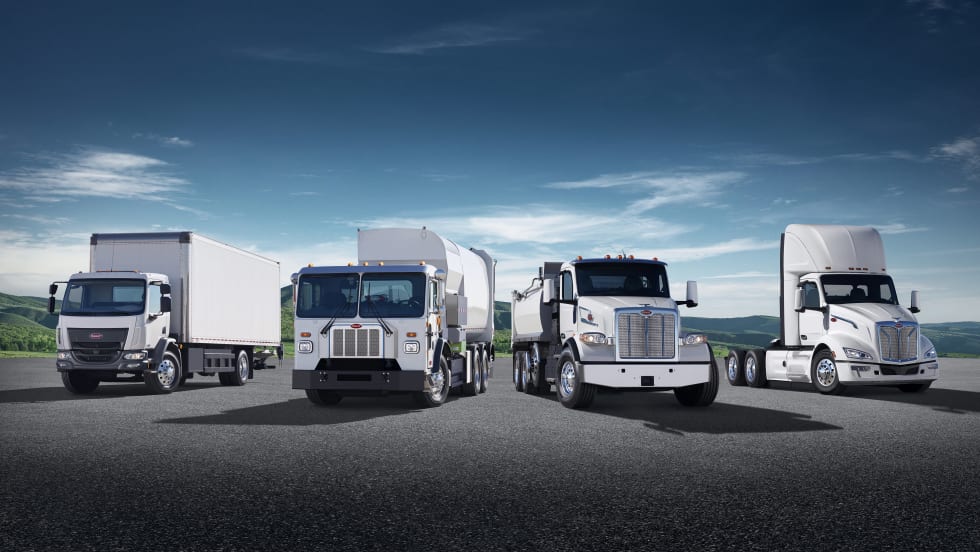
Peterbilt Expands Sourcewell Partnership with Electric Vehicle Lineup
The agreement aims to provide streamlined procurement of Peterbilt trucks for government, education, nonprofit and tribal organizations across the United States and Canada.
Read More →

EV Adoption & Charging Challenges
Where is your fleet in the journey of vehicle electrification? If you're still looking for answers to fleet electrification you've come to the right place.
Read More →
Hawaii Passes Clean Fuel Policy
Hawaii lawmakers passed clean fuel legislation that could support renewable natural gas production, biogas-powered transportation, and lower-carbon fueling options for public and commercial fleets.
Read More →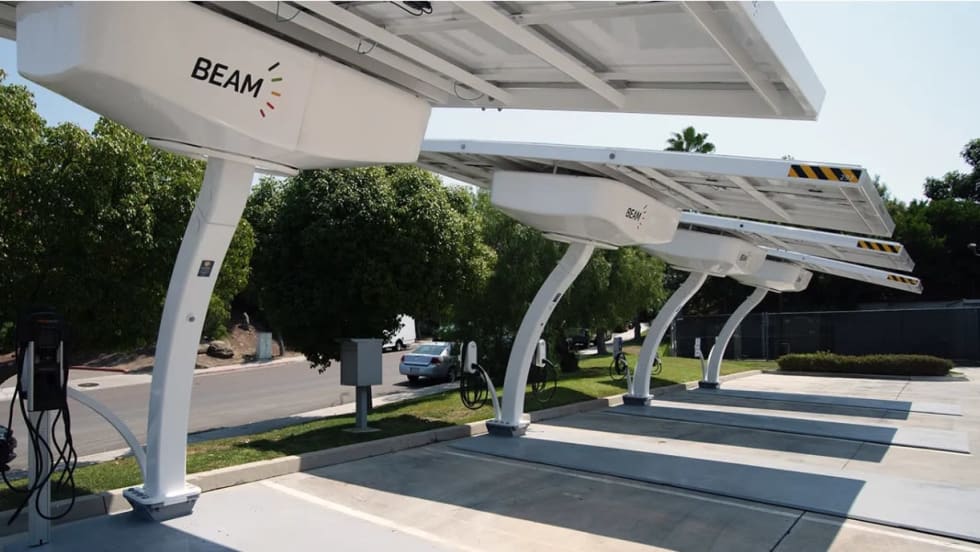
Stanislaus County Deploys Ten Beam Global EV ARC Systems to Support County Fleet Electrification
Stanislaus County deployed 10 off-grid solar-powered EV charging systems and a mobile charging trailer from Beam Global to support its electric fleet operations and emergency response flexibility.
Read More →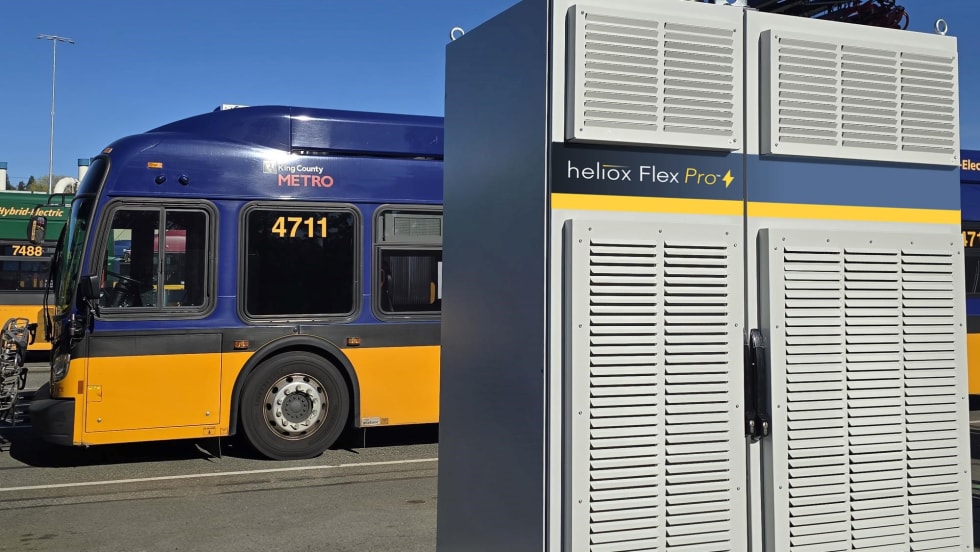
Heliox Pilots 480-kW Bus Charger with King County Metro
King County Metro is piloting Heliox’s new 480-kW Flex Pro charger to support expansion of its battery-electric bus fleet and depot charging infrastructure. The compact charging system supports pantograph and plug-in charging configurations for high-density transit operations.
Read More →