




Similar Content: San Diego Launches Solar-Powered EV Charging Stations
Orlando Proves the Power of Solar Arrays
The City of Orlando’s Fleet & Facilities Management Division is taking steps to harness energy from the sun to power electric vehicles and buildings.

Lexi Tucker・Senior Editor

The City of Orlando’s Fleet & Facilities Management Division is taking steps to harness energy from the sun to power electric vehicles and buildings.
4 min to read
As government fleets look for ways to run a more environmentally friendly operation, some are already ahead of the curve. David Dunn, CFM, division manager for the Fleet & Facilities Management Division for the City of Orlando, is helping take the city’s success with solar arrays to the next level.
Multiplying Benefits
The current solar array was first installed back in 2013 on the city’s fleet garage. The 420-kW system was completely paid for by the Orlando Utilities Commission (OUC) and installed and maintained by ESA Renewables. Fleet management was able to lock in its electric rate for 25 years through a contract.
Now, the fleet division is paying to expand the solar array in order to add an additional 280-kW that will be installed over the location where it parks its 32 electric vehicle (EV) motor pool units. The power from the sun to the solar array will be transferred into a cargo-container-sized battery OUC is purchasing. Everything more than what is needed to charge the EVs will then flow back into the grid.
Dunn gives credit to the University of Central Florida and the Florida Solar Energy Center for the idea, as they’ve conducted tests with a single vehicle in a laboratory setting.
“By proving it on a grander scale, not only will the city benefit from having that additional power, it will also provide shading over the motor pool vehicles. So instead of walking out to a vehicle that's been sitting in the scorching Florida sun for hours, you will walk out and get into something that won't be quite as hot,” he explained.
Once proven it can be done on this kind of a scale, Dunn envisions it as something other operations will be able to look to and emulate.
Taking Next Steps
The addition to the current solar array is currently being put through a complete design process because fleet management wanted to have absolute control over all of the elements being included. Since the department already knows the size of the battery being used as well as the specs of the vehicles that will need to be charged, it wanted tight control over what was going to be deployed — rather than put it out for a typical bid where somebody comes back with a concept.
Dunn has just gone through the final review with the city’s legal and purchasing departments and is expecting the project to go out for bid sometime in May.
The current solar array system has received nothing but rave reviews. The roof of the aptly named H-building where the original solar array was installed is reflective, so all the captured heat and reflected sunlight mitigates the heat coming into the building. The long sides of the H, where the bays are and where the mechanics work, are open air, which has helped mitigate some of the heat transmitted into that space as well. The small leg that connects the two long legs of the H is air-conditioned space. This helps mitigate heat that would have been transmitted into that building and has saved on costs associated with air conditioning.
Buy-In Matters
The city has what is called the Green Works Orlando initiative which was launched in 2007 by Mayor Buddy Dyer. Dunn was a part of the team when it was kicked off, and he helped create specific facility-related goals in the beginning. It has since evolved into touching every aspect of the city and continues to morph every couple of years as the city upgrades it.
One of the current goals is to have the entire city fleet run on alternative fuels by 2030. In addition to this, Mayor Dyer had facilities management put solar arrays on 10 additional buildings in the last year, as well as deploy an additional 100 dual-head charging stations.
“Fleet and Facilities remains engaged in greening initiatives because of the success we've been able to bring. We are smart enough to always sell it short and then deliver big. It helps us get funding for more projects,” Dunn said.
During the Obama administration, the Facilities Division received grant money and was so successful with building upgrade projects that Rebecca Sutton, chief financial officer at the time, came to Dunn and asked if he could replicate those results if she was able to get them more money, Dunn explained. She floated a $17.5 million dollar bond that turned into upgrades to facilities.
“Everything we've invested in has had dramatic effects on energy saving, water conservation, and better occupied space for people,” he explained.
“The most effective thing you can do is get leadership to buy into these initiatives. When I get invited to speak to other City Councils and they ask, ‘What was your biggest obstacle you needed to overcome?’ I’m able to say we didn't have one because the mayor was on board from the very beginning. You have to be the champions to get out there and push for it.”
Subscribe to Our Newsletter
More Green Fleet
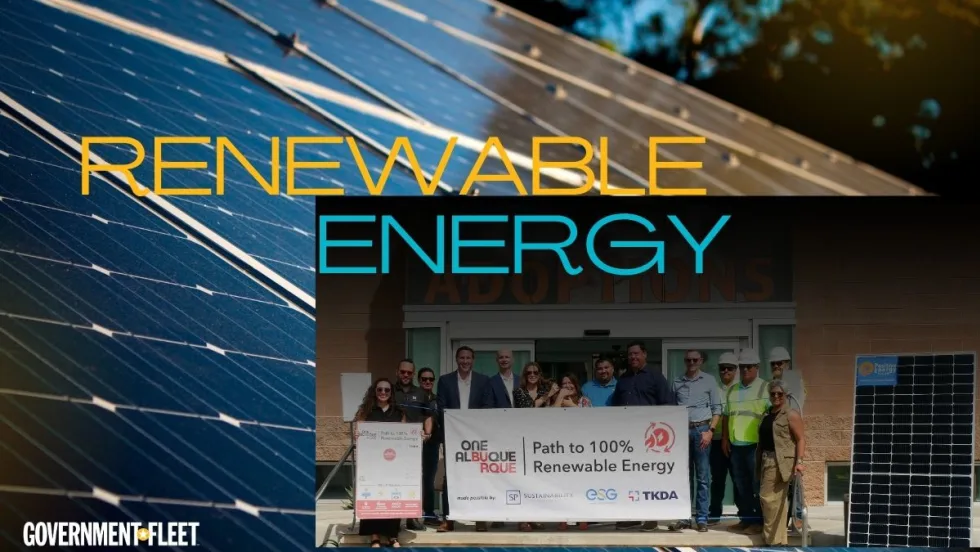
Sustainability Partners, Energy Systems Group Help Albuquerque Close the Gap on its 100% Renewable Energy Goal
The eight-site, 6 MW solar project has advanced the city toward 100% renewable energy for municipal operations.
Read More →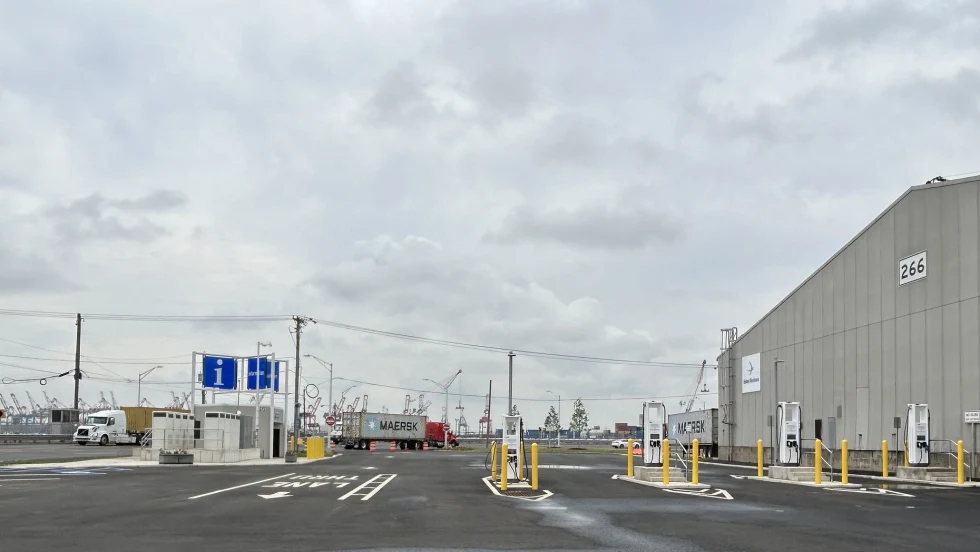
Port Authority and CALSTART Launch $45 Million Electric Truck and Charging Programs
The programs aim to boost sustainable operations across the East Coast's busiest seaport.
Read More →
Moving Government Fleets Beyond the Vehicle Purchase: EV as a Service
A discussion on how EVaaS is moving beyond pilot programs and what fleets should consider before beginning a larger deployment.
Read More →
Moving Government Fleets Beyond the Vehicle Purchase: EV as a Service
As fleets move beyond small EV pilots, Sustainability Partners CEO Adam Cain explains how EVaaS can address the infrastructure and long-term planning required for larger deployments.
Read More →
Peterbilt Expands Sourcewell Partnership with Electric Vehicle Lineup
The agreement aims to provide streamlined procurement of Peterbilt trucks for government, education, nonprofit and tribal organizations across the United States and Canada.
Read More →

EV Adoption & Charging Challenges
Where is your fleet in the journey of vehicle electrification? If you're still looking for answers to fleet electrification you've come to the right place.
Read More →
Hawaii Passes Clean Fuel Policy
Hawaii lawmakers passed clean fuel legislation that could support renewable natural gas production, biogas-powered transportation, and lower-carbon fueling options for public and commercial fleets.
Read More →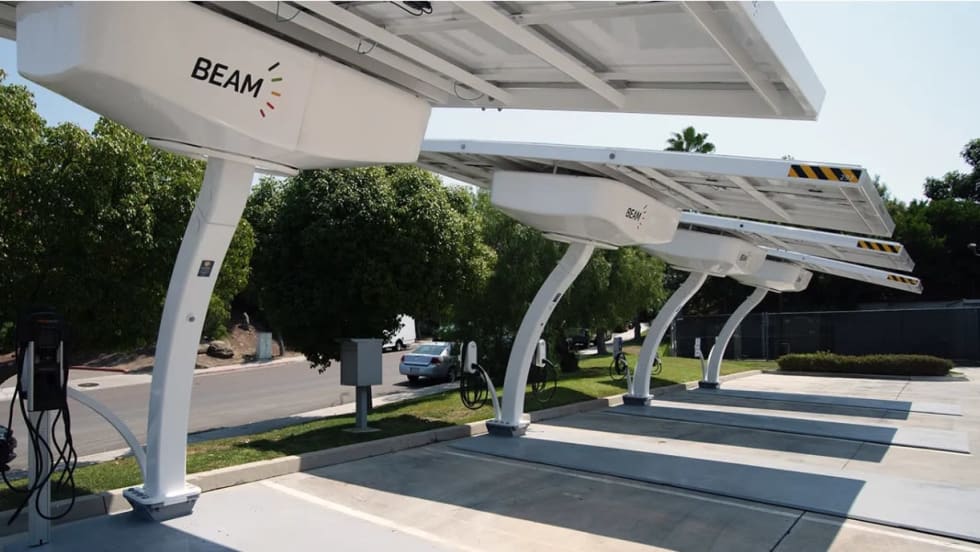
Stanislaus County Deploys Ten Beam Global EV ARC Systems to Support County Fleet Electrification
Stanislaus County deployed 10 off-grid solar-powered EV charging systems and a mobile charging trailer from Beam Global to support its electric fleet operations and emergency response flexibility.
Read More →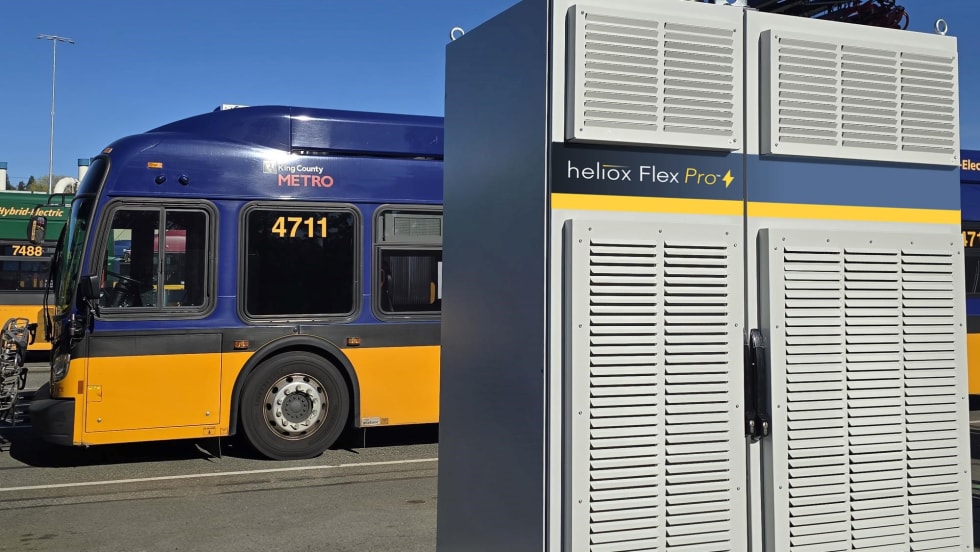
Heliox Pilots 480-kW Bus Charger with King County Metro
King County Metro is piloting Heliox’s new 480-kW Flex Pro charger to support expansion of its battery-electric bus fleet and depot charging infrastructure. The compact charging system supports pantograph and plug-in charging configurations for high-density transit operations.
Read More →