




How to Create a Law Enforcement Motorcycle Replacement Standard
Factors to consider when determining how long you can keep your motorcycles running before they need to be replaced, and why it will differ from agency to agency.

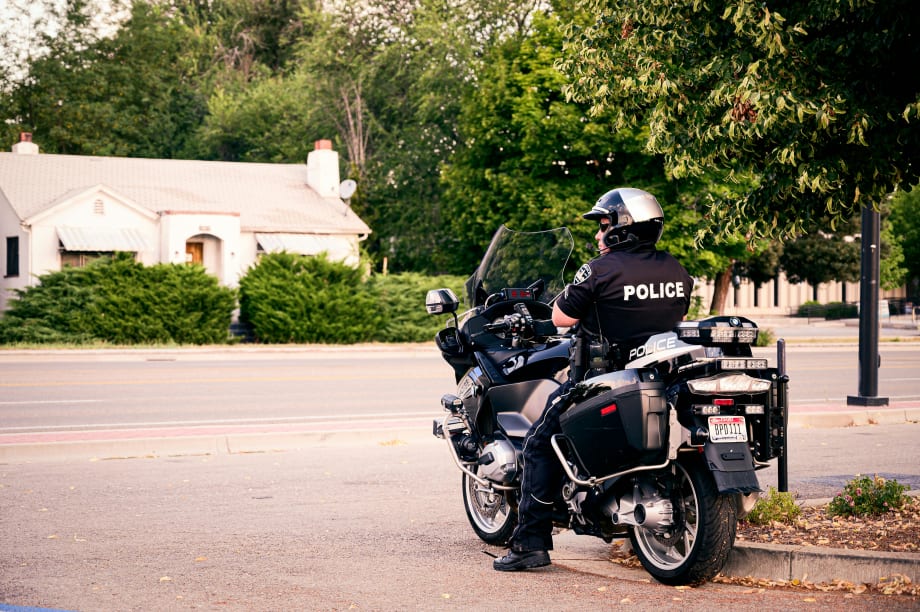
Motorcycle use cases vary depending on the needs of your community. The lifecycle of a bike for a motor officer traveling most of their shift on a highway will differ from that of one who uses mostly city streets with more idling.
Photo: Brett Sayles via Pexels
The use of motorcycles can be invaluable for law enforcement fleets, providing an easier way for officers to navigate through heavy traffic, allowing for a rapid incident response, and because of their versatility. Knowing when to replace them can lead to a healthier fleet.
We broke down some of the basics of motorcycle lifecycles and what to ask yourself when creating a replacement standard for your motor unit.
What is the Mission of Your Motor Unit?
Motorcycle use cases vary depending on the needs of your community. The lifecycle of a bike for a motor officer traveling most of their shift on a highway will differ from that of one who uses mostly city streets with more idling.
Consider the operational demands of the motorcycle: will it be used for traffic enforcement, patrols, escort services, or other use cases?
You should also consider how often throughout the year that the units are used. Are they used in the winter, or stored away? If you do use them in colder temperatures, your gas mileage might be lower, leading to higher fuel costs.
These factors can heavily influence the lifecycle of a motorcycle, Denver Police Fleet Supervisor Jeffrey Navarro said.
“All of our marked patrol motorcycles are required to perform frequent escort duty for visiting politicians and VIPs. During these motorcades, the motorcycles usually run at high speeds for long periods of time from our airport to downtown, or some other metro area locations. On the other hand, the patrol units assigned to our Downtown Motorcycle Unit idle for hours at a time and do tons of low speed driving all day long,” Navarro explained.
Denver police officers use their motorcycles year-round, as long as roads are not snow- or ice-covered.
What Are the Maintenance Costs?
As with any vehicle, motorcycle maintenance and repair costs go up over time. Monitor maintenance records to identify when the costs exceed the motorcycle’s value.
If you’re running older model motorcycles, ensure the parts you will need for preventive maintenance and repairs are still readily available and affordable.
These factors also vary between make and model. Where one model might do well as you rack up the miles, another may experience more downtime or have higher replacement part costs.
What Does the Data Say?
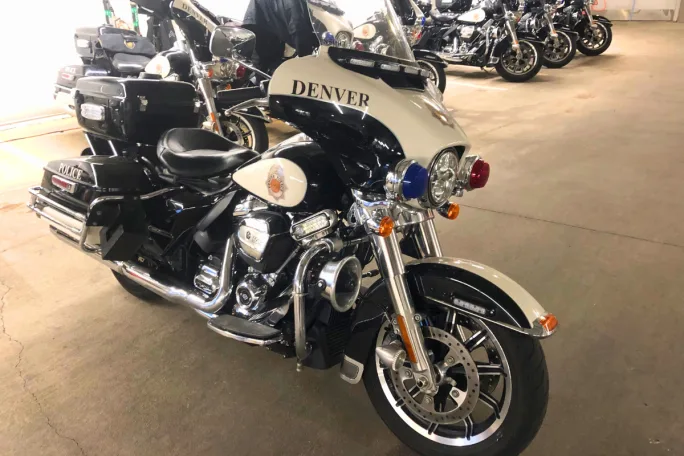
Denver PD's replacement standard is five years and 25,000 miles.
Photo: Denver Police Department
Determine the average cost per mile for your motorcycles, which includes factors like maintenance and repair, parts, and fuel.
Using your own agency’s historical data can help you gain valuable insights. How long have your motorcycles lasted historically before they needed to be replaced? When during their lifecycle did the downtime begin to increase?
Going off of industry standards may not always work for your fleet, since use cases vary so heavily.
“We found that sometimes the maintenance requirements and standards that fit generally into a classification of type of vehicle don't necessarily fit the way we work. We use a lot of historical data to come up with when that replacement cycle needs to happen for our vehicles,” Navarro said.
If you are creating a new motor unit from the ground up, don’t forget to store data on maintenance and repair and mileage for your fleet. This will be invaluable as you create a replacement standard.
What Are the Resale Values?
Keep an eye on the depreciation rate of your motorcycles to ensure you can retain some value before it’s time to replace them.
“Part of our fleet replacement funding is supplemented by vehicle resale, so recovering some of this cost is key,” Navarro stressed.
All of Denver PD’s decommissioned vehicles are sold through a third-party auction site to maximize the resale value.
The Bottom Line: Your Replacement Standard Will Differ from Other Fleets
For Denver PD, the replacement cycle is five years and 25,000 miles. This may sound low to some, but this includes all of the previously mentioned factors.
Santa Clara County, California, Fleet Manager and MEMA NorCal Vice Chairperson David Worthington reached out to other MEMA members to see what their motorcycle fleet lifecycles are. They varied from a low of three years to a high of 12 years and 20,000 miles to 96,000 miles because of the use cases, maintenance costs, data, and resale values. These numbers can — and should — change from time to time.
“It is a best practice to review replacement criteria on a regular basis and adjust it as necessary based on the latest data available to minimize total cost of ownership (TCO) while maximizing operational in-service times,” Worthington suggested.
More Police
Ford Pro Introduces Full-Size 2028 Expedition Police Responder
Ford Pro gave law enforcement customers a first look at the pursuit-rated utility during Police Fleet Expo.
Read More →
Paterson Police Expand Drone Fleet, Launch Real-Time Operations Center
The Paterson Police Department has expanded its drone program and opened a new Real-Time Operations Center designed to support emergency response and incident management. The initiative integrates multiple technologies to provide officers with real-time information during investigations and public safety operations.
Read More →
Why Public Fleet Success Depends on More Than the Vehicles
Tim Coxwell of the Leon County Sheriff’s Office discusses the projects shaping his fleet operation, including long-term work around vehicle selection, greenhouse gas emissions, and cost per mile.
Read More →
Havis Acquires Pro-gard Products
The acquisition brings together two manufacturers of public safety vehicle equipment under one company. Havis says the move expands its portfolio of products for outfitting law enforcement vehicles and other public safety fleets.
Read More →
RTA Fleet Introduces AI Assistant for Fleet360 Platform
As artificial intelligence continues to gain traction across public-sector operations, fleet software providers are finding new ways to incorporate the technology into everyday workflows. RTA's latest addition aims to simplify how users interact with fleet data.
Read More →
2026 Police Fleet Innovators Named
Meet the professionals finding new ways to solve some of law enforcement's toughest fleet challenges.
Read More →
Rynse Expands Nationwide Fleet Wash Access for Law Enforcement
The North Carolina Sheriff’s Association Contract Cooperative purchasing contract aims to streamline procurement process for law enforcement agencies across the U.S.
Read More →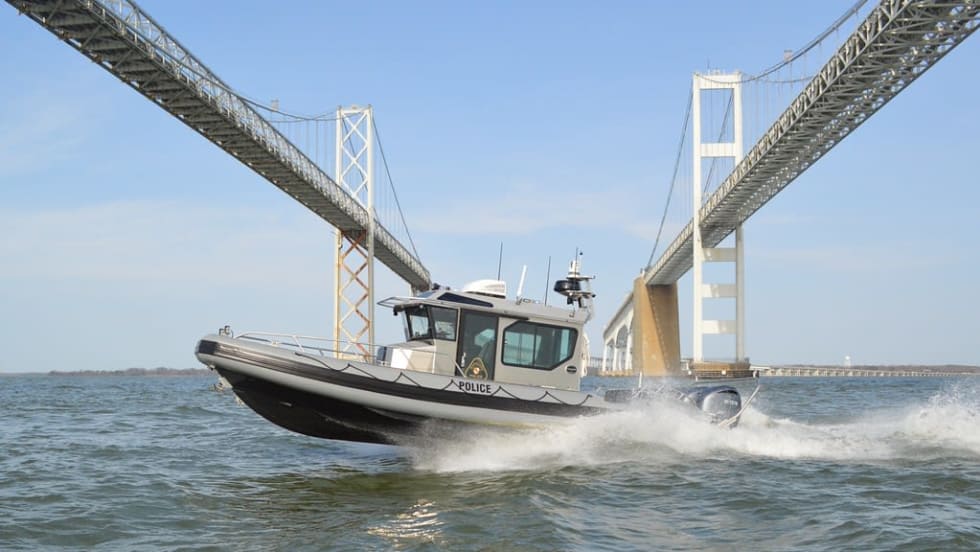
Maryland Natural Resources Police Adds 31-Foot Patrol Boat to Enforcement Fleet
A new addition to Maryland’s marine enforcement fleet is bringing expanded capabilities to Chesapeake Bay operations while honoring a legacy within the agency. The high-performance patrol vessel reflects how law enforcement fleets are adapting to growing demands on the water.
Read More →
LEHR Expands Florida Presence With Enforcement One Acquisition
LEHR has acquired Florida-based emergency vehicle upfitter Enforcement One, marking its eighth add-on acquisition.
Read More →
Maryland’s Wicomico County Sheriff Adds Mustang GT Patrol Vehicles
The agency is also working with the Maryland Police Training Commission on a specialized high-performance driving course for deputies assigned to the vehicles.
Read More →