




How Facilities Impact Retention
Erik Metzger discusses the techniques he’s used to create a place where technicians feel like they have the tools they need to excel at what they do.

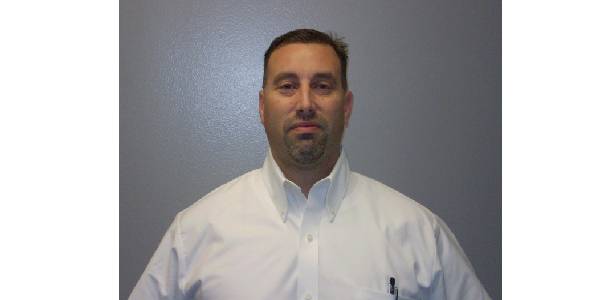
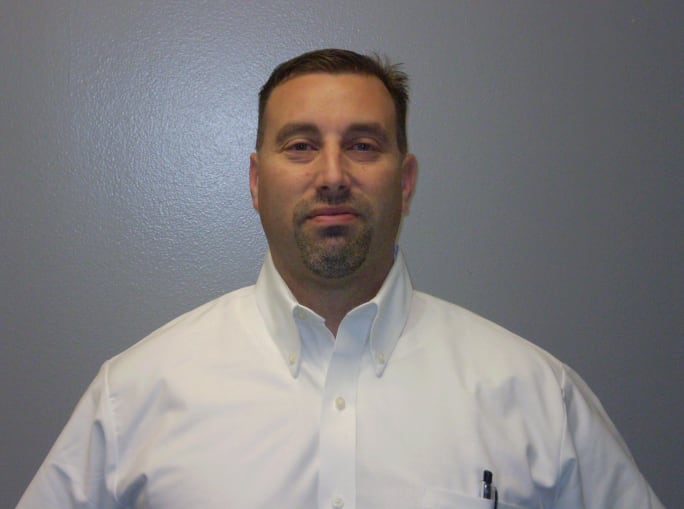
Erik Metzger
Finding quality technicians and retaining them is an issue many fleet managers are having across the country. Various techniques have worked for different areas, but the trick that’s been the most effective for Erik Metzger, fleet manager for the City of Conroe, Texas, is hiring everyone in at the middle pay grade instead of the bottom.
“I was tired of hiring technicians and losing them for $2 more an hour somewhere else. Some people leave because they've found better jobs, and I understand we might not have been the best fit for them. That’s why I started hiring more for attitude over aptitude.”
One can be the most certified technician in the world, but if they are constantly in a bad mood, it isn't going to matter. Outlook is everything, as is a desire to improve and learn. That’s why he’s encouraged them to pursue certifications while they work for him.
Providing a Workplace Set Up for Success
Another challenge he’s faced during his time working for the city was updating its facility. While it wasn’t exceptionally old, he and his crew had outgrown it.
“We were bringing in vehicles like fire trucks that would take up the entire width of the facility and were barely able to close the doors,” he explains.
So, he got to work building a case to present to the city council, and had it approved in 2019…but not without some dissention. When he presented his plans, he was actually a million dollars over budget, as he had tried to make sure the building would be as future-proof as possible. This was not an easy sell.
One council member asked him if he could downsize, and he explained he could make it smaller, but they’d just be back together a few years later asking for more money to add onto it, and it’ll only get more expensive as time goes on.
“It’s just great compared to what we had. When I take people through for a tour, they often notice my office is smaller now. I tell them I don't need a big office to do my job. Where I need the square footage is out on the shop floor where the guys who actually work need it. Honestly, the more office space you have, the more people want to come in and sit down or there’s more space for clutter to gather. I just need space for my computer and phone; the rest of that space should be designated for the techs.”
He says eventually he could fit 20 technicians into the space. Each has five separate bays for themselves, which is usually unheard of. Metzger is always thinking toward the future, and didn’t want whoever comes after him to wish the facility was built larger.
On top of all these benefits, having a nice, brand-new shop also makes for an excellent recruiting and retention tool.
Planning for a Tech-focused Future
Metzger’s current project involves migrating his fleet management software. The city will remain on FASTER Asset Solutions, but is moving to the cloud-based version of the product. He plans to host it on city servers for security purposes. This will ensure everybody who needs it will have access to it, including customers.
“They can actually view the statuses of their vehicles in real time instead of calling us. You can look at the work orders and see if the work is done, if we are waiting on parts, what the ETA of a part is, etc.”
When he was building the new facility, he actually recruited one of his IT people to help make sure they had everything they needed for a server room to accommodate future technological advances.
Change of Plans
Metzger originally wanted to stay a technician. After receiving his associate’s degree, he applied to work at the city at the behest of a friend. Sure enough, he got the job and was promoted to foreman in two years. From there, he was offered the position of fleet manager. Although he didn’t have his certification at the time, his boss allowed him to work as the interim fleet manager while pursuing it. He enjoys every part of the job (even the number crunching, which he never planned on getting involved in).
“I find it very rewarding and intriguing.”
Thinking Things Through
When asked what piece of advice he’d like to pass on to others, he says attending fleet conferences is a must.
“Everyone is so nice, and they give you all the information you’d ever need…even some info you might not think you need now, but may be helpful later in your career. I'm in South Texas, so I don’t need to know about snow removal, but it's interesting to see how the other half lives. You never know where you're going to end up…I might be in Minnesota two years from now and that knowledge would sure come in handy.”
He also cautions others to listen twice as much as you talk. When new at any position, it’s vital to take a moment to sit back and soak in as much as you can.
“As soon as you get a new position, everyone comes out of the woodworks either wanting something from you or trying to feel you out to see where you stand on certain issues.”
For instance, when a problem arises and you think you know a way to solve it immediately, it’s best to let it simmer to help you generate better ideas than you may have originally had.
“Sometimes parts people feel pressure to shoot out an answer when asked when something will be done. If you say “tomorrow” without doing the research and seeing a part is on backorder nationwide and won’t be here for three months, that’s going to cause problems. Shooting off an answer you think people want to hear might not always be the best answer to give them.”
More Operations
Who Deserves Fleet Recognition and What Could You Teach at GFX?
Who helped shape your fleet career, and what have you learned that could help someone else?
Read More →
What’s Haunting Public Sector Fleets?
Public sector fleet challenges rarely happen in isolation, and addressing one often means understanding how it connects to another.
Read More →
Is Keeping Older Fleet Vehicles Really Saving Money?
Is keeping vehicles longer saving money, and what happens when a diagnostic test points to the wrong fix?
Read More →
How Smart Fleet Strategy Can Help Local Government Agencies Do More with Less
Keeping a vehicle longer may ease this year’s budget, but what does it cost the next one? A closer look at fleet decisions can reveal opportunities to reduce spending while protecting essential services.
Read More →
Connect with Government Fleet on LinkedIn
From industry news and fleet management strategies to conversations with peers, Government Fleet's LinkedIn page offers public-sector fleet professionals another way to stay informed and connected.
Read More →
Town of Queen Creek Named Most Successful Fleet Award Winner of Inaugural RTA Fleet Success Awards
Five fleets were honored at RTA Connect 2026 in Chicago for excellence across resource efficiency, intentional culture, risk management, and stakeholder satisfaction.
Read More →
A buyer's guide to fleet management software in 2027
Buying fleet management software in 2027 means looking beyond features and price. As fleet operations, technology and expectations evolve, this guide explores what today’s fleet professionals should consider when choosing a system that can deliver value now and adapt to what comes next.
Read More →
Hazard Alerts, Fleet Car Sales Rise and a New Shuttle Concept
Fleet car sales doubled, but the bigger picture tells a different story in this week’s roundup.
Read More →
How St. Johns County Turned Fleet Data Into Better Replacement Decisions
St. Johns County, Florida, had fleet data, but turning it into reliable decision guidance was another matter. Instead of starting over with a new fleet management system, the county connected existing tools and built a scoring system that gives managers an objective look at fleet health.
Read More →
Fleet Forward Conference Introduces One-Day Passes for 2026
New one-day registration lets fleet professionals attend Tuesday, Wednesday, or Thursday, with passes available for $249.
Read More →