




Fleet Profiles
This overview provides information about more than 200 public fleet survey respondents, including data about outsourced services, budget changes, and remarketing methods.



This section includes profile information about 218 fleets, including the types of agencies they work in, the population of the area the agency serves, and the customers the fleet departments serve. Additionally, it provides an overview of fleet budgets and how they have changed in the past year, commonly outsourced services, tool allowances, and current remarketing practices and changes.
Data collected from the survey suggest that finances may be getting better for many fleet agencies. Forty-four percent of respondents reported an increase in fleet budget, a significant jump from last year’s 17% reported increase. While the budget increases are low — mostly less than 5% — the comparison to the prior year shows significant gains.
For outsourced services, 12% of fleets said they began outsourcing more work than they did the prior year, while only 4% said they were bringing previously contracted work in-house. Those who are sending out more work said the main services they send out are parts management, upfitting, and technological repairs on newer vehicles that staff do not have adequate training or tools to fix.
Data about remarketing practices suggest a trend toward switching to online auctions, with many partnering with companies that specialize in online remarketing.
In July, Government Fleet solicited responses to an annual survey from its readership, receiving 218 qualified responses. The data from this section and most other sections in this issue, unless stated otherwise, come from this opt-in survey. These statistics comprise one of the largest pools of industry data collected.
View the survey results here.
More Remarketing
Missouri County Enters Partnership for Vehicle Leasing and Sales
In a recent development focused on improving operational efficiency, Franklin County, Missouri, has entered into agreements with Enterprise Fleet Management.
Read More →
The State of the Vehicle Market Today
What is the state of the vehicle market today? What are you thinking about when deciding to order vehicles? What might be some of the considerations for vehicle replacement? Find answers to these questions and more on this episode of GovCast.
Read More →
The State of the Vehicle Market Today
Answers around the state of the vehicle market, what to consider when ordering vehicles, and more.
Read More →
Sold! Why You Should Use Auctions for Used Fleet Vehicles
A seasoned government fleet manager shares why using auctions to sell used vehicles can be valuable.
Read More →
Using Online Auctions to Fill Gaps in Fleets
Commercial fleets are constantly dealing with canceled vehicle orders. Government fleets can help meet these needs – and cash in – by selling their used vehicles and heavy equipment.
Read More →
NYC Faces Lawsuit Over New Vehicle Auction Contract
The city's previous contractor argues it was not made aware of a new contract DCAS was working on for 10 months. It also argues the new contract will cost the city $6 million more.
Read More →
4 Tactics to Exploit Delivery Delays & High Resale Values Now
A panel at GFX suggested tactics for fleet managers to take advantage of the current long vehicle delivery delays and astounding resale values.
Read More →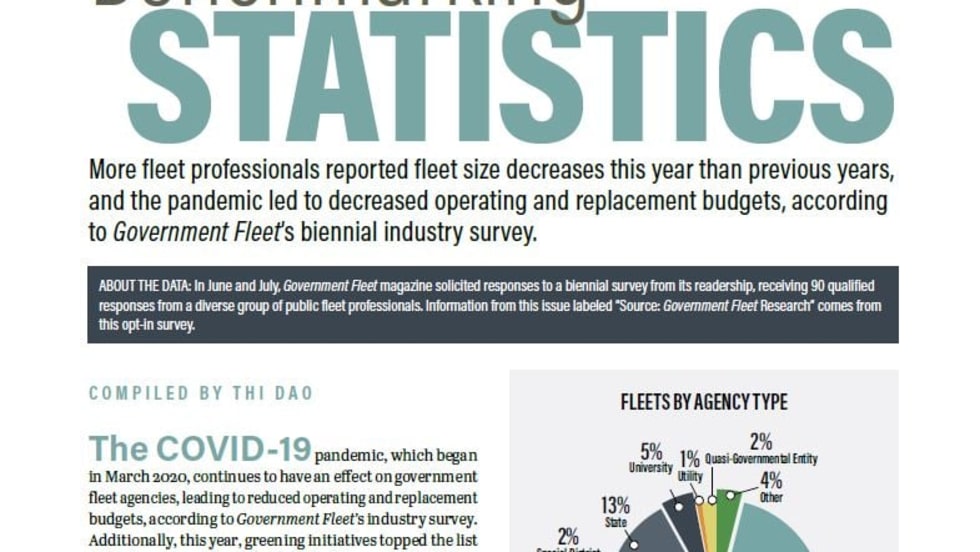
2021 Benchmarking Statistics
This report covers public sector fleet operations statistics for 2021, taken from Government Fleet's biennial industry survey.
Read More →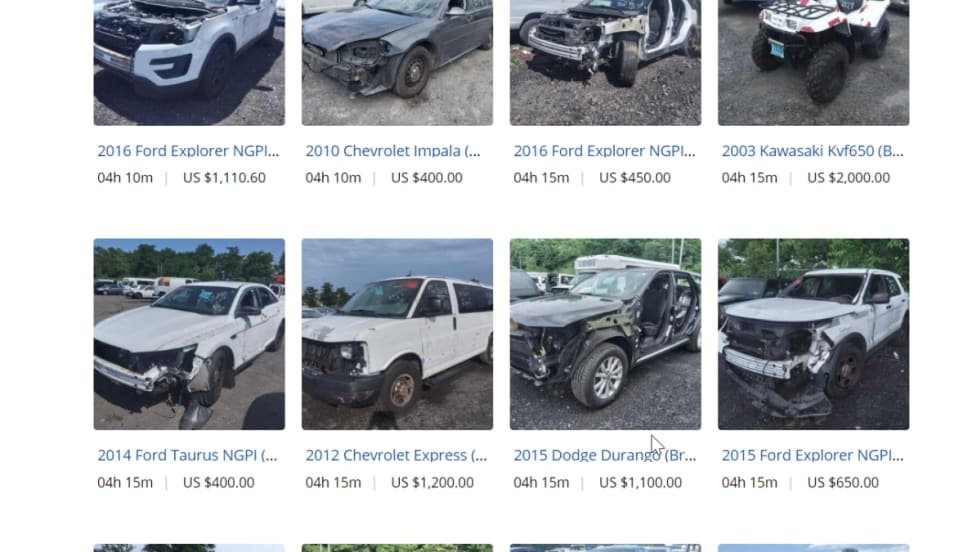
NYC Posts Record Fleet Revenue with Strong Resale Values
For fiscal-year 2021, New York City DCAS brought in $15.75 million in revenue between the sale of used vehicles and pursuit of restitution when private vehicles damage fleet vehicles.
Read More →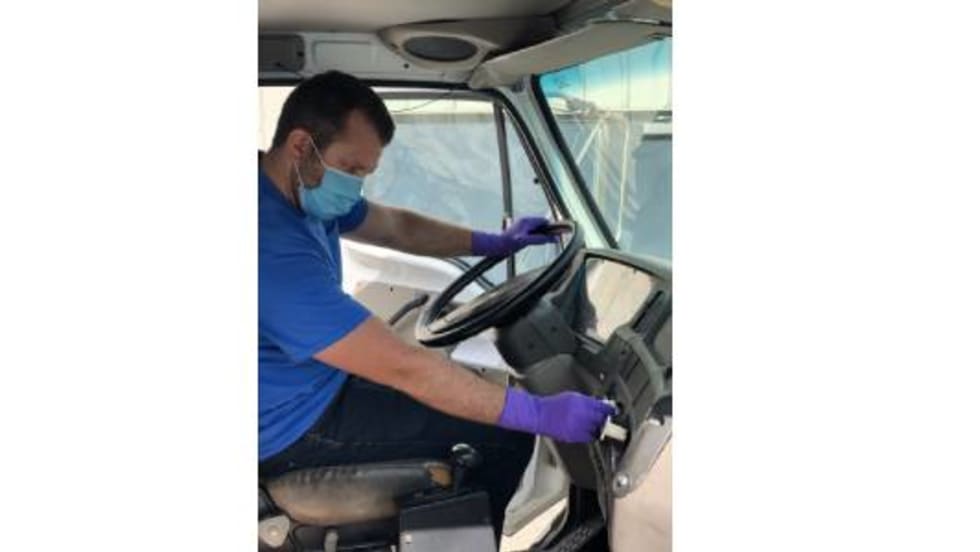
The Effect of COVID-19 on Remarketing
The onset of the pandemic put a pause on live auctions and shifted sales online. Is it a trend that’s here to stay?
Read More →