





Related: COVID-19 Fleet Response: Shop Safety, Driver Guidance, Prioritizing Vehicles
How to Clean a Coronavirus-Infected EMS Vehicle
Here are the guidelines from the Centers for Disease Control & Prevention (CDC) on how to clean an ambulance after transporting a patient suspected of having the COVID-19 virus.
April 2, 2020
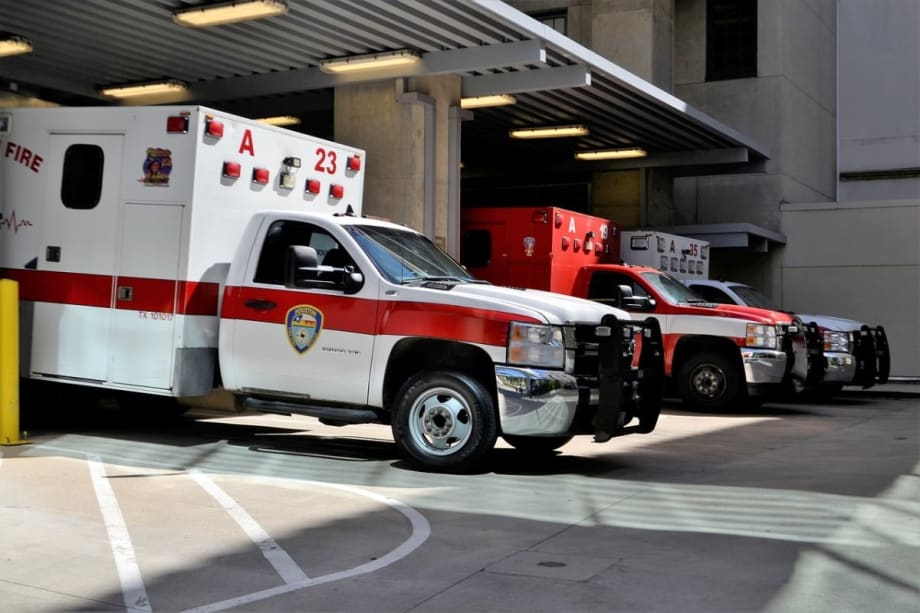
Photo via Pixabay
1 min to read
After transporting a patient suspected of having the COVID-19 virus, Emergency Medical Services (EMS) personnel need to ensure the vehicle is cleaned and disinfected. Here are the interim guidelines from the Centers for Disease Control & Prevention (CDC).
Leave the rear doors of the vehicle open to allow air flow.
When cleaning the vehicle, wear a disposable gown and gloves. A face shield or facemask and goggles should also be worn if splashes and sprays during cleaning are expected.
Follow environmental cleaning and disinfecting procedures. Keep doors open to ensure adequate ventilation.
Use routine cleaning and disinfecting procedures, such as using cleaners and water to pre-clean surfaces before applying a hospital grade disinfectant to frequently touched surfaces or objects.
Use an EPA-approved disinfectant.
Clean and disinfect the vehicle in accordance with standard operating procedures. Clean surfaces such as the stretcher, rails, control panels, floors, walls, and work surfaces.
Clean and disinfect reusable patient care equipment before using it on another patient.
Follow standard operating procedures for the containment and disposal of used personal protective equipment and regulated medical waste.
Follow standard operating procedures for containing and laundering used linen. Avoid shaking the linen.
For the full guidelines, visit the CDC site.
More Operations

Is Keeping Older Fleet Vehicles Really Saving Money?
Is keeping vehicles longer saving money, and what happens when a diagnostic test points to the wrong fix?
Read More →
How Smart Fleet Strategy Can Help Local Government Agencies Do More with Less
Keeping a vehicle longer may ease this year’s budget, but what does it cost the next one? A closer look at fleet decisions can reveal opportunities to reduce spending while protecting essential services.
Read More →
Connect with Government Fleet on LinkedIn
From industry news and fleet management strategies to conversations with peers, Government Fleet's LinkedIn page offers public-sector fleet professionals another way to stay informed and connected.
Read More →
Town of Queen Creek Named Most Successful Fleet Award Winner of Inaugural RTA Fleet Success Awards
Five fleets were honored at RTA Connect 2026 in Chicago for excellence across resource efficiency, intentional culture, risk management, and stakeholder satisfaction.
Read More →
Sponsored•October 14, 2026
A buyer's guide to fleet management software in 2027
Buying fleet management software in 2027 means looking beyond features and price. As fleet operations, technology and expectations evolve, this guide explores what today’s fleet professionals should consider when choosing a system that can deliver value now and adapt to what comes next.
Read More →
Hazard Alerts, Fleet Car Sales Rise and a New Shuttle Concept
Fleet car sales doubled, but the bigger picture tells a different story in this week’s roundup.
Read More →
How St. Johns County Turned Fleet Data Into Better Replacement Decisions
St. Johns County, Florida, had fleet data, but turning it into reliable decision guidance was another matter. Instead of starting over with a new fleet management system, the county connected existing tools and built a scoring system that gives managers an objective look at fleet health.
Read More →
Fleet Forward Conference Introduces One-Day Passes for 2026
New one-day registration lets fleet professionals attend Tuesday, Wednesday, or Thursday, with passes available for $249.
Read More →
ENC Unveils its ZAVIR Medium-Duty Shuttle
Two variants of the concept shuttles were revealed: a low-floor configuration and a high-floor configuration.
Read More →
Could Your Next Fleet Technician Start as an Intern?
What if your next technician hasn’t worked in a fleet shop yet? What fleets are doing to free up time.
Read More →