




Can Fleets Subscribe to a Vehicle?
For fleets, technology is enabling a more efficient way to use vehicles, increase utilization, and more precisely match the type of vehicle to usage.

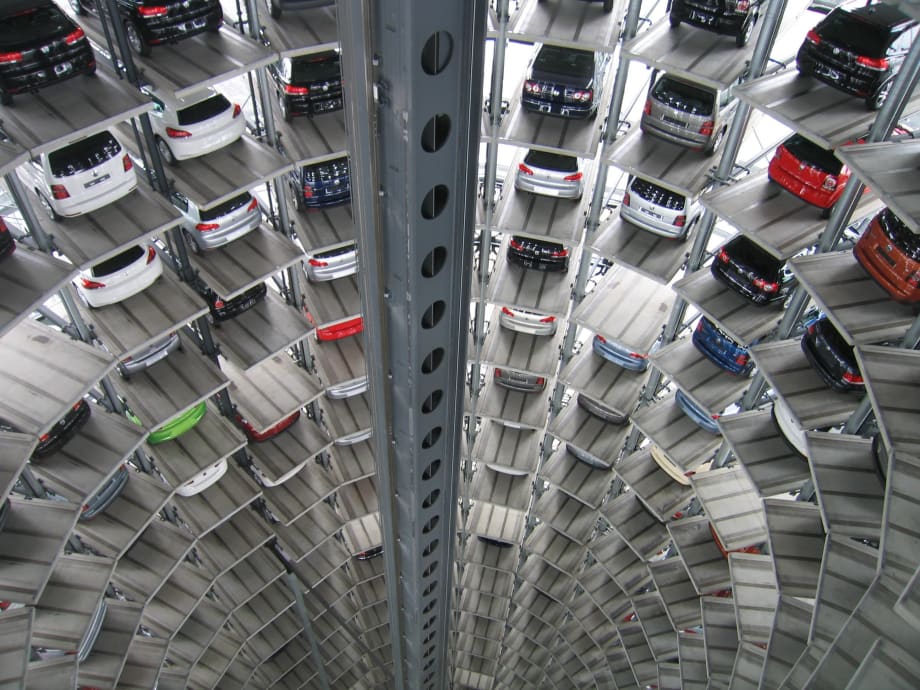
The “subscription economy” is a business trend that supplants the traditional pay-per-product model with one that offers goods and services on a subscription basis — from software and shaving blades to music and wall art — and, in our world, vehicles.
In five years, the subscription economy has grown 420% faster than U.S. retail sales, according to the Subscription Economy Index. Why? Because the model makes sense — use an asset as needed and pay only for the time you use it. (Did brides ever need to buy wedding gowns?)
In an automotive subscription service, consumers pay a flat monthly fee to be able to switch between a selection of models within a brand family or across multiple marques. The programs bundle depreciation with insurance, registration, maintenance, and even carwashes into one price.
Automakers such as General Motors, Ford, and Volvo now offer subscription-based services and third-party platforms such as YOYO and Carma. Launched in 2014, Cox Automotive’s Flexdrive program was a pioneer.
The benefits of choice and flexibility appeal to varying corners of the consumer market. But can this model work for fleets?
The subscription-service concept fits in with the broader trend away from ownership to “shared use” of an asset and mobility as a service (Maas), says Cox Automotive’s David Liniado, vice president, consumer mobility.
For fleets, technology is enabling a more efficient way to use vehicles, increase utilization, and more precisely match the type of vehicle to usage. “The benefit of flexibility applies to commercial and corporate fleets,” Liniado says. “It’s no longer about assigning one vehicle to the same person for three years, but assigning a vehicle based on the need of the moment or the week.”
The shift from ownership to shared vehicles in carshare and rideshare fleets — and ultimately autonomous fleets — is also creating a new category of fleet management. “This will bring an evolution of services and business opportunities, from acquisition, reconditioning, transportation, and vehicle remarketing,” Liniado says.
At the 2017 Fleet Forward Conference, Liniado will explain how vehicle sharing and subscription-service models will evolve to serve fleets. “We’re excited to share at the conference how these programs work, the variety of use cases, the economics behind them, and why they’re growing.”
Fleet Forward Conference, a new event, is designed to facilitate the active inclusion of fleet stakeholders in the smart mobility revolution. The inaugural Fleet Forward Conference will be held at Hilton Miami Downtown Nov. 7-8. For more information, visit www.fleetforwardconference.com.
More Operations
What Can Disappear After a Fleet Crash?
This week, we look at drone footage, what fleets should document before repairs begin, and share a quick poll.
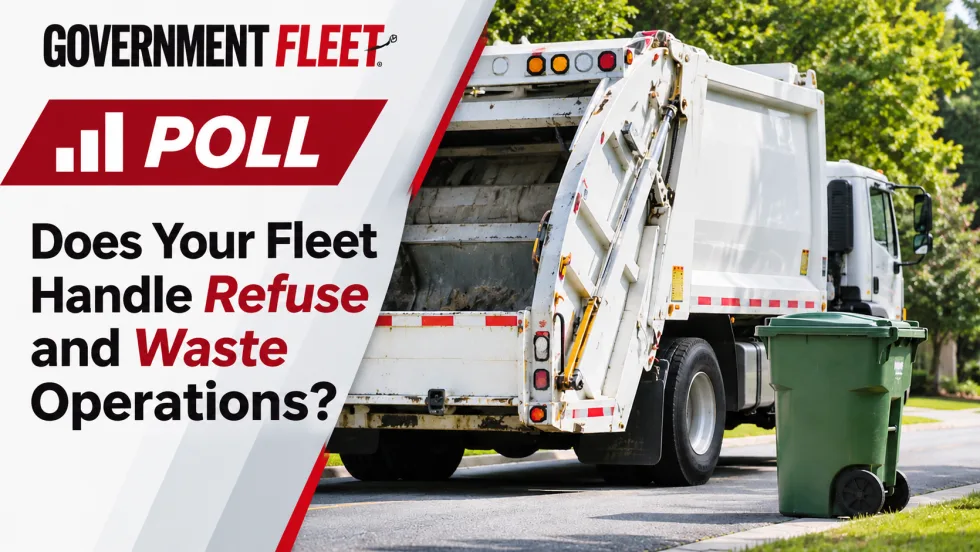
Does Your Government Fleet Handle Refuse and Waste Operations? Take Our Poll
Government Fleet wants to hear from public-sector fleet professionals about their responsibilities for refuse collection and waste management equipment.
Fleet Replacement Decisions, Waste Fleet Technology and the GFX Deadline
Is your next vehicle the right fit, can your records settle a missed pickup dispute, and what could your fleet teach others at GFX 2027?
Is Delaying Fleet Replacement Really Saving Money?
Could delaying replacement cost your fleet more than it saves? This week’s recap takes a closer look, plus an update on GFX 2027.

What Government Fleets Are Missing About Their True Costs
What are fleet budgets missing, and how can agencies use the data they already collect to make a stronger case for change?
Rethinking Fleet Decisions From the Budget Office to the Shop
This October we looked back at how public fleets are reconsidering familiar processes and using what they learn to make better decisions.
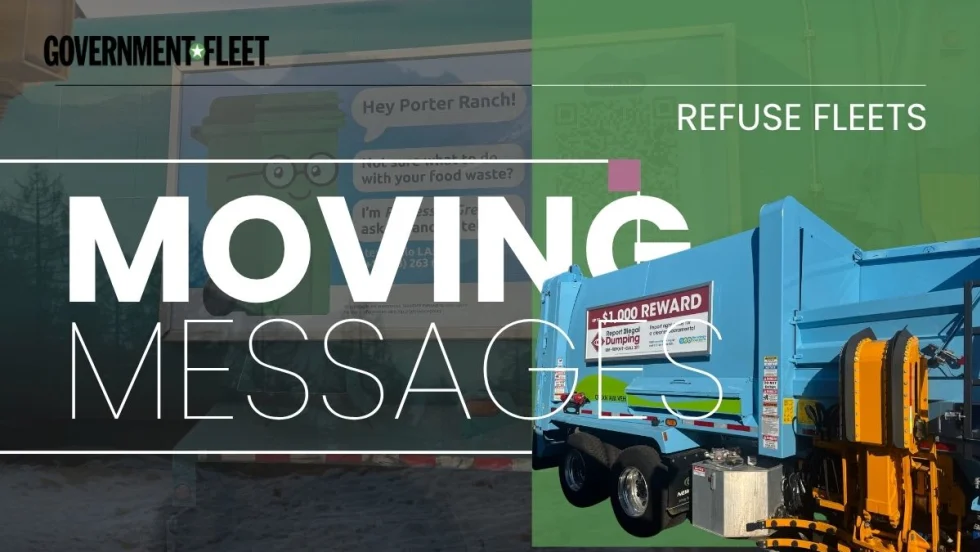
Who Owns the Message on a Refuse Truck?
Refuse trucks can carry public messages into neighborhoods, but keeping those messages current takes planning and clear responsibility.
Who Deserves Fleet Recognition and What Could You Teach at GFX?
Who helped shape your fleet career, and what have you learned that could help someone else?

What’s Haunting Public Sector Fleets?
Public sector fleet challenges rarely happen in isolation, and addressing one often means understanding how it connects to another.
Is Keeping Older Fleet Vehicles Really Saving Money?
Is keeping vehicles longer saving money, and what happens when a diagnostic test points to the wrong fix?