




ASE Introduces New Hybrid Certification
The Light Duty Hybrid/Electric Vehicle Specialist (L3) certification from the National Institute for Automotive Service Excellence (ASE) is geared toward technicians who perform diagnosis and repairs on gasoline-electric hybrids.
The National Institute for Automotive Service Excellence (ASE) introduced a new certification category for those who service gasoline-electric hybrids. The Light Duty Hybrid/Electric Vehicle Specialist (L3) is a new advanced-level certification. Technicians may register starting Dec. 1, and testing begins January 2015.
“The new Light Duty Hybrid/Electric Vehicle certification was developed in response to industry requests for an ASE certification for those servicing hybrid vehicles,” said Tim Zilke, ASE president and CEO. “The L3 is the result of years of work by industry specialists from both OEM and aftermarket segments who came together to develop a certification which encompasses a wide range of hybrid electric vehicle technology.”
Unlike other ASE Advanced Level tests, the L3 does not have a composite vehicle. Instead, the L3 Certification Test Reference is included as an electronic pop-up during the test. This document identifies the concepts for the gasoline-electric hybrid technology included in the test, and outlines the three common types of hybrid drive systems, with diagrams shown for each type. Questions in the test may refer to one of these three drive systems, and a glossary of terms is included. This ensures that technicians taking the L3 test will be able to clearly understand the questions, despite differences in how various hybrid vehicle manufacturers may use these terms.
To register for the L3 test, technicians must have passed both Automobile Electrical/Electronic Systems (A6) and Engine Performance (A8) tests. To become certified, technicians must pass the L3 test and provide evidence of three years of hands-on working experience.
Some special conditions apply to the initial L3 testing in Winter 2015. The test will have 95 questions, with a testing time of 3-1/2 hours. Technicians will not receive a score report at the test center. The passing score will be determined in the Spring, and test results will be posted to myASE by the end of May. To compensate for these conditions, technicians who take the initial L3 test between Jan. 1 and Feb. 28 will receive a $50 discount on the test fee.
Beginning in July 2015, the L3 test will contain 55 questions, technicians will have 2 hours to complete the test, and instant results will be available at the test center.
The Light Duty Hybrid/Electric Vehicle Specialist (L3) test information booklet is available at www.ase.com/l3info. It contains the task list, the L3 Certification Test Reference document, sample test questions, and training resources.
More Green Fleet
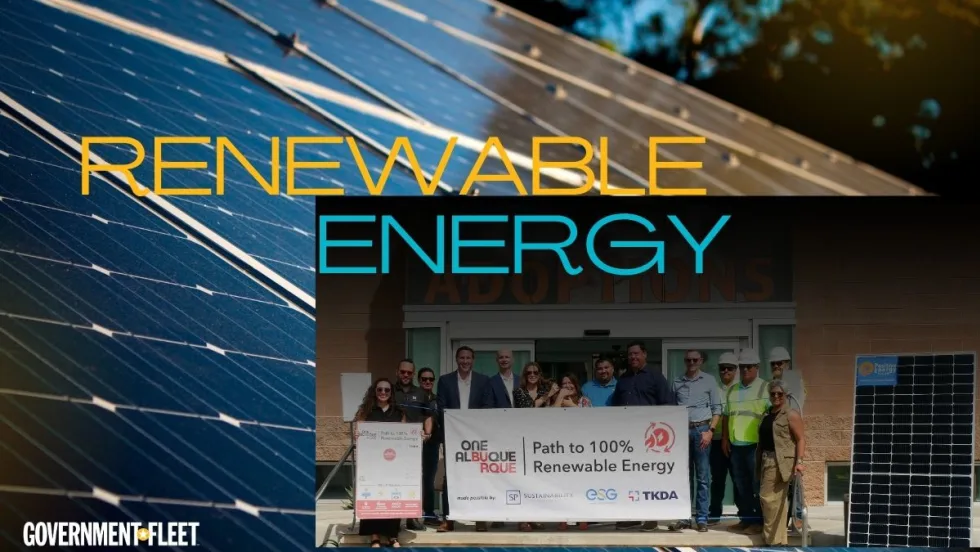
Sustainability Partners, Energy Systems Group Help Albuquerque Close the Gap on its 100% Renewable Energy Goal
The eight-site, 6 MW solar project has advanced the city toward 100% renewable energy for municipal operations.
Read More →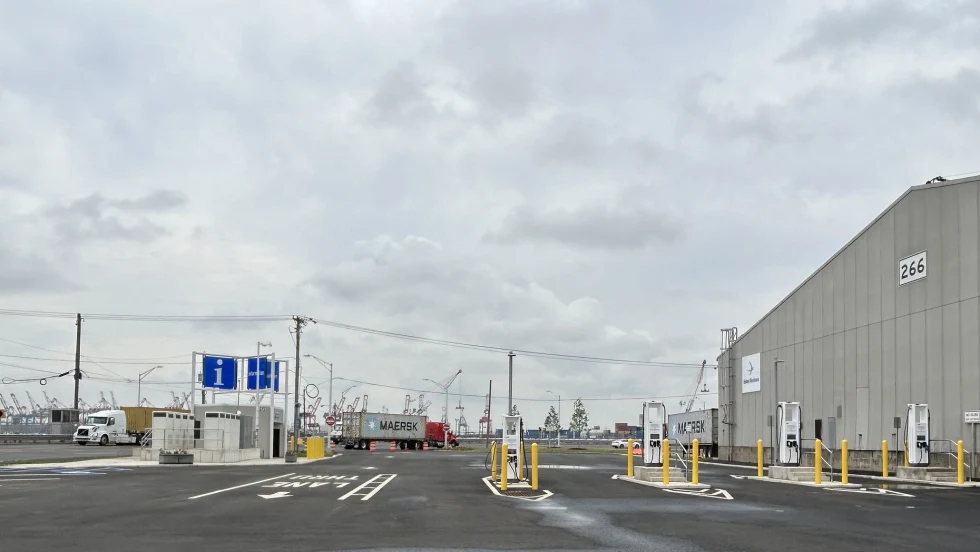
Port Authority and CALSTART Launch $45 Million Electric Truck and Charging Programs
The programs aim to boost sustainable operations across the East Coast's busiest seaport.
Read More →
Moving Government Fleets Beyond the Vehicle Purchase: EV as a Service
A discussion on how EVaaS is moving beyond pilot programs and what fleets should consider before beginning a larger deployment.
Read More →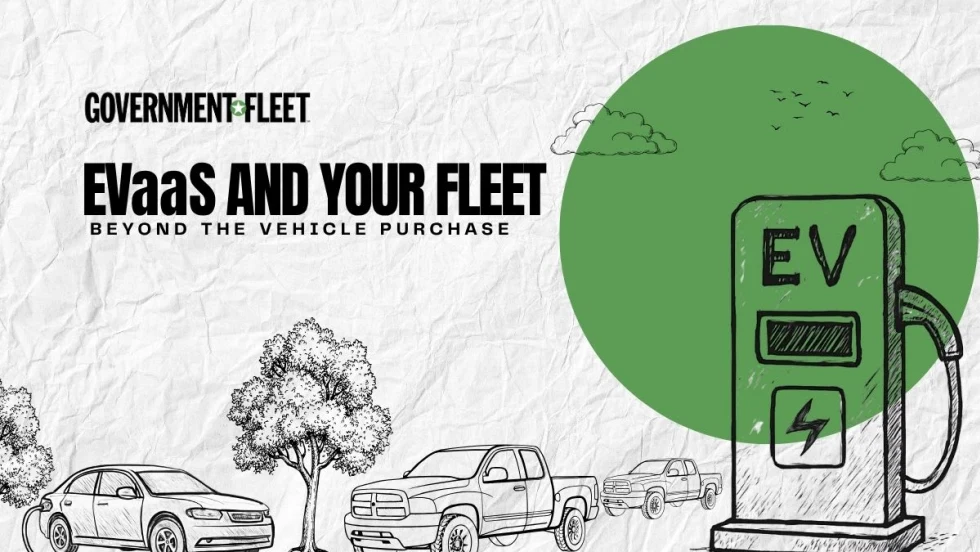
Moving Government Fleets Beyond the Vehicle Purchase: EV as a Service
As fleets move beyond small EV pilots, Sustainability Partners CEO Adam Cain explains how EVaaS can address the infrastructure and long-term planning required for larger deployments.
Read More →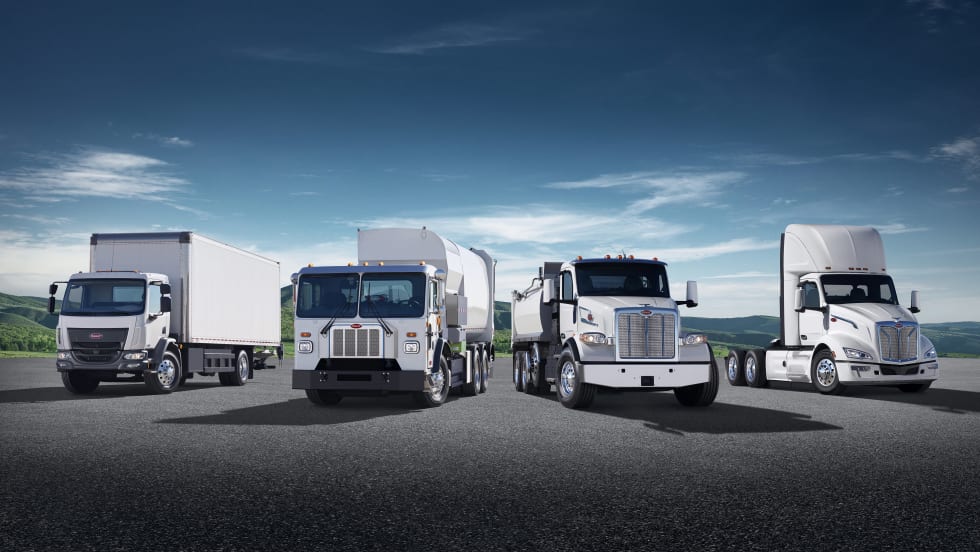
Peterbilt Expands Sourcewell Partnership with Electric Vehicle Lineup
The agreement aims to provide streamlined procurement of Peterbilt trucks for government, education, nonprofit and tribal organizations across the United States and Canada.
Read More →
EV Adoption & Charging Challenges
Where is your fleet in the journey of vehicle electrification? If you're still looking for answers to fleet electrification you've come to the right place.
Read More →
Hawaii Passes Clean Fuel Policy
Hawaii lawmakers passed clean fuel legislation that could support renewable natural gas production, biogas-powered transportation, and lower-carbon fueling options for public and commercial fleets.
Read More →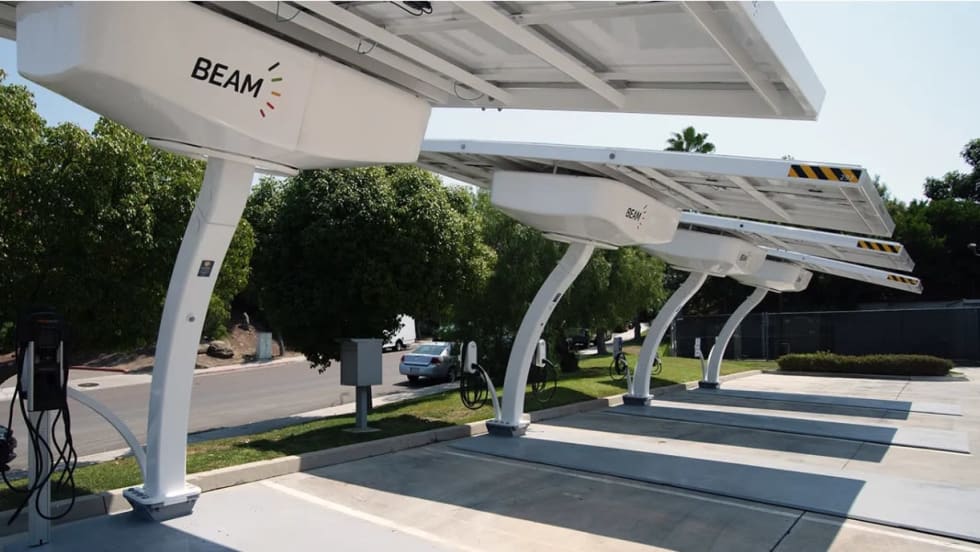
Stanislaus County Deploys Ten Beam Global EV ARC Systems to Support County Fleet Electrification
Stanislaus County deployed 10 off-grid solar-powered EV charging systems and a mobile charging trailer from Beam Global to support its electric fleet operations and emergency response flexibility.
Read More →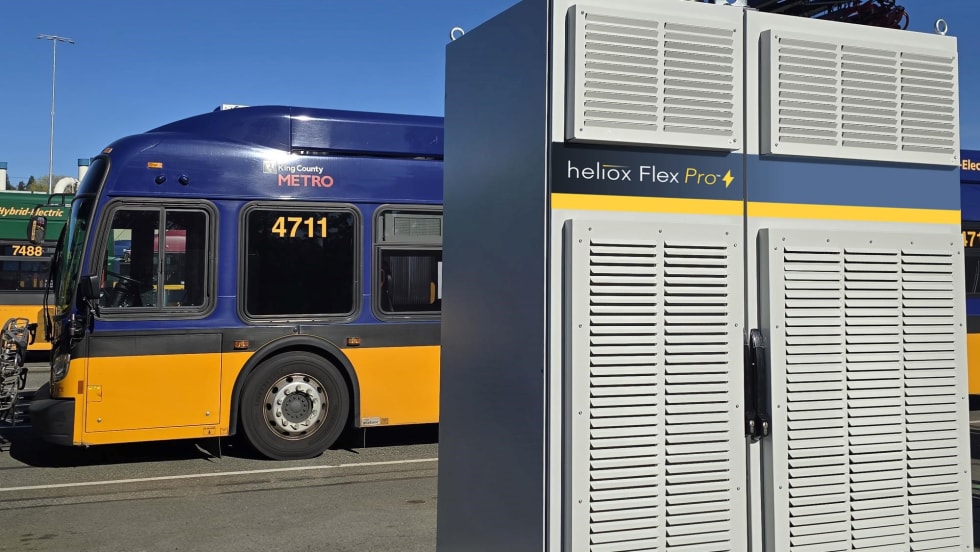
Heliox Pilots 480-kW Bus Charger with King County Metro
King County Metro is piloting Heliox’s new 480-kW Flex Pro charger to support expansion of its battery-electric bus fleet and depot charging infrastructure. The compact charging system supports pantograph and plug-in charging configurations for high-density transit operations.
Read More →